整廠通風,整廠通風設備,整廠通風工程
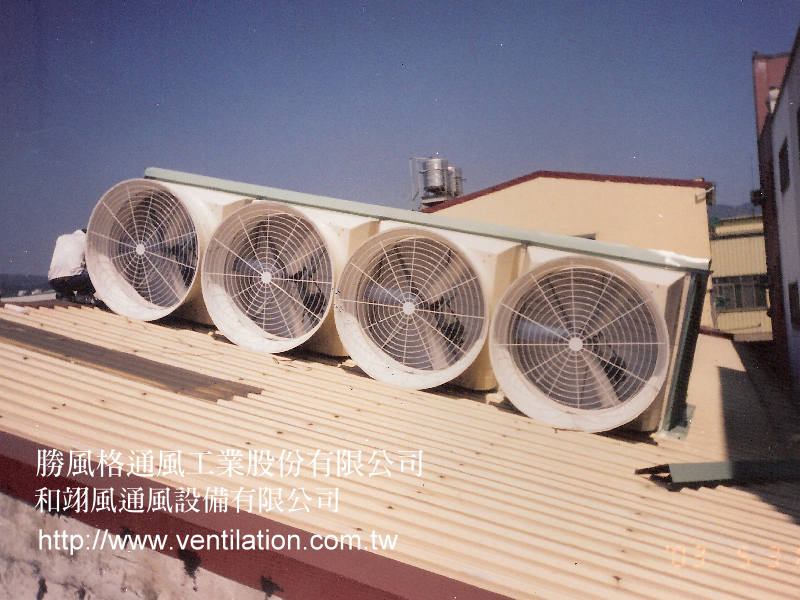 整廠通風是指在廠房內部通風循環的一種設備和工程
勝風格通風工業股份有限公司(和翊風有限公司)
免付費電話: 0800-058-985
台中市大雅區港尾路2-11號
整廠通風是指在廠房內部通風循環的一種設備和工程。它可以調節廠房內部的溫度和濕度,避免過度悶熱和潮濕,保證廠房內的工作環境安全舒適,並且有利於生產工藝的穩定和提高工作效率。
整廠通風設備一般包括大型排風扇、空調系統、風管、風機等。其中,大型排風扇是整廠通風設備的核心部件之一,其作用是通過自然或人工通風方式,把廠房內部的污濁空氣、煙塵、異味等有害氣體排放到室外,以保持廠房內部的空氣新鮮和清潔。
大型排風扇的運轉原理是依靠電機驅動葉輪旋轉,進而帶動周圍空氣的流動。在實際應用中,大型排風扇通常安裝在廠房的天花板上,並且要根據廠房的大小和工藝要求來選擇適當的風量和轉速,以保證整廠通風的效果。
除了大型排風扇,整廠通風設備還需要考慮其他因素,例如空調系統、風管、風機等。空調系統可以調節廠房內部的溫度和濕度,以達到舒適的工作環境;風管則是用來連接大型排風扇和空調系統等設備,以實現整體通風循環;風機則是用來增加通風效果,特別是在大型廠房中,風機可以使空氣更好地循環流動。
整廠通風工程的設計和實施需要考慮到多方面的因素,例如廠房的大小、形狀、使用情況、周圍環境等。設計人員需要根據這些因素來選擇合適的通風設備和設置位置,並且需要對整個通風系統進行嚴格的計算和檢測
整廠通風的設計與應用
一、整廠通風的重要性
整廠通風是指針對整個廠房或工業設施進行系統性的通風設計,確保空氣流通順暢、溫度適宜、濕度適中,並能有效排除有害氣體與污染物。良好的通風系統不僅能提升工作環境的舒適度,還能提高生產效率,降低員工因高溫或空氣品質不佳而產生的健康風險。尤其在高溫、高濕、粉塵或化學氣體濃度較高的工廠環境中,整廠通風更是維持安全與生產穩定的重要因素。
二、整廠通風的主要功能
改善空氣品質
工業生產過程中常會產生廢氣、粉塵、油煙、化學氣體等污染物,若未及時排除,可能對員工健康造成危害。整廠通風能有效降低空氣中的有害物質濃度,確保員工吸入新鮮空氣。
降低室內溫度
許多工廠因機械運作或生產過程產生大量熱能,導致內部溫度升高。透過整廠通風系統,可迅速將熱氣排出,降低溫度,減少員工因高溫而導致的疲勞與生產效率下降。
控制濕度
高濕度環境容易導致機械設備生鏽、產品品質下降,甚至影響電子零件的穩定性。整廠通風系統能幫助調節濕度,確保生產環境穩定。
減少靜電與粉塵積聚
在電子、紡織、塑膠等行業,靜電與粉塵可能影響產品品質甚至引發安全事故。良好的通風設計可減少靜電與粉塵的產生,降低火災與設備故障的風險。
提升員工健康與工作效率
良好的空氣品質與適宜的溫度能讓員工在舒適的環境下工作,減少職業病發生,提高工作效率,降低人員流失率。
三、整廠通風的設計原則
整體規劃與區域通風結合
全面通風:確保整個廠房空氣流通,避免通風死角。
局部排風:針對高污染區域,如焊接區、塗裝區、化學加工區,設計局部排氣系統,提高污染物的排除效率。
選擇適當的通風方式 根據工廠的性質與需求,選擇適合的通風方式:
自然通風:透過門窗、氣樓、屋頂風口等方式,利用風壓與熱壓作用促進空氣對流,適用於低污染、開放型廠房。
機械通風:使用風機、排氣扇、負壓風機等設備,強制空氣流動,適用於高溫、粉塵、化學氣體較多的廠房。
混合通風:結合自然通風與機械通風,提供穩定且節能的通風效果。
確保進風口與排風口合理配置
進風口應設置在新鮮空氣充足的位置,避免吸入污染空氣。
排風口應設置在污染源附近或高處,確保熱氣與污染物迅速排出。
進風與排風的比例應合理,以維持空氣流動的平衡。
適當的風量與風速設計
依據廠房的規模與人員密度,計算所需的換氣次數,確保空氣能夠在合理時間內更換。
風速應適中,避免過強導致員工不適或過弱影響通風效率。
節能與環保考量
使用高效節能風機,降低能源消耗。
搭配變頻控制系統,根據需求自動調節風量,提高能源利用效率。
若條件允許,可結合太陽能通風系統,減少碳排放。
四、整廠通風的設備選擇
排風設備
負壓風機:適用於高溫、高濕、粉塵較多的廠房,能快速抽出廢氣與熱氣。
排風扇:適用於一般通風需求,能有效促進空氣對流。
屋頂風機:利用熱壓差將熱空氣排出,適合大型廠房。
進風設備
自然進風口:透過窗戶、氣樓等方式引入新鮮空氣。
強制進風設備:如新風機、送風扇,確保空氣供應穩定。
空氣過濾設備
高效過濾網:用於電子、製藥等要求高潔淨度的產業。
活性碳過濾器:用於去除化學氣體與異味。
智能通風控制系統
安裝自動感應系統,根據溫度、濕度、空氣品質等指標,自動調整風機運行狀態,提高通風效率並降低能耗。
五、整廠通風的維護與管理
定期檢查與清潔
清理風機葉片與過濾網,確保通風設備運作正常。
定期檢查風道是否有堵塞,確保氣流暢通。
監測空氣品質
設置空氣品質監測設備,隨時掌握溫度、濕度、粉塵濃度等數據,確保環境維持在最佳狀態。
員工教育與管理
提高員工對通風系統的認識,避免阻擋進風口或排風口。
確保通風系統在工作時間正常運行,並在必要時進行調整。
六、結論
整廠通風不僅關係到工作環境的舒適度,還直接影響生產效率與安全。透過科學合理的通風設計,選擇適合的設備與技術,並進行良好的維護與管理,可以有效提升空氣品質,降低能耗,為員工提供健康舒適的工作環境。同時,未來隨著環保法規的日益嚴格,節能型與智能化的整廠通風解決方案將成為企業發展的重要趨勢。
Whole-plant ventilation refers to equipment and engineering for circulating ventilation within a factory building. It regulates the temperature and humidity inside the factory, preventing excessive heat and dampness, ensuring a safe and comfortable working environment, and contributing to stable production processes and improved efficiency.
Whole-plant ventilation equipment generally includes large exhaust fans, air conditioning systems, ductwork, and fans. Among these, the large exhaust fan is one of the core components, its function being to exhaust polluted air, smoke, odors, and other harmful gases from inside the factory to the outside through natural or artificial ventilation, maintaining fresh and clean air inside the factory.
The operating principle of a large exhaust fan relies on a motor driving an impeller to rotate, thereby causing the surrounding air to circulate. In practical applications, large exhaust fans are usually installed on the factory ceiling, and the appropriate airflow and speed must be selected based on the size of the factory and process requirements to ensure effective whole-plant ventilation.
Besides large exhaust fans, other factors need to be considered for whole-plant ventilation equipment, such as air conditioning systems, ductwork, and fans. Air conditioning systems regulate temperature and humidity within a factory to create a comfortable working environment; ductwork connects large exhaust fans and air conditioning systems to achieve overall ventilation circulation; fans enhance ventilation, especially in large factories where they improve airflow.
The design and implementation of whole-plant ventilation systems require consideration of various factors, such as the size, shape, usage, and surrounding environment of the factory. Designers must select appropriate ventilation equipment and locations based on these factors and conduct rigorous calculations and testing of the entire ventilation system.
Design and Application of Whole-Plant Ventilation
I. The Importance of Whole-Plant Ventilation
Whole-plant ventilation refers to the systematic ventilation design for the entire factory or industrial facility, ensuring smooth airflow, suitable temperature, moderate humidity, and effective removal of harmful gases and pollutants. A good ventilation system not only improves working comfort but also increases production efficiency and reduces health risks to employees caused by high temperatures or poor air quality. Especially in factory environments with high temperature, high humidity, and high concentrations of dust or chemical gases, whole-plant ventilation is a crucial factor in maintaining safety and stable production.
II. Main Functions of Whole-Plant Ventilation
**Improving Air Quality**
Industrial production processes often generate pollutants such as waste gas, dust, fumes, and chemical gases. If these are not removed promptly, they can harm employee health. Whole-plant ventilation effectively reduces the concentration of harmful substances in the air, ensuring employees breathe fresh air.
**Lowering Indoor Temperature**
Many factories generate significant heat due to machinery operation or production processes, leading to elevated internal temperatures. Whole-plant ventilation systems can quickly expel hot air, lowering the temperature and reducing employee fatigue and decreased productivity caused by high temperatures.
**Controlling Humidity**
High humidity environments can easily cause machinery to rust, degrade product quality, and even affect the stability of electronic components. Whole-plant ventilation systems help regulate humidity, ensuring a stable production environment.
**Reducing Static Electricity and Dust Accumulation**
In industries such as electronics, textiles, and plastics, static electricity and dust can affect product quality and even cause safety accidents. Good ventilation design can reduce the generation of static electricity and dust, lowering the risk of fire and equipment failure.
Improving Employee Health and Work Efficiency
Good air quality and suitable temperature allow employees to work in a comfortable environment, reducing occupational diseases, improving work efficiency, and lowering employee turnover.
III. Design Principles of Whole-Plant Ventilation
Combining Overall Planning with Regional Ventilation
General Ventilation: Ensures air circulation throughout the entire plant, avoiding dead zones.
Local Exhaust: Designs local exhaust systems for high-pollution areas, such as welding, painting, and chemical processing areas, improving pollutant removal efficiency.
Choosing the Appropriate Ventilation Method: Based on the nature and needs of the factory, select the appropriate ventilation method:
Natural Ventilation: Promotes air convection through doors, windows, louvers, roof vents, etc., utilizing wind pressure and thermal pressure. Suitable for low-pollution, open-plan plants.
Mechanical Ventilation: Uses fans, exhaust fans, negative pressure fans, etc., to force airflow. Suitable for plants with high temperatures, dust, and chemical gases.
Hybrid Ventilation: Combines natural and mechanical ventilation to provide stable and energy-efficient ventilation.
Ensure proper configuration of air inlets and outlets.
Air inlets should be located in areas with ample fresh air to avoid drawing in polluted air.
Exhaust outlets should be located near or at a high level from pollution sources to ensure rapid removal of hot air and pollutants.
The ratio of air inlets to exhaust outlets should be appropriate to maintain airflow balance.
Appropriate airflow and velocity design.
Calculate the required air exchange rate based on the factory size and personnel density to ensure air is exchanged within a reasonable timeframe.
The airflow velocity should be moderate, avoiding excessively strong velocities that cause employee discomfort or excessively weak velocities that affect ventilation efficiency.
Energy saving and environmental considerations.
Use high-efficiency energy-saving fans to reduce energy consumption.
Equip with a variable frequency control system to automatically adjust airflow according to demand, improving energy efficiency.
If conditions permit, integrate a solar-powered ventilation system to reduce carbon emissions.
IV. Equipment selection for plant-wide ventilation.
Exhaust equipment.
Negative pressure fans: Suitable for factories with high temperatures, high humidity, and high dust levels; capable of quickly extracting waste gas and hot air.
Exhaust Fans: Suitable for general ventilation needs, effectively promoting air convection.
Roof Fans: Utilize thermal pressure differences to expel hot air, suitable for large factories.
Air Intake Equipment
Natural Air Inlets: Introduce fresh air through windows, louvers, etc.
Forced Air Intake Equipment: Such as fresh air fans and supply fans, ensuring a stable air supply.
Air Filtration Equipment
High-Efficiency Particulate Air (HEPA) Filters: Used in industries requiring high cleanliness, such as electronics and pharmaceuticals.
Activated Carbon Filters: Used to remove chemical gases and odors.
Intelligent Ventilation Control System
Installing an automatic sensing system that automatically adjusts fan operation based on temperature, humidity, air quality, and other indicators, improving ventilation efficiency and reducing energy consumption.
V. Maintenance and Management of Plant-wide Ventilation
Regular Inspection and Cleaning
Clean fan blades and filters to ensure proper ventilation equipment operation.
Regularly check air ducts for blockages to ensure unobstructed airflow.
Air Quality Monitoring
Establish air quality monitoring equipment to continuously monitor data such as temperature, humidity, and dust concentration, ensuring the environment remains at its optimal state.
Employee Education and Management
Improve employees' understanding of the ventilation system and prevent them from obstructing air inlets or outlets.
Ensure the ventilation system operates normally during working hours and make adjustments as necessary.
VI. Conclusion
Plant-wide ventilation not only affects the comfort of the working environment but also directly impacts production efficiency and safety. Through scientifically designed ventilation systems, the selection of suitable equipment and technologies, and proper maintenance and management, air quality can be effectively improved, energy consumption reduced, and a healthy and comfortable working environment provided for employees. Furthermore, with increasingly stringent environmental regulations in the future, energy-efficient and intelligent plant-wide ventilation solutions will become an important trend for enterprise development.