屋頂抽風機, 工廠屋頂抽風機, 廠房屋頂抽風機
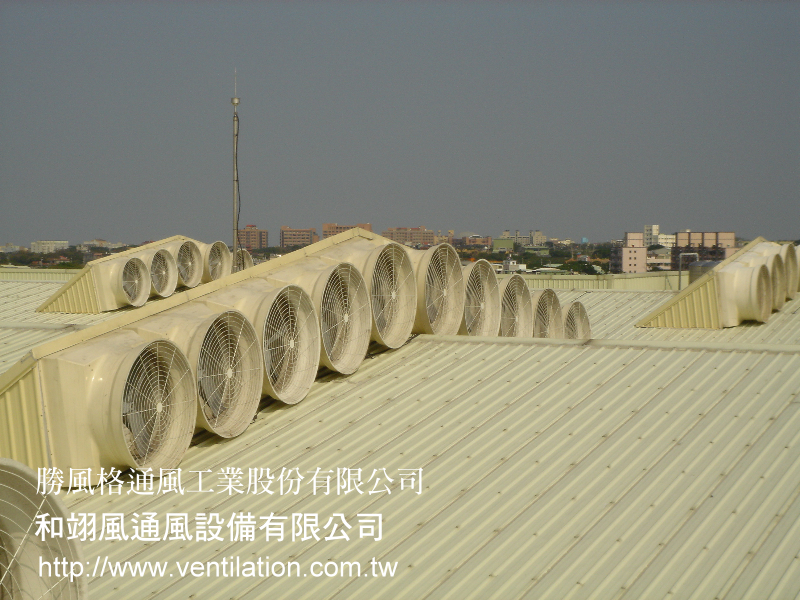 使用屋頂抽風機還可以改善空氣質量
勝風格通風工業股份有限公司(和翊風有限公司)
免付費電話: 0800-058-985
台中市大雅區港尾路2-11號
在現今的工廠或廠房中,通常都會安裝屋頂抽風機。這些抽風機是專門用來排出工廠內的煙霧、灰塵、熱氣等廢氣,以及保持室內空氣流通,降低室內溫度,增加員工工作的舒適度。接下來,本文將介紹屋頂抽風機的原理和使用效益。
屋頂抽風機的原理是利用自然風力和熱力學原理,將室內的熱空氣排出去,進而降低室內溫度。在機器內部,它會透過旋轉的風扇將熱空氣吸入,然後排出去。同時,屋頂抽風機也可以將室內的空氣從上方吸入,從而保持空氣的流通性,防止室內氧氣不足。
除了提供舒適的工作環境外,屋頂抽風機還有許多其他的好處。首先,它可以幫助降低工廠的能源消耗,因為當室內溫度過高時,通常需要開啟冷氣或風扇來維持室內溫度,這樣會消耗更多的能源。使用抽風機可以減少這些能源的使用,降低能源成本。
其次,使用屋頂抽風機還可以改善空氣質量。當工廠內部有許多機器運轉時,通常會產生大量的粉塵和廢氣,這些物質對員工的健康和工作環境都有不良的影響。使用抽風機可以有效地排出這些廢氣和粉塵,保持室內空氣的清新和健康。
屋頂抽風機:建築物的呼吸器官
屋頂抽風機,這個常被人們忽視的建築設備,實則是現代建築中不可或缺的"呼吸器官"。它不僅僅是一個簡單的通風裝置,更是維繫建築物內部空氣流通、調節室內環境的重要系統。在建築節能與環境永續發展的趨勢下,屋頂抽風機的重要性日益凸顯。
一、屋頂抽風機的技術特點
屋頂抽風機的運作原理基於空氣對流與負壓原理。通過葉輪的高速旋轉,在建築物頂部形成負壓區,將室內污濁空氣排出,同時引入新鮮空氣,形成自然通風循環。這種物理原理的應用,既節能又環保。
現代屋頂抽風機採用先進的結構設計,包括防雨帽、導流罩、減震底座等部件,確保設備在各種氣候條件下都能穩定運作。優質的防水設計可抵禦強風暴雨,特殊塗層處理能抵抗紫外線侵蝕,延長使用壽命。
在性能指標方面,現代屋頂抽風機注重風量、噪音、能耗的平衡。高效率馬達的應用使能耗降低30%以上,特殊葉輪設計將噪音控制在50分貝以下,同時保持每小時2000立方米以上的排風量。
二、屋頂抽風機的應用價值
在工業廠房中,屋頂抽風機是維持生產環境的重要設備。它能有效排除生產過程中產生的熱氣、粉塵、有害氣體,確保工作環境的安全與舒適。特別是在鋼鐵、化工、紡織等行業,大型屋頂抽風系統更是不可或缺。
商業建築中的屋頂抽風機主要用於改善室內空氣品質。購物中心、體育場館、展覽館等大型公共空間,都需要依靠屋頂抽風機來維持空氣流通,調節室內溫度,為人們提供舒適的活動環境。
在環保節能方面,屋頂抽風機發揮著重要作用。它能夠減少空調系統的使用時間,降低建築能耗。據統計,合理使用屋頂抽風機可節省建築物30%以上的空調能耗,顯著減少碳排放。
三、屋頂抽風機的未來發展
智能化控制是屋頂抽風機發展的重要方向。未來的屋頂抽風機將配備智能感應系統,能夠根據室內外溫濕度、空氣品質等參數自動調節運轉速度,實現精準控制。部分先進機型已能與建築物管理系統無縫對接,實現遠程監控與管理。
在節能技術方面,新型屋頂抽風機將採用更高效的永磁馬達,結合太陽能供電技術,進一步降低能耗。熱能回收系統的應用,可將排出空氣中的熱量回收利用,提升整體能源效率。
特殊環境應用將是未來發展的重點。針對高溫、高濕、腐蝕性環境開發的專用屋頂抽風機,將在更多特殊行業得到應用。防爆型、耐高溫型、防腐蝕型等特種屋頂抽風機的研發,將擴大其應用範圍。
屋頂抽風機作為建築物的"呼吸器官",在現代建築環境中扮演著越來越重要的角色。從工業廠房到商業建築,從傳統製造到智能控制,屋頂抽風機的發展歷程見證了建築通風技術的進步。展望未來,隨著節能環保要求的提高和智能化技術的發展,屋頂抽風機將繼續創新,以更高效、更智能、更環保的方式服務於建築環境控制領域。在追求永續發展的今天,選擇合適的屋頂抽風機系統,不僅是改善建築環境的必要之舉,更是踐行環保理念的具體行動。
屋頂抽風機的功能與應用
一、屋頂抽風機的概念與重要性
屋頂抽風機是一種安裝在建築屋頂上的通風設備,主要作用是透過負壓或動力機械方式將室內的熱氣、濕氣、粉塵及污染物排出,促進空氣流通,保持環境舒適與安全。這類設備廣泛應用於工業廠房、倉庫、商業建築、養殖場及地下空間,確保良好的換氣效果,降低高溫與有害氣體對人體的影響。
在現代建築與工業生產環境中,良好的通風系統是提升工作效率、減少職業病、確保產品品質的重要因素。特別是在高溫、粉塵濃度高、或產生有害氣體的環境中,屋頂抽風機可有效改善空氣品質,降低設備運行成本,並符合節能環保標準。
二、屋頂抽風機的主要功能
排出熱氣與降低室內溫度
在炎熱的環境中,如金屬加工廠、塑膠製造廠等,機械運轉會產生大量熱能,屋頂抽風機能夠快速排出熱氣,使室內保持較低的溫度,提高員工舒適度。
在夏季,高溫環境會影響生產效率,屋頂抽風機可減少悶熱問題,降低空調運行負荷,節省能源成本。
改善空氣品質,排出有害氣體
在工廠、實驗室、化學加工場等場所,經常會產生廢氣、煙霧與粉塵,若無法有效排除,可能影響員工健康甚至危害安全。屋頂抽風機能夠迅速將有害氣體排出,保持工作空間清新。
控制濕度,防止霉變與腐蝕
在潮濕環境,如食品加工廠、紡織廠、倉儲空間等,若濕氣過高,可能導致霉菌生長、金屬生鏽、設備損壞。透過屋頂抽風機的持續換氣,可降低空氣濕度,防止霉變與腐蝕。
減少粉塵與靜電累積
在木工廠、陶瓷廠、紡織廠等容易產生粉塵的場所,粉塵長時間積累可能影響生產設備,甚至引發爆炸風險。屋頂抽風機能夠持續排出粉塵,確保安全與產品品質。
節能環保,降低能源成本
屋頂抽風機能減少空調與機械降溫設備的負擔,降低電力消耗,特別是使用自然通風或太陽能驅動的型號,更能有效節約能源,符合環保趨勢。
三、屋頂抽風機的類型
根據不同的應用需求,屋頂抽風機可分為以下幾種類型:
自然通風型屋頂抽風機
透過風壓與熱壓作用,利用自然風將熱氣與廢氣排出,無需用電,運行成本低。
適用於溫度較低、污染較輕的環境,如倉庫、農場、學校等。
動力型屋頂抽風機(機械式)
內建電動風扇,強制將室內空氣排出,換氣效果顯著,適用於高溫、高污染的工業場所,如金屬加工廠、食品廠等。
風量可調,確保換氣效率穩定,適合大面積空間。
太陽能屋頂抽風機
透過太陽能板供電,白天可運行而無需使用市電,節省能源,減少碳排放。
適合於遠離電網的地區,如農場、野外倉庫等,亦可用於環保建築設計。
離心式屋頂抽風機
具高風壓與長距離排氣能力,適用於需要長距離輸送廢氣的建築,如地下停車場、實驗室等。
配合空氣過濾設備使用,可提升空氣品質。
四、如何選擇適合的屋頂抽風機
根據空間大小與換氣需求選擇適當風量
計算廠房或倉庫的體積,確保換氣次數符合標準(一般工業場所建議10~30次/小時)。
例如,5000立方米的空間,每小時換氣10次,則所需風量為50000立方米/小時。
選擇適合的安裝位置
屋頂抽風機應安裝於熱氣與廢氣最易累積的位置,確保排氣順暢,避免短路氣流影響換氣效果。
可搭配牆壁進風口與其他通風設備,提高空氣循環效率。
考量設備的耐用性與運行穩定性
在潮濕或高溫環境,應選擇耐腐蝕材質(如不鏽鋼、鋁合金等)的機型,以延長設備壽命。
運行噪音低的設計較適合人員密集的場所,如辦公樓、學校等。
能源效率與智能控制選項
變頻控制型屋頂抽風機可根據環境條件自動調整風速,降低能源消耗。
搭載智能感測器的機型可依據溫度、濕度或空氣品質變化自動啟動,提高能源效率。
Roof exhaust fans are commonly installed in modern factories and workshops. These fans are specifically designed to remove fumes, dust, and hot air from the factory, maintain indoor air circulation, lower indoor temperature, and increase employee comfort. This article will introduce the principles and benefits of roof exhaust fans.
The principle of a roof exhaust fan is to utilize natural wind and thermodynamics to expel hot air from the room, thereby lowering the indoor temperature. Inside the machine, a rotating fan draws in hot air and then expels it. Simultaneously, the roof exhaust fan also draws in air from above, maintaining air circulation and preventing insufficient oxygen levels.
Besides providing a comfortable working environment, roof exhaust fans offer many other benefits. First, they help reduce factory energy consumption. When indoor temperatures are too high, air conditioning or fans are typically needed to maintain the temperature, consuming more energy. Using exhaust fans reduces this energy usage, lowering energy costs.
Second, using roof exhaust fans also improves air quality. When many machines are operating inside a factory, they typically generate large amounts of dust and exhaust fumes, which negatively impact employee health and the working environment. Using exhaust fans can effectively remove these fumes and dust, maintaining fresh and healthy indoor air.
Roof Exhaust Fans: The Respiratory Organs of Buildings
Roof exhaust fans, often overlooked building equipment, are actually indispensable "respiratory organs" in modern buildings. They are not merely simple ventilation devices, but crucial systems for maintaining air circulation and regulating the indoor environment. With the trend towards energy conservation and environmental sustainability in buildings, the importance of roof exhaust fans is increasingly prominent.
I. Technical Characteristics of Roof Exhaust Fans
The operating principle of roof exhaust fans is based on air convection and negative pressure. Through the high-speed rotation of the impeller, a negative pressure zone is created at the top of the building, expelling stale indoor air while simultaneously introducing fresh air, forming a natural ventilation cycle. This application of physical principles is both energy-saving and environmentally friendly.
Modern roof exhaust fans employ advanced structural designs, including rain caps, air deflectors, and shock-absorbing bases, ensuring stable operation under various climatic conditions. Superior waterproof design withstands strong winds and rain, while a special coating resists UV damage, extending service life.
In terms of performance, modern roof exhaust fans prioritize a balance between airflow, noise, and energy consumption. The use of high-efficiency motors reduces energy consumption by over 30%, and a special impeller design keeps noise below 50 decibels while maintaining an exhaust volume of over 2000 cubic meters per hour.
II. Application Value of Roof Exhaust Fans
In industrial plants, roof exhaust fans are crucial for maintaining a safe production environment. They effectively remove heat, dust, and harmful gases generated during production, ensuring a safe and comfortable working environment. Large-scale roof exhaust systems are indispensable, especially in industries such as steel, chemicals, and textiles.
In commercial buildings, roof exhaust fans are primarily used to improve indoor air quality. Shopping malls, stadiums, exhibition halls, and other large public spaces rely on roof exhaust fans to maintain air circulation, regulate indoor temperature, and provide a comfortable environment for people.
In terms of environmental protection and energy conservation, roof exhaust fans play a vital role. They reduce the operating time of air conditioning systems and lower building energy consumption. Statistics show that the proper use of rooftop exhaust fans can save more than 30% of a building's air conditioning energy consumption and significantly reduce carbon emissions.
III. Future Development of Rooftop Exhaust Fans
Intelligent control is a key direction for the development of rooftop exhaust fans. Future rooftop exhaust fans will be equipped with intelligent sensing systems that can automatically adjust their operating speed based on parameters such as indoor and outdoor temperature, humidity, and air quality, achieving precise control. Some advanced models can already seamlessly integrate with building management systems, enabling remote monitoring and management.
In terms of energy-saving technology, new rooftop exhaust fans will adopt more efficient permanent magnet motors, combined with solar power technology, to further reduce energy consumption. The application of heat recovery systems can recover and utilize heat from the exhaust air, improving overall energy efficiency.
Special environment applications will be a focus of future development. Specialized rooftop exhaust fans developed for high-temperature, high-humidity, and corrosive environments will be applied in more specialized industries. The development of explosion-proof, high-temperature resistant, and corrosion-resistant special rooftop exhaust fans will expand their application range.
As the "breathing organs" of buildings, rooftop exhaust fans play an increasingly important role in the modern building environment. From industrial plants to commercial buildings, from traditional manufacturing to intelligent control, the development of roof exhaust fans has witnessed the progress of building ventilation technology. Looking to the future, with increasing demands for energy conservation and environmental protection and the development of intelligent technologies, roof exhaust fans will continue to innovate, serving the field of building environmental control in a more efficient, intelligent, and environmentally friendly way. In today's pursuit of sustainable development, choosing a suitable roof exhaust fan system is not only a necessary step to improve the building environment but also a concrete action to practice environmental protection principles.
Functions and Applications of Roof Exhaust Fans
I. Concept and Importance of Roof Exhaust Fans
A roof exhaust fan is a ventilation device installed on the roof of a building. Its main function is to remove indoor heat, moisture, dust, and pollutants through negative pressure or mechanical means, promoting air circulation and maintaining a comfortable and safe environment. This type of equipment is widely used in industrial plants, warehouses, commercial buildings, farms, and underground spaces to ensure good ventilation and reduce the impact of high temperatures and harmful gases on human health.
In modern building and industrial production environments, a good ventilation system is a crucial factor in improving work efficiency, reducing occupational diseases, and ensuring product quality. Especially in environments with high temperatures, high dust concentrations, or those producing harmful gases, rooftop exhaust fans can effectively improve air quality, reduce equipment operating costs, and meet energy-saving and environmental protection standards.
II. Main Functions of Rooftop Exhaust Fans
1. Exhausting Hot Air and Reducing Indoor Temperature
In hot environments, such as metal processing plants and plastic manufacturing plants, the operation of machinery generates a large amount of heat. Rooftop exhaust fans can quickly exhaust this hot air, maintaining a lower indoor temperature and improving employee comfort.
In summer, high temperatures can affect production efficiency. Rooftop exhaust fans can reduce stuffiness, lower the load on air conditioning systems, and save energy costs.
2. Improving Air Quality and Exhausting Harmful Gases
In factories, laboratories, chemical processing plants, and other similar locations, exhaust gases, fumes, and dust are frequently generated. If these cannot be effectively removed, they may affect employee health and even endanger safety. Rooftop exhaust fans can quickly exhaust harmful gases, keeping the workspace fresh.
Controlling Humidity to Prevent Mold and Corrosion
In humid environments such as food processing plants, textile mills, and warehouses, excessive moisture can lead to mold growth, metal rusting, and equipment damage. Continuous ventilation through roof exhaust fans reduces air humidity, preventing mold and corrosion.
Reducing Dust and Static Electricity Accumulation
In dust-prone areas such as woodworking factories, ceramic factories, and textile mills, prolonged dust accumulation can affect production equipment and even pose an explosion risk. Roof exhaust fans continuously remove dust, ensuring safety and product quality.
Energy Saving and Environmental Protection, Reducing Energy Costs
Roof exhaust fans reduce the burden on air conditioning and mechanical cooling equipment, lowering electricity consumption. Models using natural ventilation or solar power are particularly effective at saving energy, aligning with environmental trends.
III. Types of Roof Exhaust Fans
Based on different application needs, roof exhaust fans can be divided into the following types:
Natural Ventilation Roof Exhaust Fans
Through wind pressure and thermal pressure, these fans utilize natural wind to expel hot and exhaust gases. No electricity is required, resulting in low operating costs.
Suitable for environments with lower temperatures and less pollution, such as warehouses, farms, and schools.
**Mechanical Roof Exhaust Fan**
Built with a built-in electric fan, it forcibly exhausts indoor air, providing significant ventilation. Suitable for high-temperature, high-pollution industrial environments, such as metal processing plants and food factories.
Adjustable airflow ensures stable ventilation efficiency, suitable for large spaces.
**Solar-Powered Roof Exhaust Fan**
Powered by solar panels, it can operate during the day without mains electricity, saving energy and reducing carbon emissions.
Suitable for areas far from the power grid, such as farms and outdoor warehouses, and can also be used in environmentally friendly building designs.
**Centrifugal Roof Exhaust Fan**
Features high air pressure and long-distance exhaust capacity, suitable for buildings requiring long-distance exhaust gas transport, such as underground parking lots and laboratories.
Used with air filtration equipment, it can improve air quality.
IV. How to Choose a Suitable Rooftop Ventilation Fan
Select the appropriate airflow based on space size and ventilation requirements.
Calculate the volume of the factory or warehouse to ensure the air exchange rate meets standards (generally 10-30 times/hour is recommended for industrial sites).
For example, for a 5000 cubic meter space requiring 10 air exchanges per hour, the required airflow is 50,000 cubic meters/hour.
Choose a suitable installation location.
The rooftop ventilation fan should be installed in the location where hot and exhaust gases are most likely to accumulate, ensuring smooth exhaust and avoiding short-circuit airflow that could affect ventilation efficiency.
It can be combined with wall-mounted air inlets and other ventilation equipment to improve air circulation efficiency.
Consider the durability and operational stability of the equipment.
In humid or high-temperature environments, choose models made of corrosion-resistant materials (such as stainless steel, aluminum alloy, etc.) to extend the equipment's lifespan.
A low-noise design is more suitable for densely populated areas, such as office buildings and schools.
Energy Efficiency and Smart Control Options
Variable frequency drive (VFD) roof ventilators automatically adjust fan speed based on environmental conditions, reducing energy consumption.
Models equipped with smart sensors can automatically activate based on changes in temperature, humidity, or air quality, improving energy efficiency.