通風設備,工廠通風設備,廠房通風設備,負壓通風設備,整廠通風設備
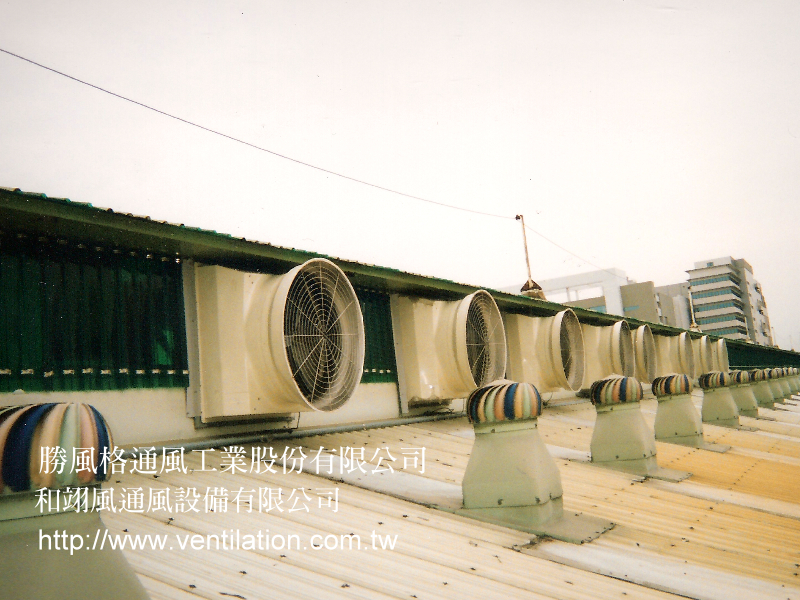 通風設備是指廠房內安裝的一系列排風機、通風管道、進風口等設備,用於維持廠房內部的空氣流通,以達到調節溫度、降低濕度、排除有害氣體等目的。
勝風格通風工業股份有限公司(和翊風有限公司)
免付費電話: 0800-058-985
台中市大雅區港尾路2-11號
通風設備是指廠房內安裝的一系列排風機、通風管道、進風口等設備,用於維持廠房內部的空氣流通,以達到調節溫度、降低濕度、排除有害氣體等目的。
工廠通風設備、廠房通風設備、負壓通風設備、整廠通風設備都是通風設備的不同種類,具體使用方式和功能也有所不同。
其中,工廠通風設備是指廠房中的通風系統,包括進風系統和排風系統,用於控制廠房的空氣流動和排出廠房內的熱氣、濕氣、有害氣體等。
廠房通風設備則是指在廠房中安裝的通風設備,包括排風機、通風管道、進風口等,用於保持廠房內部的空氣流通,以維持廠房的正常運轉。
負壓通風設備則是指在廠房中建立負壓區域,將空氣自高壓區域流向低壓區域,達到排出廠房內有害氣體的目的。
整廠通風設備則是指廠房中所有的通風設備的總稱,包括進風系統、排風系統、通風管道、風機等,用於維持整個廠房內部的空氣流通,以達到降溫、除濕、排除有害氣體等目的
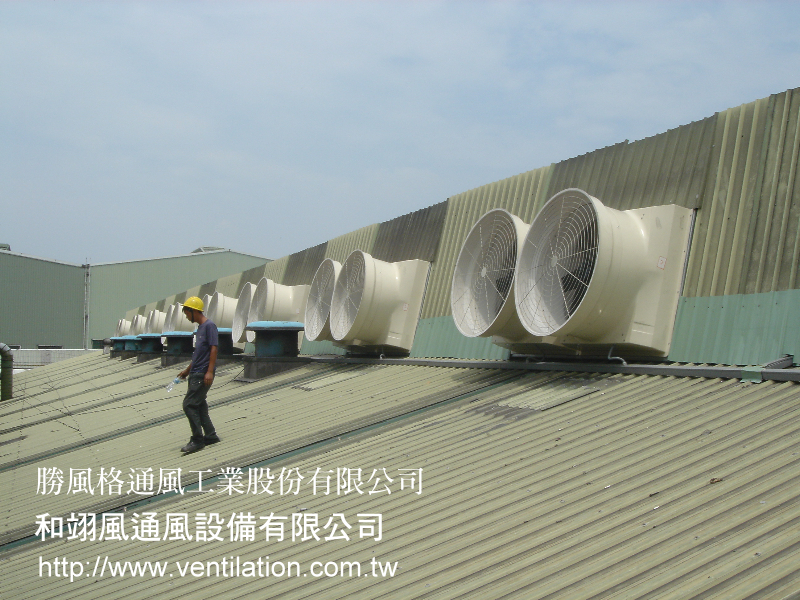 通風設備是一種用於調節室內空氣流通的設備 通風設備是一種用於調節室內空氣流通的設備。通風設備的好處如下:
改善室內空氣質量:通風設備可以幫助排除室內的有害氣體、異味、煙霧等污染物,讓室內空氣更加新鮮、清潔,有助於改善人們的呼吸環境。
調節室內溫度和濕度:通風設備可以通過調節室內空氣流通,降低室內溫度和濕度,緩解夏季炎熱和潮濕的問題,提供更加舒適的室內環境。
防止建築物損壞:通風設備可以幫助控制室內溫度和濕度,防止建築物出現潮濕、霉變等問題,保護建築物結構和裝修材料的完整性和壽命。
提高工作效率:通風設備可以幫助調節室內溫度和濕度,提供更加舒適的工作環境,提高工作效率和工作品質。
節能環保:通風設備可以幫助控制室內溫度和濕度,降低能源消耗,減少對環境的影響,是一種節能環保的設備。
總之,通風設備對於人們的健康、室內環境的舒適度、建築物的保護和工作效率的提高等方面都具有非常重要的作用,是現代建築中必不可少的一部分。
通風設備是現代建築中必不可少的一部分,用於調節室內空氣流通,改善室內空氣質量,調節室內溫度和濕度,防止建築物損壞,提高工作效率,節能環保等方面都具有非常重要的作用。
在選擇通風設備時,需要考慮設備的類型、功率、噪音、使用壽命等多個方面。常見的通風設備包括排風扇、空氣清新機、空調系統等。不同的設備適用於不同的場所和需求,可以根據實際需要選擇適合的設備。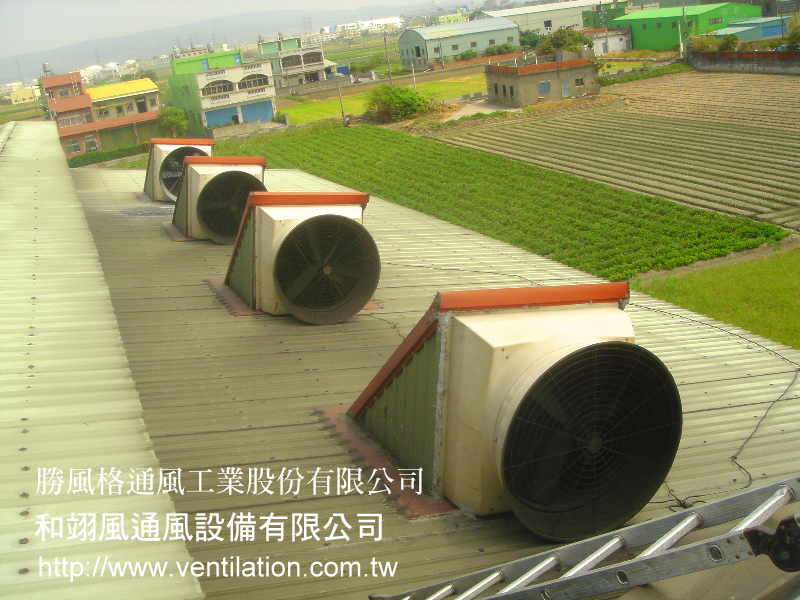 通風設備是現代建築中必不可少的一部分
排風扇是一種常見的通風設備,通常安裝在室內或室外牆壁上,可以通過排風管道將室內的污染物和熱氣排出室外,實現室內空氣流通和更新。排風扇有多種類型,包括噪音低、效果好、節能環保等優點。空氣清新機是另一種通風設備,可以通過空氣濾網、紫外線殺菌等方式,去除室內的異味和有害氣體,提供更加清新的空氣環境。
空調系統是一種更為複雜的通風設備,通常包括室內機、室外機、管道等組件。空調系統可以通過調節室內溫度和濕度,提供更加舒適的室內環境。不同的空調系統有不同的類型和規格,可以根據實際需求選擇適合的設備。
總之,通風設備在現代建築中具有非常重要的作用,可以改善室內空氣質量,提高工作效率,防止建築物損壞,節能環保等。在選擇通風設備時,需要考慮設備的類型、功率、噪音、使用壽命等多個方面,並根據實際需求選擇適合的設備
通風設備的功用簡介:
1. 通風設備可以有效地排除室內空氣中的污染物和濕氣,維持室內空氣品質。
是的,通風設備可以利用氣流將室內的污染物和濕氣排出,同時引進新鮮空氣,從而維持室內空氣品質。這對於室內的健康和舒適度都非常重要,特別是在密閉空間中,通風設備更是必不可少的。通風系統可以有效地避免室內空氣污染,如揮發性有機物、甲醛、氮氧化物等物質,從而保護人們的健康。同時,通風設備還可以排出室內濕氣,防止潮濕和霉菌滋生,進一步提高室內環境品質。
2. 通風設備可以調節室內的溫度和濕度,提高舒適度。
通風設備在排出室內空氣的同時,也可以調節室內的溫度和濕度,從而提高室內環境的舒適度。通風設備可以根據室內的溫度和濕度情況,調整進風和排風的量和速度,以達到室內溫度和濕度的調節。這對於在不同季節和天氣條件下,保持室內的適宜溫度和濕度,提供一個舒適的工作或生活環境,非常重要。此外,通風設備還可以利用新鮮空氣來降低室內的空氣溫度,從而降低使用空調的需求,達到節能減排的效果。
3. 通風設備可以減少室內空氣中的細菌和病毒,有利於健康。
是的,通風設備可以有效地減少室內空氣中的細菌和病毒,從而有利於人們的健康。通風設備可以通過氣流將室內的污染物和有害物質排出,同時引入新鮮空氣,使得室內空氣更加清新,從而減少室內病原體的傳播和生長。特別是在當今疫情的背景下,通風設備的作用更加顯著,能夠減少室內病毒的擴散和感染風險。因此,定期清洗和維護通風設備,保持其正常運行,對於維護室內空氣品質和保障人們的健康,非常重要。
4. 通風設備可以避免室內潮濕和霉菌滋生,保護建築結構。
是的,通風設備可以避免室內潮濕和霉菌滋生,保護建築結構。室內潮濕是建築物內部常見的問題之一,容易導致霉菌滋生,從而對室內環境和建築結構造成損害。通風設備可以利用氣流將濕氣排出,同時引入新鮮空氣,從而降低室內濕度,避免潮濕和霉菌的滋生。這樣可以保護建築結構和室內裝飾的質量,延長建築物的使用壽命。同時,通風設備還可以調節室內的溫度和濕度,從而提高室內環境的舒適度,進一步保護建築物的使用價值。
5. 通風設備可以增加室內的氧氣含量,改善室內環境。
通風設備可以增加室內的氧氣含量,從而改善室內環境。室內空氣如果長時間不流通,就容易造成氧氣不足的情況,對人體的健康和警覺度產生負面影響。通風設備可以通過引進新鮮空氣,增加室內的氧氣含量,從而改善室內的空氣品質和人們的健康狀況。特別是在高密度的辦公場所和公共區域,通風設備的作用更加明顯,可以避免人員長時間在空氣不良的環境中,從而減少健康風險。
6. 通風設備可以有效地控制室內空氣流動,避免氣流不流通造成的不適感。
通風設備可以有效地控制室內空氣流動,從而避免氣流不流通造成的不適感。當室內空氣流通不良時,會使空氣中的污染物、異味等物質集中在室內,造成人員的不適感和健康問題。通風設備可以利用氣流的控制,使室內空氣均勻流通,從而避免不適感和健康問題的產生。通風系統可以根據室內環境的需要,調整進風和排風的量和速度,從而保持室內的空氣流通和品質。同時,通風設備還可以避免冷熱不均和濕度不均等情況的產生,提高室內環境的舒適度。
7. 通風設備可以提高室內的安全性,防止室內氣體濃度過高。
通風設備可以提高室內的安全性,防止室內氣體濃度過高。當室內空氣中的氣體濃度過高時,可能會對人員的健康和安全造成危害,甚至引發爆炸或火災等危險。通風設備可以通過氣流的控制和調節,將室內的有害氣體排出,同時引入新鮮空氣,從而降低室內氣體濃度,保護人員的健康和安全。此外,通風設備還可以在發生火災或爆炸等意外情況時,通過排煙和排熱,避免火災或爆炸的擴散和危害,提高室內的安全性。
8. 通風設備可以降低室內空氣中的二氧化碳含量,提高室內人員的工作效率和學習效果。
通風設備可以降低室內空氣中的二氧化碳含量,提高室內人員的工作效率和學習效果。當室內空氣中二氧化碳含量過高時,可能會導致人員感到昏昏欲睡、頭痛、噁心等不適症狀,進而影響工作和學習效率。通風設備可以通過將室內空氣排出,引入新鮮空氣,從而降低室內空氣中二氧化碳的濃度,提高室內空氣品質,進而提高人員的工作效率和學習效果。研究顯示,保持室內空氣新鮮、清潔,可以提高人員的專注力和思考能力,進而提高工作效率和學習效果。因此,通風設備的適當運行和維護,對於提高室內環境品質和人員的健康和效率,非常重要。
9. 通風設備可以降低室內空氣中的甲醛和苯等有害物質含量,減少對人體的危害。
通風設備可以降低室內空氣中的甲醛、苯等有害物質的含量,從而減少對人體的危害。甲醛、苯等有害物質是室內裝修和傢俱中常見的污染物質,長期暴露在這些物質中可能會對人體的健康造成危害。通風設備可以通過氣流的控制和調節,將室內的污染物質排出,同時引入新鮮空氣,從而降低室內有害物質的含量,減少對人體的危害。特別是在新裝修的室內空間,通風設備的作用更加重要,可以幫助室內有害物質的揮發和淨化,保護人員的健康和安全。因此,通風設備的適當運行和維護,對於維護室內空氣品質和保障人員的健康,非常重要。
10. 通風設備可以減少室內的異味,改善室內空氣質量。
通風設備可以減少室內的異味,從而改善室內空氣質量。室內的異味可能來自各種污染物質,如甲醛、苯等有害物質、煙霧、畜禽等,長時間暴露在這些異味中,容易對人體的健康造成危害。通風設備可以利用氣流將室內的污染物質排出,同時引入新鮮空氣,從而降低室內異味的濃度,改善室內空氣品質。此外,通風設備還可以利用過濾器將室內空氣中的微粒子和污染物質過濾掉,進一步提高室內空氣品質。因此,通風設備的適當運行和維護,對於改善室內環境品質和保障人員的健康,非常重要。
11. 通風設備可以提高建築物的能源效率,節能減排。
通風設備可以提高建築物的能源效率,從而節能減排。在室內空氣流通的過程中,通風設備可以將室內的熱量和濕度排出,同時引入新鮮空氣,從而達到調節室內溫度和濕度的效果。這樣可以降低室內空調和加熱系統的負荷,從而減少能源的消耗和碳排放量。此外,通風設備還可以通過設置能量回收系統,將室內空氣中的熱量和濕度回收利用,進一步提高能源的利用效率,減少能源的浪費和排放。因此,通風設備的適當運行和維護,對於提高建築物的能源效率、實現節能減排,非常重要。
12. 通風設備可以降低室內噪音,提高室內環境的舒適度。
通風設備可以降低室內噪音,提高室內環境的舒適度。噪音是室內環境中常見的干擾因素之一,容易對人員的健康和心理造成影響。通風設備可以選用低噪音的風機和靜音設計,從而降低室內噪音的水平,提高室內環境的舒適度。通風系統的噪音控制可以從以下方面實現:選用低噪音的風機、減少風管和配件的阻力、選用吸音板等吸音材料、加裝噪音降低器等。此外,通風設備還可以通過調節氣流量和氣流速度,達到平衡空氣流通和降低噪音的效果。因此,通風設備的噪音控制對於提高室內環境品質和人員的舒適度,非常重要。
13. 通風設備可以提高室內空氣的均勻度,避免冷熱不均和濕度不均的情況。
通風設備可以提高室內空氣的均勻度,避免冷熱不均和濕度不均的情況。當室內空氣流通不良時,容易出現冷熱不均和濕度不均的情況,進而影響人員的舒適度和健康。通風設備可以利用氣流的控制,使室內空氣均勻流通,從而避免冷熱不均和濕度不均的情況。通風系統可以根據室內環境的需要,調整進風和排風的量和速度,從而保持室內的空氣流通和品質。同時,通風設備還可以在冬季利用熱回收系統,回收室內排出的熱量,減少能源的浪費和碳排放量,進一步提高室內空氣的均勻度和舒適度。因此,通風設備的適當運行和維護,對於提高室內環境品質和人員的舒適度,非常重要。
14. 通風設備可以根據室內人員的需要進行靈活的調節,滿足不同的使用需求。
是的,通風設備可以根據室內人員的需要進行靈活的調節,滿足不同的使用需求。通風系統可以根據室內環境和人員的需求,靈活調節進風和排風的量和速度,從而滿足不同的使用需求。例如,在人員密集的辦公場所和會議室中,通風系統可以增加進風量和氣流速度,以保持空氣的新鮮和舒適。在夜間或閑置時,通風系統可以降低進風量和氣流速度,節省能源和運行成本。此外,通風系統還可以根據室內溫度、濕度、CO2濃度等參數進行自動調節,從而實現自動化運行和管理。因此,通風設備的靈活性和自動化程度對於滿足不同的使用需求和提高運行效率,非常重要。
15. 通風設備可以提高建築物的整體價值和使用價值,增加房產的競爭力。
通風設備可以提高建築物的整體價值和使用價值,增加房產的競爭力。良好的通風系統可以提高建築物的環境品質和舒適度,從而增加建築物的使用價值。同時,通風系統還可以提高建築物的能源效率,減少能源的消耗和碳排放量,從而提高建築物的經濟價值。一個良好的通風系統,可以讓建築物的居住者感受到更加舒適和健康的室內環境,進而增加建築物的競爭力。此外,通風系統還可以提高建築物的可持續性和環保性,符合現代社會對於綠色建築和可持續發展的需求,從而提高建築物的整體價值。因此,通風設備的適當運行和維護,對於提高建築物的整體價值和使用價值,非常重要。
Ventilation equipment refers to a series of exhaust fans, ventilation ducts, air inlets, and other equipment installed in a factory building to maintain air circulation within the building, thereby regulating temperature, reducing humidity, and removing harmful gases.
Factory ventilation equipment, plant ventilation equipment, negative pressure ventilation equipment, and whole-plant ventilation equipment are all different types of ventilation equipment, with varying specific uses and functions.
Factory ventilation equipment refers to the ventilation system within a factory building, including air intake and exhaust systems, used to control airflow and remove hot, humid, and harmful gases.
Plant ventilation equipment refers to the ventilation equipment installed in a factory building, including exhaust fans, ventilation ducts, and air inlets, used to maintain air circulation within the building to ensure its normal operation.
Negative pressure ventilation equipment creates a negative pressure area within the factory building, directing air from high-pressure areas to low-pressure areas to remove harmful gases.
Plant ventilation equipment refers to all ventilation equipment within a factory building, including air intake systems, exhaust systems, ventilation ducts, and fans. It is used to maintain air circulation throughout the factory to achieve purposes such as cooling, dehumidification, and removal of harmful gases.
Ventilation equipment is a device used to regulate indoor air circulation. The benefits of ventilation equipment are as follows:
Improving indoor air quality: Ventilation equipment helps remove harmful gases, odors, smoke, and other pollutants from indoor spaces, making the air fresher and cleaner, thus improving the breathing environment.
Regulating indoor temperature and humidity: By regulating indoor air circulation, ventilation equipment can lower indoor temperature and humidity, alleviating the problems of heat and humidity in summer and providing a more comfortable indoor environment.
Preventing building damage: Ventilation equipment helps control indoor temperature and humidity, preventing problems such as dampness and mold growth in buildings, protecting the integrity and lifespan of building structures and decoration materials.
Improving work efficiency: Ventilation equipment helps regulate indoor temperature and humidity, providing a more comfortable working environment and improving work efficiency and quality.
Energy Saving and Environmental Protection: Ventilation equipment helps control indoor temperature and humidity, reducing energy consumption and minimizing environmental impact, making it an energy-saving and environmentally friendly device.
In short, ventilation equipment plays a vital role in people's health, indoor environmental comfort, building protection, and improved work efficiency, making it an indispensable part of modern buildings.
Ventilation equipment is an essential component of modern buildings, used to regulate indoor air circulation, improve indoor air quality, regulate indoor temperature and humidity, prevent building damage, improve work efficiency, and contribute to energy conservation and environmental protection.
When selecting ventilation equipment, factors such as equipment type, power, noise level, and lifespan need to be considered. Common ventilation equipment includes exhaust fans, air purifiers, and air conditioning systems. Different equipment is suitable for different locations and needs; appropriate equipment can be selected based on actual requirements. Ventilation equipment is an indispensable part of modern buildings.
Exhaust fans are a common type of ventilation equipment, typically installed on indoor or outdoor walls. They use exhaust ducts to expel indoor pollutants and heat to the outside, achieving indoor air circulation and renewal. Exhaust fans come in various types, offering advantages such as low noise, high efficiency, and energy saving. Air purifiers are another type of ventilation equipment that removes odors and harmful gases from indoor air through air filters and ultraviolet sterilization, providing a fresher air environment.
Air conditioning systems are a more complex type of ventilation equipment, typically including indoor units, outdoor units, and ductwork. Air conditioning systems regulate indoor temperature and humidity to provide a more comfortable indoor environment. Different air conditioning systems have different types and specifications, and the appropriate equipment can be selected based on actual needs.
In short, ventilation equipment plays a vital role in modern buildings, improving indoor air quality, increasing work efficiency, preventing building damage, and contributing to energy conservation and environmental protection. When selecting ventilation equipment, it is necessary to consider factors such as the type, power, noise level, and lifespan of the equipment, and choose the appropriate equipment based on actual needs.
Brief introduction to the functions of ventilation equipment:
1. Ventilation equipment can effectively remove pollutants and moisture from indoor air, maintaining indoor air quality.
Yes, ventilation equipment uses airflow to expel indoor pollutants and moisture while introducing fresh air, thereby maintaining indoor air quality. This is crucial for indoor health and comfort, especially in enclosed spaces where ventilation equipment is indispensable. 1. Ventilation systems can effectively prevent indoor air pollution, such as volatile organic compounds (VOCs), formaldehyde, and nitrogen oxides, thus protecting people's health. Simultaneously, ventilation equipment can remove indoor moisture, preventing dampness and mold growth, further improving the quality of the indoor environment.
2. Ventilation equipment can regulate indoor temperature and humidity, improving comfort.
While exhausting indoor air, ventilation equipment can also regulate indoor temperature and humidity, thereby improving the comfort of the indoor environment. Ventilation equipment can adjust the volume and speed of air intake and exhaust according to indoor temperature and humidity conditions to achieve regulation. This is crucial for maintaining suitable indoor temperature and humidity under different seasons and weather conditions, providing a comfortable working or living environment. Furthermore, ventilation equipment can utilize fresh air to lower indoor air temperature, thereby reducing the need for air conditioning and achieving energy conservation and emission reduction.
3. Ventilation equipment can reduce bacteria and viruses in indoor air, which is beneficial to health.
Yes, ventilation equipment can effectively reduce bacteria and viruses in indoor air, thus benefiting people's health. Ventilation equipment uses airflow to expel indoor pollutants and harmful substances while introducing fresh air, making indoor air fresher and reducing the spread and growth of indoor pathogens. Especially in the context of the current pandemic, the role of ventilation equipment is even more significant, reducing the spread of viruses and the risk of infection indoors. Therefore, regularly cleaning and maintaining ventilation equipment to ensure its proper operation is crucial for maintaining indoor air quality and protecting people's health.
4. Ventilation equipment can prevent indoor dampness and mold growth, protecting the building structure.
Yes, ventilation equipment can prevent indoor dampness and mold growth, protecting the building structure. Indoor dampness is one of the common problems inside buildings, easily leading to mold growth, which damages the indoor environment and building structure. Ventilation equipment uses airflow to expel moisture while introducing fresh air, thereby reducing indoor humidity and preventing the growth of dampness and mold. This protects the quality of the building structure and interior decoration, extending the building's lifespan. At the same time, ventilation equipment can also regulate indoor temperature and humidity, thereby improving indoor environmental comfort and further protecting the building's usability.
5. Ventilation equipment can increase indoor oxygen content and improve the indoor environment.
Ventilation equipment increases indoor oxygen levels, thus improving the indoor environment. If indoor air remains stagnant for extended periods, oxygen deficiency can occur, negatively impacting health and alertness. Ventilation equipment introduces fresh air, increasing oxygen levels and improving air quality and health. This is especially beneficial in high-density office spaces and public areas, preventing prolonged exposure to poorly ventilated environments and reducing health risks.
6. Ventilation equipment effectively controls indoor airflow, preventing discomfort caused by poor air circulation.
When indoor air circulation is poor, pollutants and odors accumulate, causing discomfort and health problems. Ventilation equipment controls airflow to ensure even air distribution, preventing discomfort and health issues. Ventilation systems can adjust the volume and speed of incoming and outgoing air to maintain air circulation and quality. Meanwhile, ventilation equipment can also prevent uneven heating and cooling, as well as uneven humidity, thus improving the comfort of the indoor environment.
7. Ventilation equipment can improve indoor safety and prevent excessively high indoor gas concentrations.
Ventilation equipment can improve indoor safety and prevent excessively high indoor gas concentrations. When the concentration of gases in indoor air is too high, it may harm the health and safety of people, and even cause dangers such as explosions or fires. Ventilation equipment can control and regulate airflow to expel harmful gases from the room while introducing fresh air, thereby reducing the indoor gas concentration and protecting the health and safety of people. In addition, in the event of a fire or explosion, ventilation equipment can also prevent the spread and damage of the fire or explosion by removing smoke and heat, thus improving indoor safety.
8. Ventilation equipment can reduce the carbon dioxide content in indoor air, improving the work efficiency and learning effectiveness of people indoors.
Ventilation equipment can reduce the carbon dioxide content in indoor air, improving the work efficiency and learning effectiveness of people indoors. When the carbon dioxide content in indoor air is too high, it may cause people to feel drowsy, have headaches, nausea, and other discomfort symptoms, thus affecting work and learning efficiency. Ventilation equipment reduces indoor carbon dioxide concentration and improves indoor air quality by expelling indoor air and introducing fresh air, thereby enhancing work efficiency and learning outcomes. Studies show that maintaining fresh and clean indoor air can improve concentration and thinking ability, further boosting work efficiency and learning outcomes. Therefore, proper operation and maintenance of ventilation equipment are crucial for improving indoor environmental quality and the health and efficiency of individuals.
9. Ventilation equipment can reduce the levels of harmful substances such as formaldehyde and benzene in indoor air, minimizing their harm to human health.
Ventilation equipment can reduce the levels of harmful substances such as formaldehyde and benzene in indoor air, thereby minimizing their harm to human health. Formaldehyde, benzene, and other harmful substances are common pollutants in interior decoration and furniture; long-term exposure to these substances can harm human health. Ventilation equipment, through airflow control and regulation, expels indoor pollutants while introducing fresh air, thus reducing the levels of harmful substances and minimizing their harm to human health. The role of ventilation equipment is particularly important in newly renovated indoor spaces, as it helps to evaporate and purify harmful substances, protecting the health and safety of people. Therefore, the proper operation and maintenance of ventilation equipment is crucial for maintaining indoor air quality and protecting the health of people.
10. Ventilation equipment can reduce indoor odors and improve indoor air quality.
Ventilation equipment can reduce indoor odors, thereby improving indoor air quality. Indoor odors may come from various pollutants, such as formaldehyde, benzene, smoke, and livestock odors. Prolonged exposure to these odors can easily harm human health. Ventilation equipment uses airflow to expel indoor pollutants while introducing fresh air, thereby reducing the concentration of indoor odors and improving indoor air quality. Furthermore, ventilation equipment can use filters to remove particulate matter and pollutants from indoor air, further improving indoor air quality. Therefore, the proper operation and maintenance of ventilation equipment is crucial for improving indoor environmental quality and protecting the health of people.
11. Ventilation equipment can improve the energy efficiency of buildings, thus saving energy and reducing emissions.
Ventilation equipment can improve the energy efficiency of buildings, thereby saving energy and reducing emissions. During indoor air circulation, ventilation equipment can expel indoor heat and humidity while introducing fresh air, thereby regulating indoor temperature and humidity. This reduces the load on indoor air conditioning and heating systems, thereby reducing energy consumption and carbon emissions. Furthermore, ventilation equipment can also recover heat and humidity from indoor air through energy recovery systems, further improving energy efficiency and reducing energy waste and emissions. Therefore, proper operation and maintenance of ventilation equipment are crucial for improving building energy efficiency and achieving energy conservation and emission reduction.
12. Ventilation equipment can reduce indoor noise and improve indoor environmental comfort.
Noise is a common disturbance in indoor environments, easily affecting people's health and mental well-being. Ventilation equipment can use low-noise fans and quiet designs to reduce indoor noise levels and improve indoor environmental comfort. Noise control of ventilation systems can be achieved through: selecting low-noise fans, reducing the resistance of ducts and fittings, using sound-absorbing materials such as sound-absorbing panels, and installing noise reducers. In addition, ventilation equipment can also balance airflow and reduce noise by adjusting air volume and air velocity. Therefore, noise control of ventilation equipment is very important for improving indoor environmental quality and people's comfort. 13. Ventilation equipment can improve the uniformity of indoor air, preventing uneven heating and cooling, and uneven humidity.
Ventilation equipment can improve the uniformity of indoor air, preventing uneven heating and cooling, and uneven humidity. When indoor air circulation is poor, uneven heating and cooling, and uneven humidity can easily occur, thus affecting the comfort and health of people. Ventilation equipment can control airflow to ensure uniform indoor air circulation, thereby preventing uneven heating and cooling, and uneven humidity. Ventilation systems can adjust the volume and speed of intake and exhaust air according to the needs of the indoor environment, thereby maintaining indoor air circulation and quality. At the same time, ventilation equipment can also utilize heat recovery systems in winter to recover heat exhausted from the room, reducing energy waste and carbon emissions, further improving the uniformity and comfort of indoor air. Therefore, the proper operation and maintenance of ventilation equipment is very important for improving indoor environmental quality and the comfort of people.
14. Ventilation equipment can be flexibly adjusted according to the needs of people in the room to meet different usage requirements.
Yes, ventilation equipment can be flexibly adjusted according to the needs of people in the room to meet different usage requirements. Ventilation systems can flexibly adjust the volume and speed of air intake and exhaust according to the indoor environment and the needs of occupants, thus meeting diverse usage requirements. For example, in densely populated offices and conference rooms, ventilation systems can increase air intake and airflow velocity to maintain fresh and comfortable air. At night or when idle, ventilation systems can reduce air intake and airflow velocity, saving energy and operating costs. Furthermore, ventilation systems can automatically adjust based on parameters such as indoor temperature, humidity, and CO2 concentration, achieving automated operation and management. Therefore, the flexibility and automation level of ventilation equipment are crucial for meeting diverse usage needs and improving operational efficiency.
15. Ventilation equipment can enhance the overall value and usability of a building, increasing the competitiveness of the property.