In modern society, indoor air quality is crucial to people's health and comfort. Especially in enclosed spaces such as homes, offices, shopping malls, and factories, air quality is often limited, easily leading to problems like stuffiness and humidity. Ventilation fans, as a common type of ventilation equipment, can effectively improve indoor air quality and enhance comfort. This article will explore the types, principles, functions, and applications of ventilation fans in various fields.
I. Types of Ventilation Fans
Household Fans: Household fans generally include table fans, floor fans, and ceiling fans. Primarily used in homes, they provide localized or general ventilation, improving indoor air circulation.
Industrial Fans: Industrial fans typically have larger airflow and speed, suitable for large spaces such as factories and warehouses. They can quickly remove indoor heat and pollutants, maintaining fresh air.
Office Fans: Office fans are usually designed for desktops or floors, providing localized ventilation to help office workers improve work efficiency and comfort.
Ceiling Fans: Ceiling fans are installed on indoor ceilings and are commonly used in shopping malls, hotels, conference halls, etc. They provide comprehensive ventilation, improving indoor air quality.
II. The Principle of Ventilation Fans
Ventilation fans work by using the airflow generated by rotating blades to expel hot air and pollutants from the room while simultaneously introducing fresh air, thus circulating and refreshing the indoor air. Ventilation fans can regulate indoor temperature, humidity, and airflow speed through different settings and operating modes, providing a comfortable indoor environment.
III. Functions of Ventilation Fans
**Provides Ventilation:** Ventilation fans quickly remove hot air, moisture, and pollutants from the room, keeping the indoor air fresh and improving air quality.
**Regulates Indoor Temperature:** Ventilation fans can regulate indoor temperature by controlling airflow speed and volume, reducing the feeling of heat and providing a comfortable living and working environment.
**Reduces Air Pollution:** Ventilation fans remove harmful gases, dust, and volatile organic compounds from the room, reducing air pollution and protecting people's health.
**Promotes Air Circulation:** Through continuous operation, ventilation fans promote indoor air circulation, preventing air stagnation and accumulation, and keeping the air fresh.
IV. Applications of Ventilation Fans in Different Areas
**Homes:** In homes, ventilation fans are mainly used in living rooms, bedrooms, kitchens, and other areas to provide a comfortable living environment.
Office Spaces: In offices, ventilation fans can improve work efficiency and reduce employee fatigue and stress.
Industrial Spaces: In factories, warehouses, and other similar locations, ventilation fans help remove indoor heat and pollutants, improving production efficiency.
Commercial Spaces: In shopping malls, hotels, conference halls, and other similar locations, ventilation fans provide a comfortable environment, attracting customers and increasing customer satisfaction.
V. Conclusion
As a common ventilation device, ventilation fans play an important role in improving indoor air quality, regulating temperature and humidity, and enhancing comfort. With continuous technological advancements, the performance and functionality of ventilation fans are constantly improving, continuing to provide people with a healthier and more comfortable living and working environment.
Ventilation fans are a widely used ventilation device suitable for various locations and environments. Here are ten common applications of ventilation fans:
Homes: Home ventilation fans can be placed in living rooms, bedrooms, kitchens, etc., providing comfortable indoor air circulation, lowering temperature, and improving the living environment.
Offices: Office ventilation fans are typically placed on desks or the floor, helping to improve work efficiency and reduce office worker fatigue.
Factories: In factories and workshops, ventilation fans are used to remove heat, dust, and harmful gases generated during production, maintaining a clean and comfortable working environment.
Shopping Malls: Shopping malls typically have high foot traffic and open spaces; ventilation fans help promote air circulation, keep the air fresh, and enhance the shopping experience.
Restaurants: In restaurants, ventilation fans help remove kitchen smoke and odors, improving the comfort and hygiene of the dining environment.
Schools: In school classrooms, auditoriums, and other similar spaces, ventilation fans provide a comfortable learning and teaching environment, helping students and staff improve work efficiency.
Hospitals: In hospitals, ventilation fans remove pollutants and odors from wards and operating rooms, keeping indoor air fresh and improving patient comfort and recovery speed.
Hotels: In hotel rooms and lobbies, ventilation fans provide a comfortable accommodation environment, helping guests enjoy rest and relaxation.
Gyms: In gymnasiums, ventilation fans provide a comfortable environment for athletes and spectators, helping to remove indoor heat and sweat.
Farms: In farmhouses, greenhouses, and other facilities, ventilation fans are used to regulate indoor temperature and humidity, providing a favorable growing environment and promoting crop and livestock production.
Title: Factory Ventilation Fans: Key Equipment for Improving Production Environment Quality and Work Efficiency
Introduction:
Factories are important production and manufacturing sites, and a good production environment is crucial for improving worker efficiency and ensuring production quality. Ventilation equipment plays a vital role in factories, especially factory ventilation fans, which are essential for removing heat, dust, and harmful gases, and regulating temperature. This article will explore the functions, types, application scenarios, and importance of factory ventilation fans to factory production.
I. Functions of Factory Ventilation Fans
Removing Heat: During factory production, many machines generate a large amount of heat. Factory ventilation fans can effectively remove this heat, maintaining a suitable indoor temperature and providing a comfortable working environment.
Removing Dust: Factory production often generates a large amount of dust. Ventilation fans can remove indoor dust, keeping the air fresh and reducing the risk of respiratory diseases for workers.
Removing Harmful Gases: Some factory production processes may generate harmful gases, such as volatile organic compounds (VOCs) and ammonia. Ventilation fans can promptly remove these harmful gases, ensuring the health and safety of workers.
Temperature Regulation: Factory ventilation fans can effectively regulate indoor temperature by exhausting hot air and introducing fresh air, providing a suitable production environment.
II. Types of Factory Ventilation Fans
Ceiling Ventilation Fans: Installed on the factory ceiling, providing comprehensive ventilation, especially suitable for large factories and high-rise buildings.
Wall-Mounted Ventilation Fans: Installed on the factory walls, typically used for localized ventilation, such as in specific work areas or near machinery.
Floor Ventilation Fans: Placed on the floor, providing localized ventilation, suitable for different areas and locations within the factory.
Mechanical Ventilation Fans: Usually equipped with a fan motor and blades, capable of actively exhausting or supplying air, offering a more noticeable and rapid effect.
Fanless Ventilation Equipment: Utilizing the principles of fans and airflow, fanless ventilation equipment achieves ventilation without a fan, saving energy and being environmentally friendly, suitable for factories with special needs.
III. Application Scenarios of Factory Ventilation Fans
Automobile Manufacturing Plants: In automobile manufacturing plants, many machines generate a lot of heat and dust during operation. Ventilation fans help remove this heat and dust, keeping the workshop clean and comfortable.
Electronics Factories: In electronics factories, ventilation fans help remove heat and harmful gases generated by operating machinery, protecting production equipment and the health of workers.
Food Processing Plants: In food processing plants, ventilation fans help remove kitchen fumes and odors, maintaining kitchen hygiene and food safety.
Textile Mills: In textile mills, ventilation fans help remove heat and dust generated by operating machinery, keeping the workshop clean and comfortable.
Chemical Plants: In chemical plants, ventilation fans help remove harmful gases generated by chemical volatilization, protecting the health and safety of workers.
IV. Importance of Factory Ventilation Fans
Factory ventilation fans play a vital role in improving the quality of the factory production environment, protecting worker health and safety, and increasing work efficiency. Ventilation fans can quickly remove heat, dust, and harmful gases from indoor spaces, maintaining fresh air and improving worker efficiency.
VI. Maintenance and Management of Factory Ventilation Fans
Regular Cleaning: Factory ventilation fans require regular cleaning, including cleaning fan blades, casings, and ductwork, to ensure effective ventilation and airflow.
Regular Inspection: Regularly inspect the operation of ventilation fans, including checking the motor, bearings, drive system, and other components for proper functioning, promptly identifying and resolving any issues.
Regular Maintenance: Perform regular maintenance on key components of the ventilation fans, such as lubrication and filter replacement, to extend the fan's lifespan and ensure safe operation.
Regular Calibration: Regularly calibrate the fan's wind speed and airflow to ensure optimal operation and energy consumption, improving ventilation efficiency.
Safety Management: Strengthen safety management of ventilation fans, installing protective covers, safety switches, and other equipment to prevent accidents and ensure worker safety.
VII. Future Development Trends of Factory Ventilation Fans
Intelligentization: Future factory ventilation fans will trend towards intelligentization, possessing remote monitoring and automatic adjustment functions. They will automatically adjust operating modes and airflow based on indoor temperature, humidity, and air quality.
Energy Saving and Environmental Protection: Future factory ventilation fans will place greater emphasis on energy saving and environmental protection, employing high-efficiency motors and designs to reduce energy consumption and environmental impact.
Multifunctionality: Future factory ventilation fans will possess more functions, such as defogging, deodorization, and dust removal, meeting diverse needs in factory production processes.
Independent Innovation: Future factory ventilation fans will place greater emphasis on independent innovation, continuously introducing new technologies and materials to improve product performance and quality, meeting user needs.
VIII. Conclusion
As an important ventilation device, factory ventilation fans play a vital role in improving the quality of the production environment, protecting worker health and safety, and increasing work efficiency. With continuous technological advancements and increased emphasis on environmental protection, factory ventilation fans will continue to develop towards intelligentization, energy saving and environmental protection, multifunctionality, and independent innovation, providing strong support for the sustainable development of factories.
A ventilation fan, also known as an exhaust fan or air exchange fan, is a device that promotes air circulation between indoors and outdoors through mechanical means. Its main function is to remove stale air, moisture, and odors from indoor spaces while introducing fresh air, maintaining a comfortable and healthy indoor environment. Ventilation fans are widely used in residential, commercial, and industrial environments.
Main Functions of a Ventilation Fan
Removing Stale Air: Ventilation fans effectively remove smoke, dust, and odors from indoor spaces, keeping the air fresh.
Reducing Indoor Humidity: In humid areas such as bathrooms or kitchens, ventilation fans can remove excess moisture, preventing mold growth.
Regulating Indoor Temperature: By expelling hot air, ventilation fans help lower indoor temperatures, improving the comfort of living or working environments.
Types of Ventilation Fans
Wall-mounted Ventilation Fan: Installed on a wall, suitable for spaces with limited space.
Window Ventilation Fan: Installed directly on a window, facilitating the exhaust of indoor air to the outside.
Ceiling Ventilation Fan: Installed on the ceiling, commonly found in bathrooms or kitchens, helping to remove rising heat and moisture.
Ducted Ventilation Fans: Connected via ductwork, suitable for locations requiring long-distance ventilation, such as large kitchens or industrial plants.
Considerations for Purchasing a Ventilation Fan
Airflow: Select an appropriate airflow rate based on the space size to ensure effective ventilation.
Noise Level: Especially in quiet environments such as bedrooms or offices, choose a low-noise model.
Energy Consumption: Choose energy-efficient products, such as ventilation fans using DC brushless motors, to reduce energy consumption.
Installation Method: Select a suitable ventilation fan type based on the installation location and space limitations.
Installation and Maintenance
Installation Location: Choose an area with high humidity, odor, or heat concentration for optimal ventilation.
Regular Cleaning: Regularly clean the fan blades and filters to prevent dust and grease buildup from affecting performance.
Operational Check: Regularly check the motor and control system to ensure proper operation and prevent malfunctions.
In conclusion, ventilation fans play a crucial role in modern buildings, effectively improving indoor air quality and enhancing environmental comfort. By selecting the appropriate model and performing proper installation and maintenance, the ventilation fan can fully realize its function, providing a healthy and comfortable environment for residents and workers.
A ventilation fan, also known as an exhaust fan or air exchange fan, is a device that promotes indoor and outdoor air circulation through mechanical means. Its main function is to remove stale air, moisture, and odors from the room while introducing fresh air, maintaining a comfortable and healthy indoor environment. Ventilation fans are widely used in residential, commercial, and industrial environments.
Main Functions of Ventilation Fans
Removing Stale Air: Ventilation fans effectively remove smoke, dust, and odors from the room, keeping the air fresh.
Reducing Indoor Humidity: In areas with high humidity, such as bathrooms or kitchens, ventilation fans can remove excess moisture, preventing mold growth.
Regulating Indoor Temperature: By removing hot air, ventilation fans help lower the indoor temperature, improving the comfort of the living or working environment.
Types of Ventilation Fans
Wall-mounted Ventilation Fans: Installed on the wall, suitable for spaces with limited space.
Window Ventilation Fans: Installed directly on windows, facilitating the exhaust of indoor air to the outside.
Ceiling-mounted ventilation fans: Installed in the ceiling, commonly found in bathrooms or kitchens, they help remove rising heat and moisture.
Ducted ventilation fans: Connected via ductwork, suitable for locations requiring long-distance ventilation, such as large kitchens or industrial plants.
Considerations for purchasing a ventilation fan:
Airflow: Choose an appropriate airflow rate based on the size of the space to ensure effective ventilation.
Noise level: Especially in quiet environments such as bedrooms or offices, choose a low-noise model.
Energy consumption: Choose energy-efficient products, such as ventilation fans using DC brushless motors, to reduce energy consumption.
Installation method: Choose a suitable ventilation fan type based on the installation location and space limitations.
Installation and maintenance:
Installation location: Choose an area with high humidity, odor, or heat for optimal ventilation.
Regular cleaning: Regularly clean the fan blades and filters to prevent dust and grease buildup from affecting performance.
Operational check: Regularly check the motor and control system to ensure proper operation and prevent malfunctions.
In conclusion, ventilation fans play a crucial role in modern buildings, effectively improving indoor air quality and enhancing environmental comfort. This is achieved through selecting the appropriate model and ensuring proper installation.
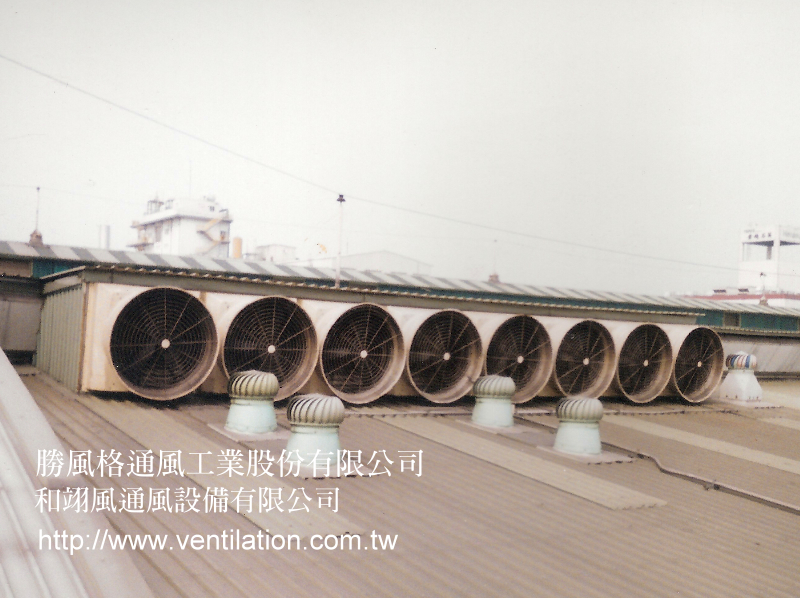 通風扇
通風扇