What is an exhaust fan?
What is an exhaust fan? What is an exhaust fan?
An exhaust fan is a widely used device in homes, businesses, and industrial settings. Its main function is to expel stale air, odors, and moisture from indoor spaces to the outside, thereby improving air quality, maintaining air circulation, and providing a more comfortable environment. Exhaust fans not only have a significant impact on the quality of life in homes but also play a crucial role in industrial settings. This article will detail the working principle, types, applications, and maintenance methods of exhaust fans.
Working Principle of an Exhaust Fan
The basic principle of an exhaust fan is to use rotating blades to generate airflow, drawing in and expelling indoor air. The fan motor drives the blades, and as the blades rotate, they change the direction of airflow, creating a negative pressure area. This draws stale indoor air into the fan and expels it outdoors, achieving both ventilation and exhaust.
Generally, exhaust fans are installed near windows or on walls to directly vent air outdoors. Exhaust fans can operate continuously or be set to a timer, depending on actual needs.
Types of Exhaust Fans
Exhaust fans can be categorized into several types based on their application, design, and installation method. Here are some common types:
Wall-mounted Exhaust Fans: This is the most common type, typically mounted on a wall, suitable for small spaces like kitchens and bathrooms. Wall-mounted exhaust fans are simple to operate and easy to install.
Window Exhaust Fans: This type of exhaust fan is installed on a window, with the air inlet and outlet usually on the same plane. It's suitable for places requiring rapid ventilation.
Duct Exhaust Fans: These fans are usually connected to ducts, drawing air from enclosed spaces and expelling it through the duct. They are suitable for large industrial equipment or basements, effectively removing harmful gases and moisture.
Range Hood-type Exhaust Fans: This is a special type of exhaust fan, commonly used in kitchens, specifically to remove cooking fumes. Range hoods effectively filter impurities from cooking fumes, keeping indoor air fresh.
Centrifugal Exhaust Fans: These fans use centrifugal force as their blade principle, providing strong exhaust capacity. Centrifugal exhaust fans are typically used in applications requiring strong ventilation, such as industrial plants and laboratories.
Applications of Exhaust Fans
Exhaust fans have a wide range of applications across various industries. Here are some common applications:
Home Life: In homes, exhaust fans are usually installed in damp, poorly ventilated areas such as kitchens and bathrooms to remove odors, steam, and maintain air circulation. Especially during cooking or bathing, exhaust fans effectively reduce water vapor in the air, preventing mold growth on walls and ceilings.
Commercial Venues: Shopping malls, offices, and restaurants also frequently use exhaust fans to ensure indoor air circulation and freshness. For example, in restaurants, exhaust fans effectively remove cooking fumes, maintaining a pleasant dining environment.
Industrial Sector: In working environments such as factories or laboratories, exhaust fans play a particularly important role. These places often generate large amounts of harmful gases, fumes, or dust. Using exhaust fans effectively reduces the concentration of these harmful substances, protecting worker health and improving work efficiency.
Agriculture and Livestock Farming: In livestock farming, exhaust fans are used to improve air circulation, reduce heat stress in livestock, and maintain a suitable farming environment. Additionally, exhaust fans in greenhouses help control temperature and humidity, improving the growing environment for plants.
Exhaust Fan Maintenance: To ensure the long-term stable operation of exhaust fans, regular maintenance is necessary. Here are some maintenance suggestions:
Clean the blades and filter: Dust and grease easily accumulate on the blades and filter of exhaust fans. They should be cleaned regularly to ensure proper fan operation. Use a soft cloth to wipe the blades, avoiding the use of overly strong cleaning agents.
Check motor operation: Regularly check the motor for abnormal noises or overheating. If problems are found, the motor should be repaired or replaced promptly.
Check the balance of the fan blades: Fan blades may deform or wear over time, affecting fan efficiency. Regularly check the blades to ensure they are in good working order.
Keep ventilation ducts clear: If using duct-type exhaust fans, regularly clean dust and debris from the ducts to prevent blockages and ensure effective ventilation.
Conclusion Exhaust fans, as an important ventilation device, play an indispensable role in daily life and various industries. Whether in a home or industrial application, exhaust fans effectively improve air quality and provide a healthy and comfortable environment. Proper selection and regular maintenance of exhaust fans can extend their lifespan and maximize their efficiency.
What is an Exhaust Fan? Exhaust fans play a vital role in modern life, especially in improving indoor air quality and removing moisture and odors. It is not just a simple household appliance, but an essential tool for ensuring health and maintaining a comfortable environment. With technological advancements, modern exhaust fans have seen significant improvements in design, performance, and functionality. Many exhaust fans also possess advanced features such as air filtration, energy saving, and automatic control, making them more efficient and environmentally friendly. Next, we will explore other aspects of exhaust fans in more depth, including their advantages, selection methods, and future development trends.
Advantages of Exhaust Fans Improving Indoor Air Quality: The most direct benefit of exhaust fans is their effective improvement of indoor air quality. Whether it's cooking fumes in the kitchen or humid air in the bathroom, exhaust fans can quickly expel this polluted air to the outside, creating a fresh air environment for residents.
Reducing Indoor Humidity: In humid seasons or on rainy days, indoor moisture is often difficult to dissipate, especially in enclosed spaces like bathrooms or basements. Exhaust fans effectively reduce indoor humidity, preventing the growth of mold and bacteria, and helping to maintain the long-term health of furniture and buildings.
Reducing Odors: Many daily activities generate odors, such as cooking and garbage disposal. If these odors linger indoors for extended periods, they will affect living comfort. Exhaust fans quickly remove these odors, effectively improving indoor air quality.
Energy Saving and Environmental Protection: Modern exhaust fans are increasingly designed for energy efficiency, with many models featuring low power consumption and low operating costs. Some high-end models are also equipped with automatic sensing technology that can automatically start or stop based on indoor air quality, effectively saving energy.
Improving Comfort: Exhaust fans maintain air circulation, preventing the air from becoming stuffy in enclosed environments, thus improving living comfort. They can also enhance natural ventilation to some extent, helping to maintain a fresh indoor atmosphere.
How to Choose the Right Exhaust Fan? Choosing the right exhaust fan requires consideration of your specific needs, installation environment, and budget. Here are some key factors to consider when selecting an exhaust fan:
Airflow (Exhaust Capacity): Airflow is a crucial indicator of an exhaust fan's efficiency, usually measured in cubic meters per hour (m³/h). Choosing an exhaust fan with the appropriate airflow ensures effective air removal and avoids poor ventilation. Generally, kitchens, bathrooms, and other humid areas require exhaust fans with higher airflow.
Noise Level: Noise level is an important factor when choosing an exhaust fan. Excessive noise can negatively impact quality of life, especially at night or in places where a quiet environment is needed. Choosing a low-noise model is particularly important for homes or offices.
Energy Efficiency: High-efficiency exhaust fans save energy and reduce operating costs. Choosing products with energy efficiency standards (such as energy-saving labels) can save on electricity bills over the long term and is more environmentally friendly.
Durability and Maintenance: Exhaust fans are devices used for extended periods, so it's essential to choose a reliable and durable product. Many exhaust fans also offer an easy-to-disassemble and clean design, allowing for regular cleaning of the blades and filters to maintain optimal operation.
Installation Methods and Space Requirements: Different exhaust fan models have different installation methods, which should be chosen based on the size of the space. For example, wall-mounted exhaust fans are suitable for small spaces, while ducted exhaust fans are suitable for applications requiring long-distance ventilation.
Special Features: With technological advancements, many exhaust fans have incorporated features such as smart control, timer switches, and filter filtration. Choosing these additional features can improve ease of use and the overall performance of the device.
Future Development Trends of Exhaust Fans
Intelligentization: With the popularization of smart home technology, exhaust fans will also develop towards intelligence. Future exhaust fans may integrate more intelligent functions, such as automatic activation based on indoor air quality sensors and remote control via smart home systems.
Energy Efficiency: The energy efficiency of exhaust fans will be further improved, especially given today's increasingly scarce energy resources and stringent environmental requirements. Future exhaust fans will place greater emphasis on energy efficiency standards and utilize new materials and technologies to reduce energy consumption.
Advances in Quiet Technology: To improve the user experience, noise control of exhaust fans will be a key research focus in the future. By improving fan blade design and motor technology, future exhaust fans will become quieter, suitable for various residential and working environments.
Multi-functional integration: Some exhaust fans will combine air filtration, dehumidification, and heating functions, achieving multiple uses in one unit. Such exhaust fans not only improve air circulation but also enhance air quality and comfort, especially in places requiring efficient air handling.
Conclusion: As a simple yet effective air handling device, the exhaust fan plays a vital role in homes, businesses, and industrial settings. It improves air quality, eliminates odors, controls humidity, and enhances comfort, making it an indispensable device in modern life. With technological advancements, exhaust fans will see further innovation in areas such as intelligence and energy efficiency. For consumers, understanding the working principles, types, and selection factors of exhaust fans will help them choose the most suitable device for their needs and enjoy a healthier and more comfortable living environment.
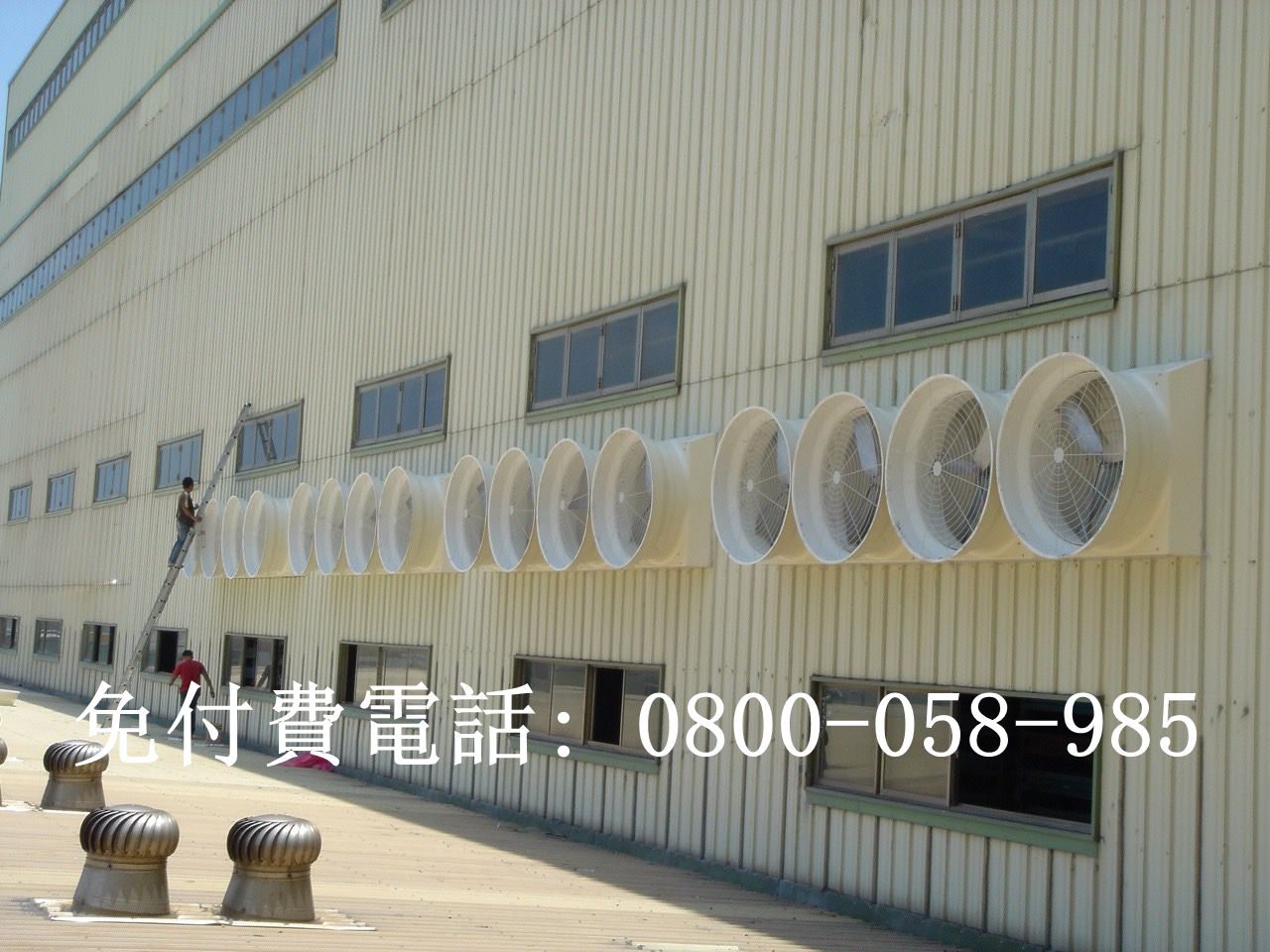 什麼是排風扇? 什麼是排風扇?
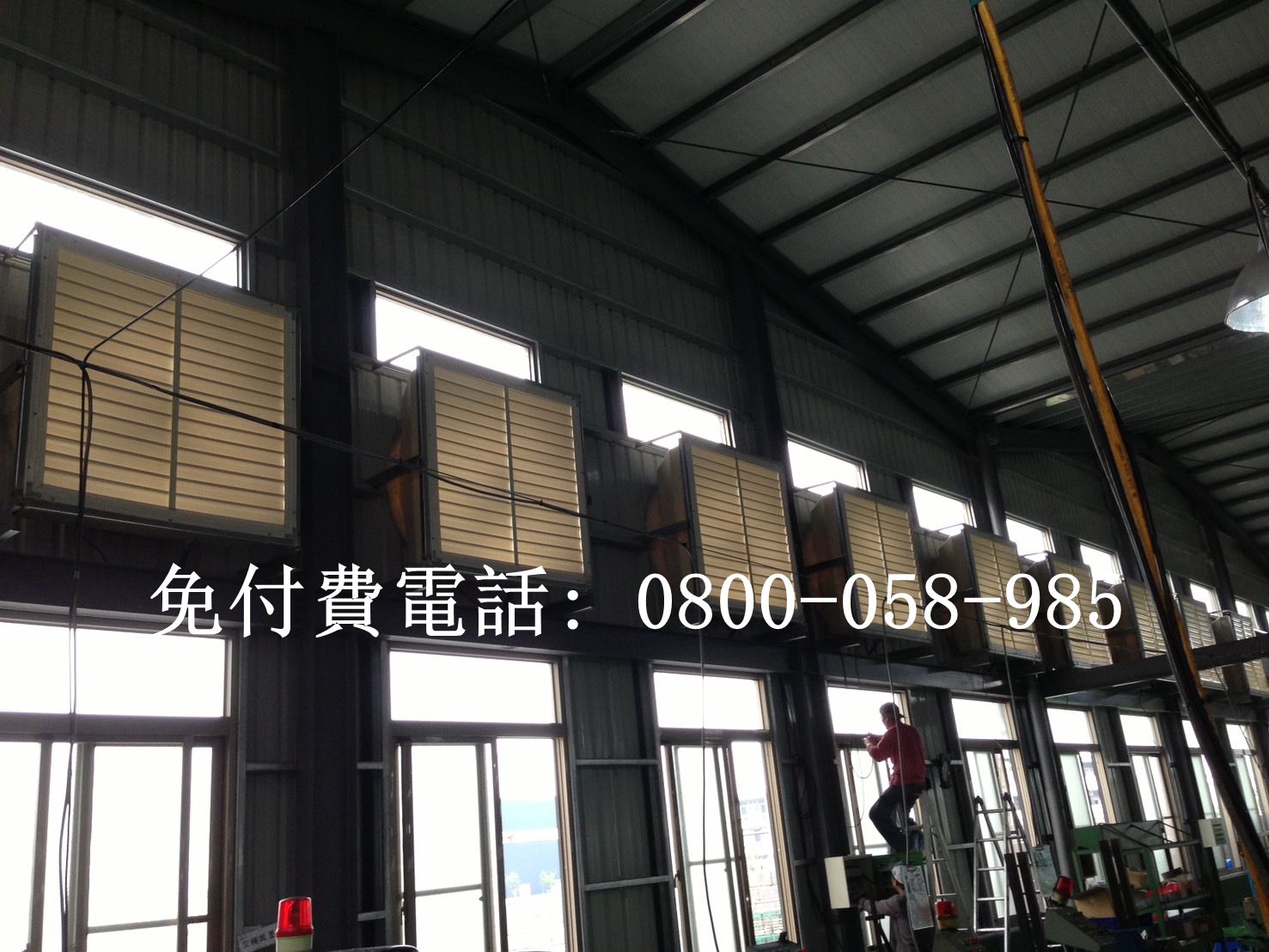 什麼是排風扇? 排風扇在現代生活中扮演著至關重要的角色,尤其在改善室內空氣品質、排除潮氣和異味方面。它不僅僅是一個單純的家電設備,還是保障健康、維護舒適環境的必需工具。隨著科技的發展,現代的排風扇在設計、性能和功能上有了顯著的改進,許多排風扇還具備了空氣過濾、節能和自動控制等高級功能,這些使得它們更加高效和環保。接下來,我們將更深入探討排風扇的其他方面,包括排風扇的優勢、挑選方法及未來的發展趨勢。