排風扇
勝風格通風工業股份有限公司(和翊風有限公司)
免付費電話: 0800-058-985
台中市大雅區港尾路2-11號
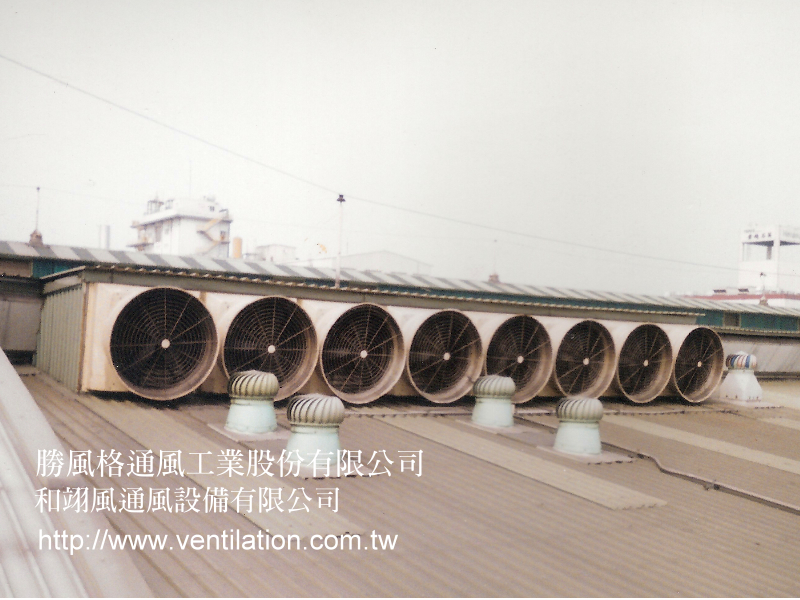 排風扇在現代建築設計中,排風扇是不可或缺的一部分,它在建築物內部起著排除室內污濁空氣,保持室內空氣清新的重要作用。本文將探討排風扇的工作原理、種類、應用場景以及在建築通風中的重要性。
一、排風扇的工作原理
排風扇是一種能夠通過機械運轉將室內污濁空氣排出建築物外部的設備。其工作原理主要包括以下幾個方面:
風扇葉片:排風扇通常配有葉片,當風扇運轉時,葉片會產生旋轉運動,將室內的空氣吸入風扇內部。
風扇馬達:排風扇的馬達提供動力,使風扇葉片能夠快速旋轉,產生強大的吸力,將室內污濁空氣排出建築物外部。
排風管道:排風扇通常連接著排風管道,將排出的污濁空氣通過管道排出建築物外部,從而實現室內空氣的循環和清新。
二、排風扇的種類
根據其使用場景和功能特點,排風扇可以分為多種類型:
廚房排風扇:用於廚房通風,能夠有效排除廚房中的油煙和異味,保持室內空氣清新。
浴室排風扇:用於浴室通風,能夠有效排除浴室中的濕氣和異味,防止霉菌和霉味的產生。
車庫排風扇:用於車庫通風,能夠有效排除車庫中的廢氣和異味,保護車輛和車庫內的物品。
工業排風扇:用於工業場所通風,能夠有效排除工業廠房中的粉塵、煙霧和有害氣體,保護工人的健康。
商業排風扇:用於商業場所通風,如商場、辦公樓等,能夠有效排除室內空氣中的異味和污染物,提供舒適的室內環境。
三、排風扇的應用場景
排風扇在各種建築場所都有廣泛的應用,包括但不限於:
住宅建築:在住宅建築中,排風扇通常用於廚房和浴室通風,能夠有效排除廚房和浴室中的油煙、濕氣和異味,保持室內空氣清新。
商業建築:在商業建築中,排風扇通常用於商場、辦公樓等場所,能夠有效排除室內空氣中的異味和污染物,提供舒適的室內環境,吸引顧客,提升消費體驗。
工業建築:在工業建築中,排風扇通常用於工業廠房、車間等場所,能夠有效排除粉塵、煙霧和有害氣體,保護工人的健康,提高工作效率。
公共建築:在公共建築中,排風扇通常用於停車場、地下室等場所,能夠有效排除室內空氣中的廢氣和異味,保護建築物結構和使用者的健康。
四、排風扇在建築通風中的重要性
排風扇在建築通風中起著重要作用,具有以下幾個方面的重要性:
保護人們健康:排風扇能夠有效排除室內空氣中的污染物和有害氣體,保護人們的健康,減少呼吸道疾病和其他健康問題的發生。
保護建築結構:排風扇能夠有效排除室內空氣中的濕氣和異味,防止霉菌和霉味的產生,保護建築結構免受潮濕和腐蝕的影響。
提高室內空氣品質:排風扇能夠保持室內空氣清新,降低室內濕度和溫度,提高室內空氣品質,為使用者提供舒適的室內環境。
節能環保:排風扇能夠有效降低室內空氣中的污染物濃度,減少對空調等其他室內通風設備的依賴,節省能源,減少對環境的影響,實現節能環保的目標。
五、排風扇的發展趨勢
隨著科技的不斷進步和人們對生活品質的不斷追求,排風扇將會呈現出以下幾個發展趨勢:
智能化:未來的排風扇將更加智能化,可以通過手機App或智能語音助手控制,實現遠程控制和定時開關,提高使用便利性。
節能環保:未來的排風扇將更加注重節能環保,採用高效能的馬達和風扇設計,降低能源消耗,同時還可以使用可再生能源如太陽能等,實現綠色能源利用。
多功能化:未來的排風扇將具有更多的功能,如空氣淨化、加濕、除濕等,可以滿足人們對室內環境的多樣化需求。
設計美觀化:未來的排風扇將注重外觀設計和美觀性,可以與建築裝潢風格相匹配,成為建築物內部的裝飾品。
結語:
排風扇作為建築通風的重要組成部分,在建築物內部起著排除室內污濁空氣,保持室內空氣清新的重要作用。通過適當的選擇和使用,可以為人們提供清新舒適的室內環境,保護健康,提高生活品質。隨著科技的不斷進步和人們對生活品質的不斷追求,排風扇將會不斷發展和創新,為人們提供更加智能、節能、多功能的建築通風解決方案。
六、排風扇的安裝和維護
安裝位置:排風扇的安裝位置應該在需要排風的地方,如廚房、浴室或車庫等。安裝時應確保排風扇和排風管道的連接牢固,並且排風口應該朝向室外,以免將污濁空氣排出室內造成污染。
適當間距:在安裝多個排風扇時,應根據建築物的大小和使用需求,合理安排排風扇的間距,以保證室內空氣的均勻排放和循環。
定期清潔:排風扇在長時間使用後會積聚灰塵和污垢,影響排風效果和空氣品質。因此,應定期清潔排風扇的葉片、外殼和排風口,保持排風扇的清潔和良好運行狀態。
定期檢查:排風扇的馬達和風扇葉片等部件在長時間使用後可能會出現磨損或故障,因此應定期檢查排風扇的運行狀況,如有異常應及時修理或更換。
安全使用:使用排風扇時應注意安全,避免觸碰風扇的運轉部件,以免造成意外傷害。同時,應避免將排風扇安裝在潮濕的地方或靠近水源,以防止發生漏電或短路事故。
七、排風扇的社會和環境意義
提高生活品質:排風扇能夠有效排除室內污濁空氣,保持室內空氣清新,提高人們的生活品質,增強人們對生活的滿意度和幸福感。
促進健康發展:排風扇能夠保護人們的健康,減少呼吸道疾病和其他健康問題的發生,促進健康和幸福的發展。
節能環保:排風扇能夠節省能源,減少對空調等其他室內通風設備的依賴,同時還能夠有效降低室內空氣中的污染物排放,實現節能環保的目標。
促進城市和社區的可持續發展:排風扇的普及和使用,有助於改善城市和社區的室內環境,提高城市和社區的居住品質,促進城市和社區的可持續發展。
結語
排風扇作為建築通風的重要組成部分,在建築物內部起著排除室內污濁空氣,保持室內空氣清新的重要作用。通過適當的安裝、維護和使用,排風扇能夠為人們提供清新舒適的室內環境,保護健康,提高生活品質,同時還能夠節能環保,促進城市和社區的可持續發展。因此,排風扇不僅是一種實用的建築設備,也是現代社會中不可或缺的重要設備之一。
八、排風扇的未來發展趨勢
隨著科技的不斷發展和人們對生活品質的不斷提升,排風扇在未來將會呈現出以下幾個發展趨勢:
智能化技術應用:未來的排風扇將更加智能化,具備遠程控制、定時開關、智能語音助手操作等功能。用戶可以通過手機App或智能語音助手控制排風扇的開啟、關閉和風速調節,實現智能化的運行管理,提高使用便利性。
高效節能技術應用:未來的排風扇將採用更加高效節能的馬達和風扇設計,降低能源消耗,提高能源利用效率。同時,排風扇還將採用節能型材料和技術,如LED照明、變頻控制等,進一步節省能源,降低運行成本。
多功能化設計趨勢:未來的排風扇將具備更多的功能,如空氣淨化、加濕、除濕、溫度控制等。用戶可以根據不同的需求選擇合適的功能模式,實現個性化的室內環境控制,提高使用價值和滿意度。
無線通訊技術應用:未來的排風扇將應用更加先進的無線通訊技術,實現排風扇之間的智能聯網和協同運行。通過無線通訊技術,用戶可以實現多個排風扇的集中控制和管理,提高整體通風效果和運行效率。
設計美觀化趨勢:未來的排風扇將注重外觀設計和美觀性,采用更加時尚、簡潔、富有科技感的設計風格。排風扇的外觀設計將更加符合現代建築的裝潢風格,成為建築室內空間的一部分,提升整體美感和品質。
結語:
排風扇作為建築通風的重要組成部分,在現代建築中具有不可替代的地位和作用。隨著科技的不斷進步和人們對生活品質的不斷追求,排風扇將不斷發展和創新,為人們提供更加智能、節能、多功能的建築通風解決方案。未來的排風扇將朝著智能化、節能化、多功能化和美觀化的方向發展,成為現代建築設計中不可或缺的重要設備,為人們創造更加舒適、健康、美好的室內生活環境。
排風扇,又稱為抽氣扇或換氣扇,是一種透過機械方式將室內污濁空氣、濕氣和異味排出室外的設備,廣泛應用於住宅、商業場所和工業環境中。其主要功能包括促進空氣流通、降低室內濕度、消除異味,從而維持室內環境的舒適與健康。
選購排風扇的關鍵考量
風量(CFM):風量以每分鐘立方英尺(CFM)為單位,表示風扇每分鐘能排出的空氣量。選擇適當的風量需考慮空間的大小。例如,面積約4平方米的浴室建議選用50 CFM的排風扇;而面積在9.7平方米以上的浴室則需選擇150 CFM的風扇。
FORTRESS.COM.HK
噪音水平:排風扇的噪音水平通常以分貝(dB)為單位。為了維持安靜的環境,建議選擇噪音低於30分貝的產品,以確保不影響日常生活。
FORTRESS.COM.HK
能耗:考量能源效率,選擇高效節能的排風扇有助於降低電力消耗。
安裝方式:根據實際需求,排風扇可分為吊頂式、壁掛式和窗式等類型。選擇適合的安裝方式有助於達到最佳的通風效果。
EANO.COM
安裝與維護建議
安裝位置:排風扇應安裝在濕氣、異味或熱氣集中的區域,如浴室的淋浴區或廚房的烹飪區,以確保有效排出污濁空氣。
EANO.COM
定期清潔:為維持排風扇的性能,應定期清潔風扇葉片和濾網,防止灰塵和油污積累影響運作效率。
檢查運行情況:定期檢查電機和控制系統,確保設備正常運作,避免故障發生。
總而言之,排風扇在現代建築中扮演著關鍵角色,能有效改善室內空氣品質,提升環境舒適度。透過選擇適當的機型並進行正確的安裝與維護,可充分發揮其功能,為居住者和工作人員提供健康、舒適的環境。
排風扇:現代建築的隱形守護者
排風扇,這個看似普通的居家設備,實則是現代建築中不可或缺的隱形守護者。它不僅僅是一個簡單的通風裝置,更是維繫室內空氣品質、守護居住者健康的重要角色。在現代建築日益密閉化的趨勢下,排風扇的重要性更顯突出。
一、排風扇的選購要點
風量是選擇排風扇的首要考量因素。以每分鐘立方英尺(CFM)為單位的風量指標,直接決定了排風扇的工作效率。對於面積約4平方米的浴室,50 CFM的排風扇即可滿足需求;而面積在9.7平方米以上的空間,則需要150 CFM以上的大風量機型。正確選擇風量,能確保室內空氣得到充分置換。
噪音水平直接影響使用體驗。現代排風扇普遍採用靜音設計,優質產品的噪音水平可控制在30分貝以下,相當於圖書館的環境音量。選擇低噪音機型,能確保排風扇運作時不會干擾日常生活。
能源效率是現代排風扇的重要指標。高效節能機型不僅能降低電力消耗,還能減少碳排放。選購時應關注產品的能效標識,選擇符合國家節能標準的產品,既環保又經濟。
二、排風扇的安裝要領
安裝位置直接影響排風扇的工作效能。在浴室,排風扇應安裝在淋浴區上方,以便及時排出濕氣;在廚房,則應安裝在烹飪區上方,有效排除油煙。正確的安裝位置能最大化排風扇的工作效率。
安裝方式需根據空間特點選擇。吊頂式適合整體裝修,能保持空間美觀;壁掛式安裝簡便,適合後期加裝;窗式則適用於特殊空間結構。選擇合適的安裝方式,能確保排風扇與空間完美融合。
專業安裝是保證排風扇正常運作的關鍵。正確的電路連接、穩固的安裝支架、適當的排氣管道布置,都需要專業人員操作。建議選擇有資質的安裝團隊,確保設備安全可靠。
三、排風扇的維護保養
定期清潔是維持排風扇性能的基礎。建議每月清潔一次風扇葉片和濾網,防止灰塵和油污積累。清潔時應使用中性清潔劑,避免損壞設備表面。
運行檢查是預防故障的有效措施。每季度應檢查電機運轉情況,聽取運轉聲音是否正常,觀察排風效果是否良好。發現異常應及時維修,避免小問題演變成大故障。
專業保養能延長設備使用壽命。建議每年請專業人員進行全面檢查,包括電機潤滑、電路檢測、支架加固等。定期專業保養能確保排風扇長期穩定運作。
排風扇作為現代建築的重要設備,其選購、安裝與維護都需要專業知識與細心操作。正確選擇適合的機型,專業規範的安裝,以及定期的維護保養,能確保排風扇發揮最佳效能,為居住者創造健康舒適的室內環境。在追求品質生活的今天,重視排風扇的每個細節,就是對健康生活的最好投資。
In modern architectural design, exhaust fans are an indispensable component, playing a crucial role in removing stale indoor air and maintaining fresh indoor air. This article will explore the working principle, types, application scenarios, and importance of exhaust fans in building ventilation.
I. Working Principle of Exhaust Fans
An exhaust fan is a device that mechanically expel stale indoor air from outside a building. Its working principle mainly includes the following aspects:
Fan Blades: Exhaust fans are typically equipped with blades. When the fan operates, the blades rotate, drawing indoor air into the fan.
Fan Motor: The motor of the exhaust fan provides power, enabling the fan blades to rotate rapidly, generating strong suction to expel stale indoor air from outside the building.
Exhaust Duct: Exhaust fans are usually connected to exhaust ducts, which vent the exhausted stale air outside the building, thus achieving indoor air circulation and freshness.
II. Types of Exhaust Fans
Based on their application scenarios and functional characteristics, exhaust fans can be divided into several types:
Kitchen Exhaust Fans: Used for kitchen ventilation, effectively removing cooking fumes and odors, maintaining fresh indoor air.
Bathroom Exhaust Fans: Used for bathroom ventilation, effectively removing moisture and odors, preventing mold and mildew.
Garage Exhaust Fans: Used for garage ventilation, effectively removing exhaust fumes and odors, protecting vehicles and items inside.
Industrial Exhaust Fans: Used for ventilation in industrial settings, effectively removing dust, smoke, and harmful gases, protecting worker health.
Commercial Exhaust Fans: Used for ventilation in commercial settings such as shopping malls and office buildings, effectively removing odors and pollutants from indoor air, providing a comfortable indoor environment.
III. Application Scenarios of Exhaust Fans
Exhaust fans have wide applications in various building types, including but not limited to:
Residential Buildings: In residential buildings, exhaust fans are typically used for kitchen and bathroom ventilation, effectively removing cooking fumes, moisture, and odors, maintaining fresh indoor air.
Commercial Buildings: In commercial buildings, exhaust fans are typically used in shopping malls, office buildings, etc., effectively removing odors and pollutants from indoor air, providing a comfortable indoor environment, attracting customers, and enhancing the consumer experience.
Industrial Buildings: In industrial buildings, exhaust fans are commonly used in factories, workshops, and other similar locations to effectively remove dust, smoke, and harmful gases, protecting worker health and improving work efficiency.
Public Buildings: In public buildings, exhaust fans are typically used in parking lots, basements, and other similar locations to effectively remove exhaust gases and odors from indoor air, protecting the building structure and the health of users.
IV. The Importance of Exhaust Fans in Building Ventilation
Exhaust fans play a crucial role in building ventilation, with the following key benefits:
Protecting Human Health: Exhaust fans effectively remove pollutants and harmful gases from indoor air, protecting human health and reducing the occurrence of respiratory diseases and other health problems.
Protecting Building Structures: Exhaust fans effectively remove moisture and odors from indoor air, preventing mold and mildew growth and protecting the building structure from moisture and corrosion.
Improving Indoor Air Quality: Exhaust fans maintain fresh indoor air, reduce indoor humidity and temperature, improve indoor air quality, and provide users with a comfortable indoor environment.
Energy Saving and Environmental Protection: Exhaust fans effectively reduce the concentration of pollutants in indoor air, reducing reliance on air conditioning and other indoor ventilation equipment, saving energy, reducing environmental impact, and achieving the goal of energy conservation and environmental protection.
V. Development Trends of Exhaust Fans
With continuous technological advancements and people's increasing pursuit of quality of life, exhaust fans will exhibit the following development trends:
Intelligentization: Future exhaust fans will be more intelligent, controllable via mobile apps or smart voice assistants, enabling remote control and timed on/off switching, improving ease of use.
Energy Saving and Environmental Protection: Future exhaust fans will place greater emphasis on energy conservation and environmental protection, employing high-efficiency motors and fan designs to reduce energy consumption. They can also utilize renewable energy sources such as solar power, achieving green energy utilization.
Multifunctionality: Future exhaust fans will have more functions, such as air purification, humidification, and dehumidification, meeting diverse needs for indoor environments.
Aesthetic Design: Future exhaust fans will emphasize aesthetic design, matching architectural styles and becoming decorative elements within buildings.
Conclusion:
As an important component of building ventilation, exhaust fans play a vital role in removing stale indoor air and maintaining fresh indoor air. With proper selection and use, exhaust fans can provide a fresh and comfortable indoor environment, protect health, and improve quality of life. As technology advances and people pursue a higher quality of life, exhaust fans will continue to develop and innovate, providing more intelligent, energy-efficient, and multifunctional building ventilation solutions.
VI. Installation and Maintenance of Exhaust Fans
Installation Location: Exhaust fans should be installed in areas requiring ventilation, such as kitchens, bathrooms, or garages. During installation, ensure a secure connection between the exhaust fan and the exhaust duct, and that the exhaust vent faces outdoors to prevent the discharge of polluted air into the room.
Appropriate Spacing: When installing multiple exhaust fans, the spacing should be rationally arranged according to the size of the building and usage requirements to ensure uniform exhaust and circulation of indoor air.
Regular Cleaning: After prolonged use, exhaust fans accumulate dust and dirt, affecting ventilation efficiency and air quality. Therefore, the blades, casing, and exhaust vents of the exhaust fans should be cleaned regularly to maintain cleanliness and optimal operating condition.
Regular Inspection: After prolonged use, components such as the exhaust fan motor and fan blades may experience wear or malfunction. Therefore, the exhaust fan's operation should be checked regularly, and any abnormalities should be repaired or replaced promptly.
Safe Use: When using an exhaust fan, pay attention to safety and avoid touching the moving parts to prevent accidental injury. Also, avoid installing the exhaust fan in damp locations or near water sources to prevent electrical leakage or short circuits.
VII. Social and Environmental Significance of Exhaust Fans
Improving Quality of Life: Exhaust fans effectively remove stale indoor air, maintaining fresh indoor air quality, improving people's quality of life, and enhancing their satisfaction and happiness.
Promoting Healthy Development: Exhaust fans protect people's health, reducing the occurrence of respiratory diseases and other health problems, and promoting healthy and happy development.
Energy Saving and Environmental Protection: Exhaust fans save energy, reducing reliance on air conditioning and other indoor ventilation equipment, while also effectively reducing indoor air pollutant emissions, achieving the goal of energy conservation and environmental protection.
Promoting Sustainable Urban and Community Development: The widespread use of exhaust fans helps improve the indoor environment of cities and communities, enhances the quality of life, and promotes sustainable development.
Conclusion
As an important component of building ventilation, exhaust fans play a vital role in removing stale indoor air and maintaining fresh indoor air. Through proper installation, maintenance, and use, exhaust fans can provide people with a fresh and comfortable indoor environment, protect health, improve quality of life, and also conserve energy and protect the environment, promoting sustainable urban and community development. Therefore, exhaust fans are not only a practical building device but also an indispensable piece of equipment in modern society.
VIII. Future Development Trends of Exhaust Fans
With the continuous development of technology and people's increasing pursuit of a higher quality of life, exhaust fans will exhibit the following development trends in the future:
Intelligent Technology Application: Future exhaust fans will be more intelligent, featuring remote control, timed on/off functions, and intelligent voice assistant operation. Users can control the operation of the exhaust fan, including turning it on and off and adjusting the fan speed, through a mobile app or intelligent voice assistant, achieving intelligent operation management and improving ease of use.
Application of High-Efficiency and Energy-Saving Technologies: Future exhaust fans will employ more efficient and energy-saving motors and fan designs, reducing energy consumption and improving energy utilization efficiency. Simultaneously, exhaust fans will utilize energy-saving materials and technologies, such as LED lighting and frequency conversion control, to further save energy and reduce operating costs.
Multi-functional Design Trend: Future exhaust fans will possess more functions, such as air purification, humidification, dehumidification, and temperature control. Users can select appropriate function modes according to different needs, achieving personalized indoor environment control and improving usability and satisfaction.
Application of Wireless Communication Technology: Future exhaust fans will utilize more advanced wireless communication technology to achieve intelligent networking and collaborative operation between fans. Through wireless communication technology, users can achieve centralized control and management of multiple exhaust fans, improving overall ventilation and operational efficiency.
Aesthetic Design Trend: Future exhaust fans will emphasize appearance design and aesthetics, adopting a more stylish, simple, and technologically advanced design style. The exterior design of exhaust fans will better match the decoration style of modern architecture, becoming an integral part of the building's interior space and enhancing overall aesthetics and quality.
Conclusion:
Exhaust fans, as an important component of building ventilation, hold an irreplaceable position and role in modern buildings. With continuous technological advancements and people's increasing pursuit of quality of life, exhaust fans will continue to develop and innovate, providing people with more intelligent, energy-efficient, and multifunctional building ventilation solutions. Future exhaust fans will develop towards intelligence, energy efficiency, multifunctionality, and aesthetics, becoming an indispensable piece of equipment in modern building design, creating a more comfortable, healthy, and beautiful indoor living environment.
Exhaust fans, also known as ventilation fans or air exchange fans, are devices that mechanically expel stale air, moisture, and odors from indoor spaces to the outside. They are widely used in residential, commercial, and industrial environments. Their main functions include promoting air circulation, reducing indoor humidity, and eliminating odors, thereby maintaining a comfortable and healthy indoor environment.
Key Considerations When Purchasing an Exhaust Fan
Air Volume (CFM): Air volume is measured in cubic feet per minute (CFM) and represents the amount of air a fan can exhaust per minute. Choosing the appropriate air volume requires considering the size of the space. For example, a 50 CFM exhaust fan is recommended for a bathroom of approximately 4 square meters; while a 150 CFM fan is needed for a bathroom larger than 9.7 square meters.
FORTRESESS.COM.HK
Noise Level: Exhaust fan noise levels are typically measured in decibels (dB). To maintain a quiet environment, it is recommended to choose a product with a noise level below 30 decibels to ensure it does not disrupt daily life.
FORTRESESS.COM.HK
Energy Consumption: Considering energy efficiency, choosing a high-efficiency, energy-saving exhaust fan helps reduce electricity consumption.
Installation Method: Depending on actual needs, exhaust fans can be categorized into ceiling-mounted, wall-mounted, and window-mounted types. Choosing the appropriate installation method helps achieve optimal ventilation.
EANO.COM
Installation and Maintenance Recommendations
Installation Location: Exhaust fans should be installed in areas with high humidity, odor, or heat, such as the shower area in a bathroom or the cooking area in a kitchen, to ensure effective removal of stale air.
EANO.COM
Regular Cleaning: To maintain the performance of the exhaust fan, the fan blades and filter should be cleaned regularly to prevent dust and grease buildup from affecting operating efficiency.
Operating Check: Regularly check the motor and control system to ensure the equipment is operating normally and to prevent malfunctions.
In conclusion, exhaust fans play a crucial role in modern buildings, effectively improving indoor air quality and enhancing environmental comfort. By selecting the appropriate model and performing proper installation and maintenance, their functions can be fully utilized to provide a healthy and comfortable environment for residents and staff.
Exhaust Fans: The Invisible Guardians of Modern Buildings
Exhaust fans, seemingly ordinary household appliances, are actually indispensable invisible guardians in modern buildings. They are not merely simple ventilation devices, but play a vital role in maintaining indoor air quality and protecting the health of residents. With the increasing trend of increasingly enclosed modern buildings, the importance of exhaust fans is even more prominent.
I. Key Considerations for Purchasing Exhaust Fans
Airflow is the primary consideration when choosing an exhaust fan. Airflow, measured in cubic feet per minute (CFM), directly determines the efficiency of the exhaust fan. For a bathroom of approximately 4 square meters, a 50 CFM exhaust fan is sufficient; however, spaces larger than 9.7 square meters require a higher airflow model of 150 CFM or more. Choosing the correct airflow ensures adequate air exchange in the room.
Noise levels directly impact the user experience. Modern exhaust fans generally feature quiet designs; high-quality products can control noise levels below 30 decibels, equivalent to the ambient sound level of a library. Choosing a low-noise model ensures that the exhaust fan will not disturb daily life.
Energy efficiency is a crucial indicator for modern exhaust fans. High-efficiency, energy-saving models not only reduce electricity consumption but also decrease carbon emissions. When purchasing, pay attention to the product's energy efficiency label and choose products that meet national energy-saving standards—they are both environmentally friendly and economical.
II. Exhaust Fan Installation Guidelines
The installation location directly affects the exhaust fan's efficiency. In a bathroom, the exhaust fan should be installed above the shower area to promptly remove moisture; in a kitchen, it should be installed above the cooking area to effectively remove cooking fumes. The correct installation location maximizes the exhaust fan's efficiency.
The installation method should be chosen based on the characteristics of the space. Ceiling-mounted fans are suitable for overall decoration and maintain the aesthetics of the space; wall-mounted fans are easy to install and suitable for later additions; window-mounted fans are suitable for special space structures. Choosing the appropriate installation method ensures that the exhaust fan blends perfectly with the space.
Professional installation is crucial for ensuring the normal operation of the exhaust fan. Correct electrical connections, sturdy mounting brackets, and appropriate exhaust pipe layout all require professional operation. It is recommended to choose a qualified installation team to ensure the safety and reliability of the equipment.
III. Maintenance and Care of the Exhaust Fan
Regular cleaning is the foundation for maintaining the performance of the exhaust fan. It is recommended to clean the fan blades and filter monthly to prevent the accumulation of dust and oil. Use a neutral detergent for cleaning to avoid damaging the equipment surface.
Operational checks are an effective measure to prevent malfunctions. The motor operation should be checked quarterly, listening to whether the operating sound is normal and observing whether the exhaust effect is good. Any abnormalities should be repaired promptly to prevent small problems from developing into major malfunctions.
Professional maintenance can extend the service life of the equipment. It is recommended to have a comprehensive inspection by professionals every year, including motor lubrication, electrical circuit testing, and bracket reinforcement. Regular professional maintenance ensures the long-term stable operation of the exhaust fan.
Exhaust fans are essential equipment in modern buildings, and their selection, installation, and maintenance all require professional knowledge and careful operation. Choosing the right model, professional and standardized installation, and regular maintenance ensure that exhaust fans perform at their best, creating a healthy and comfortable indoor environment for residents. In today's pursuit of a high-quality life, paying attention to every detail of exhaust fans is the best investment in a healthy lifestyle.