排風扇,工廠排風扇,廠房排風扇,負壓排風扇,整廠排風扇
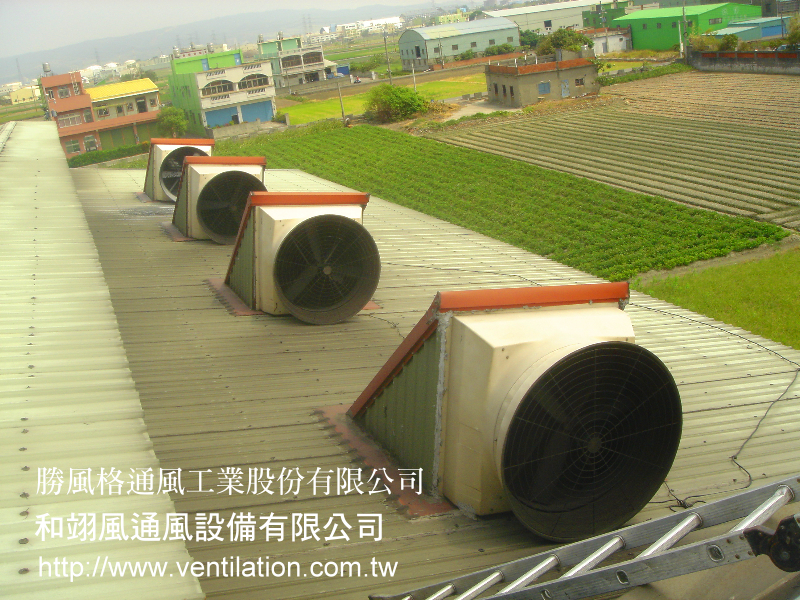 排風扇是一種能夠有效清除室內空氣中的有害物質的裝置
勝風格通風工業股份有限公司(和翊風有限公司)
免付費電話: 0800-058-985
台中市大雅區港尾路2-11號
現代工廠生產過程中,往往會產生各種氣體、粉塵等有害物質,這些物質如果長時間積累在室內空氣中,不僅會嚴重影響工作人員的身體健康,還會造成設備損壞、產品品質下降等問題。為了維護工作環境的清潔、健康和安全,排風扇成為了工廠中不可缺少的設備之一。
排風扇是一種能夠有效清除室內空氣中的有害物質的裝置。在工廠中,常用的排風扇有工廠排風扇、廠房排風扇、負壓排風扇和整廠排風扇等。這些排風扇的選擇與使用都需要根據具體的工廠環境和需求進行。
首先,工廠排風扇是專門為工廠使用而設計的,其特點是風量大、效率高、噪音低,能夠快速排出室內空氣中的有害物質,提供一個清潔健康的工作環境。同時,工廠排風扇還具有降溫的效果,特別是在夏季高溫時期,能夠有效地降低室內溫度,提高工作效率。
其次,廠房排風扇是針對廠房設置的排風設備,主要是對廠房內部空氣進行排放,保持廠房內部空氣流通,降低溫度,為工人提供一個良好的工作環境。廠房排風扇在安裝時,需要根據廠房的大小、高度和使用情況等因素進行選擇和安裝。
負壓排風扇是在室內空氣產生壓差時,利用排風扇產生的負壓作用,將有害物質排出室內,保持室內空氣的流通。負壓排風扇通常用於對室內環境要求比較高的場所,如化學實驗室、手術室等。
排風扇:現代生活的隱形守護者
排風扇,這個看似平凡的居家設備,實則是現代生活中不可或缺的隱形守護者。它不僅僅是一個簡單的通風裝置,更是維繫室內空氣品質、守護家人健康的重要角色。在現代建築日益密閉化的趨勢下,排風扇的重要性更顯突出。
一、排風扇的演進與革新
排風扇的發展歷程見證了人類對生活品質的不懈追求。從最初簡單的機械式風扇,到如今智能化的空氣調節系統,排風扇經歷了翻天覆地的變化。現代排風扇不僅具備高效能馬達,更整合了智能感應、濕度控制等多項功能,能夠根據環境變化自動調節運轉模式。
在技術創新方面,無刷直流馬達的應用大幅提升了排風扇的能效,使其在降低噪音的同時,運轉效率提升了40%以上。此外,新型材料的運用讓排風扇更加耐用,使用壽命普遍延長至10年以上。
現代排風扇的設計理念已從單純的功能性轉向人性化考量。靜音設計、易清潔結構、美觀外觀等特點,使其更好地融入現代家居環境,滿足消費者對品質生活的追求。
二、排風扇的多元應用場景
在居家環境中,排風扇扮演著空氣清道夫的角色。廚房油煙、浴室濕氣、衛生間異味等問題,都能通過排風扇得到有效解決。特別是在開放式廚房設計盛行的今天,大功率排風扇更是不可或缺的配置。
在商業場所,排風扇的應用更為廣泛。餐廳、健身房、辦公室等場所都需要依靠排風扇來維持良好的空氣流通。大型商業排風系統能夠實現精準的風量控制,確保每個角落都能獲得新鮮空氣。
工業領域對排風扇的要求更為嚴苛。防爆、防腐、耐高溫等特殊性能的排風扇,在化工、電子、食品加工等行業發揮著重要作用,保障生產環境的安全與潔淨。
三、排風扇的未來發展趨勢
智能化是排風扇發展的必然方向。未來的排風扇將能夠與智能家居系統無縫對接,實現遠程控制、自動調節、數據監測等功能。通過物聯網技術,排風扇可以與其他家電協同工作,創造更舒適的居住環境。
節能環保已成為排風扇設計的核心考量。新一代排風扇將採用更高效的能源利用技術,如太陽能供電、熱能回收等,最大限度降低能源消耗。部分先進機型已能實現能源自給自足,真正達到零碳排放。
在健康功能方面,未來的排風扇將整合空氣淨化、殺菌消毒等功能,成為全方位的空氣品質管理系統。通過精密的感應器,能夠實時監測空氣中的有害物質,並自動啟動相應的淨化程序。
排風扇的發展歷程,反映了人類對健康生活的不懈追求。從簡單的通風裝置到智能化的空氣管理系統,排風扇的每一次革新都為我們帶來更優質的生活體驗。展望未來,隨著科技的不斷進步,排風扇將繼續進化,以更智能、更環保、更健康的方式守護我們的居住環境。在這個注重生活品質的時代,選擇一台合適的排風扇,就是為自己和家人選擇一份健康保障。
排風扇的功能與應用
一、排風扇的概念與重要性
排風扇是一種常見的通風設備,主要用於排除室內的污濁空氣、異味、濕氣及熱氣,使空氣流通,保持環境舒適。它廣泛應用於住宅、商業場所、工業廠房、廚房、浴室、倉庫及地下空間等,能有效改善空氣品質,降低溫度,並減少霉菌和有害氣體的積聚。
在密閉或空氣流通不良的環境中,長時間積累的污染物可能會影響人體健康,例如二氧化碳過高導致頭暈、潮濕環境導致霉菌滋生、廚房油煙影響呼吸系統等。因此,排風扇在現代建築與工業應用中,扮演著不可或缺的角色。
二、排風扇的主要功能
改善空氣品質
排除異味、油煙、粉塵等污染物,使室內空氣清新。
減少細菌、霉菌和過敏原的累積,降低健康風險。
降低室內溫度
在悶熱環境中,排風扇能迅速帶走熱氣,讓室內更涼爽。
適用於工廠、倉庫、廚房等高溫工作環境,減少員工因高溫導致的疲勞與效率下降。
控制濕度,防止霉變
排除潮濕空氣,防止霉菌、白蟻、細菌滋生,保護建築結構與家具設備。
特別適用於浴室、地下室、食品加工廠等容易受潮的環境。
排除有害氣體
在化工廠、實驗室、廚房等場所,可有效排除有害氣體,如一氧化碳、氨氣、甲醛等,確保工作環境安全。
提升節能效益
透過改善空氣流通,降低冷氣或暖氣的負荷,減少能源消耗。
搭配智慧感測器的排風扇可根據環境變化自動調節,進一步提升節能效果。
三、排風扇的類型與應用
根據不同的應用場景,排風扇可分為以下幾種類型:
壁掛式排風扇
安裝於牆壁上,適用於家庭、辦公室、商店、廚房等一般空間。
造型簡單、安裝容易,適合中小型空間的換氣需求。
窗式排風扇
直接安裝於窗戶上,透過窗戶排放空氣。
適合住宅、學校、餐廳等場所,安裝簡便,不占室內空間。
管道式排風扇
透過通風管道將室內空氣排出,適用於大型建築、廠房、地下停車場等。
可搭配空氣過濾設備,確保空氣品質。
工業用排風扇
風量大、耐用度高,適用於工廠、倉庫、養殖場、溫室等需要大面積換氣的場所。
常與負壓風機或屋頂排氣扇搭配使用,提高換氣效率。
屋頂排風扇
安裝於建築物屋頂,利用熱壓差與風力作用,將熱氣與污染空氣自然排出。
適用於廠房、倉庫、體育館、大型商場等空間。
離心式排風扇
具高風壓、低噪音的特性,適用於需要長距離輸送空氣的場所,如醫院、實驗室、地下空間等。
可與空調系統、新風系統結合使用,提升整體通風效能。
四、如何選擇適合的排風扇
根據空間大小選擇風量
風量(CFM 或 CMH)是衡量排風扇效能的關鍵指標,應根據空間大小與換氣需求選擇適當風量的機型。
住宅、廚房、浴室等小型空間可選擇中小型排風扇,工業廠房、倉庫等大空間則需選擇高風量的工業用排風扇。
考量安裝位置與方式
牆壁式、窗式、管道式、屋頂式等不同類型的排風扇適用於不同環境,需依現場條件選擇合適的機型。
噪音控制
家庭、辦公室等環境應選擇低噪音型排風扇,以提升舒適度。
工廠或大型場館則可優先考慮風量與效率,適當取捨噪音問題。
能效與節能需求
選擇具變頻控制的排風扇,可根據需求自動調整風速,降低能耗。
智能感應型排風扇可依據溫度、濕度或空氣品質變化自動啟動,提高使用便利性與能源效率。
五、排風扇的安裝與維護
安裝注意事項
確保排風口暢通,避免被障礙物擋住影響通風效果。
風扇安裝位置應遠離粉塵與污染源,以延長使用壽命。
需要與進風口搭配使用,確保空氣流通順暢。
維護與清潔
定期清理葉片與濾網,防止灰塵與油污影響排風效能。
檢查電機與軸承運轉狀況,確保風扇運行穩定,降低異常噪音與耗電。
六、結論
排風扇是改善空氣品質、降低溫度與控制濕度的重要設備,在住宅、商業與工業環境中都扮演著關鍵角色。透過正確選擇合適的機型,合理安裝與定期維護,不僅能提升換氣效能,還能降低能耗,達到節能與環保的效果。未來,隨著智能技術與節能需求的提升,排風扇將朝向高效能、低能耗與智慧控制的方向發展,為人們提供更健康與舒適的環境。
Modern factory production processes often generate various gases, dust, and other harmful substances. If these substances accumulate in indoor air for extended periods, they can seriously affect the health of workers and cause equipment damage and product quality degradation. To maintain a clean, healthy, and safe working environment, exhaust fans have become an indispensable piece of equipment in factories.
An exhaust fan is a device that effectively removes harmful substances from indoor air. Commonly used exhaust fans in factories include factory exhaust fans, workshop exhaust fans, negative pressure exhaust fans, and whole-plant exhaust fans. The selection and use of these exhaust fans must be based on the specific factory environment and needs.
Firstly, factory exhaust fans are specifically designed for factory use. They are characterized by large air volume, high efficiency, and low noise, quickly removing harmful substances from indoor air and providing a clean and healthy working environment. Simultaneously, factory exhaust fans also have a cooling effect, especially during the high temperatures of summer, effectively reducing indoor temperature and improving work efficiency.
Secondly, workshop exhaust fans are ventilation equipment installed in factory buildings. Their main function is to exhaust air from the factory premises, maintaining air circulation, lowering the temperature, and providing workers with a good working environment. When installing exhaust fans in a factory, the selection and installation should be based on factors such as the size, height, and usage of the factory.
Negative pressure exhaust fans work by creating a negative pressure effect when there is a pressure difference in the indoor air, thus expelling harmful substances and maintaining air circulation. Negative pressure exhaust fans are typically used in places with high requirements for indoor environmental conditions, such as chemical laboratories and operating rooms.
Exhaust Fans: The Invisible Guardians of Modern Life
Exhaust fans, seemingly ordinary household appliances, are actually indispensable invisible guardians in modern life. They are not just simple ventilation devices, but also play a vital role in maintaining indoor air quality and protecting the health of family members. With the increasing trend of increasingly enclosed modern buildings, the importance of exhaust fans is even more prominent.
I. The Evolution and Innovation of Exhaust Fans
The development of exhaust fans has witnessed humanity's relentless pursuit of a higher quality of life. From the initial simple mechanical fans to today's intelligent air conditioning systems, exhaust fans have undergone tremendous changes. Modern exhaust fans not only have high-efficiency motors but also integrate intelligent sensing, humidity control, and other functions, automatically adjusting their operating mode according to environmental changes.
In terms of technological innovation, the application of brushless DC motors has significantly improved the energy efficiency of exhaust fans, increasing operating efficiency by over 40% while reducing noise. Furthermore, the use of new materials makes exhaust fans more durable, with a lifespan generally extended to over 10 years.
The design philosophy of modern exhaust fans has shifted from simple functionality to human-centered considerations. Features such as quiet operation, easy-to-clean structure, and aesthetically pleasing appearance allow them to better integrate into modern home environments and meet consumers' pursuit of a quality lifestyle.
II. Diverse Application Scenarios of Exhaust Fans
In home environments, exhaust fans act as air purifiers. Problems such as kitchen fumes, bathroom humidity, and toilet odors can be effectively solved by exhaust fans. Especially with the popularity of open kitchen designs today, high-powered exhaust fans are indispensable.
In commercial settings, the application of exhaust fans is even more widespread. Restaurants, gyms, offices, and other places all rely on exhaust fans to maintain good air circulation. Large-scale commercial exhaust systems can achieve precise airflow control, ensuring that every corner receives fresh air.
The industrial sector has even more stringent requirements for exhaust fans. Exhaust fans with special properties such as explosion-proof, corrosion-resistant, and high-temperature resistant performance play a vital role in industries such as chemical, electronics, and food processing, ensuring a safe and clean production environment.
III. Future Development Trends of Exhaust Fans
Intelligentization is the inevitable direction for the development of exhaust fans. Future exhaust fans will be able to seamlessly integrate with smart home systems, enabling remote control, automatic adjustment, and data monitoring. Through IoT technology, exhaust fans can work collaboratively with other home appliances to create a more comfortable living environment.
Energy conservation and environmental protection have become core considerations in exhaust fan design. The next generation of exhaust fans will adopt more efficient energy utilization technologies, such as solar power and heat recovery, to minimize energy consumption. Some advanced models can already achieve energy self-sufficiency, truly achieving zero carbon emissions.
In terms of health functions, future exhaust fans will integrate air purification, sterilization, and disinfection functions, becoming a comprehensive air quality management system. Through sophisticated sensors, they can monitor harmful substances in the air in real time and automatically activate corresponding purification programs.
The development history of exhaust fans reflects humanity's relentless pursuit of a healthy life. From simple ventilation devices to intelligent air management systems, each innovation in exhaust fans brings us a better living experience. Looking to the future, with continuous technological advancements, exhaust fans will continue to evolve, protecting our living environment in a smarter, more environmentally friendly, and healthier way. In this era that values quality of life, choosing a suitable exhaust fan is choosing a health guarantee for yourself and your family.
Functions and Applications of Exhaust Fans
I. Concept and Importance of Exhaust Fans
An exhaust fan is a common ventilation device, mainly used to remove stale air, odors, moisture, and heat from indoor spaces, promoting air circulation and maintaining a comfortable environment. It is widely used in residences, commercial spaces, industrial plants, kitchens, bathrooms, warehouses, and underground spaces, effectively improving air quality, lowering temperatures, and reducing the accumulation of mold and harmful gases.
In enclosed or poorly ventilated environments, the long-term accumulation of pollutants can affect human health. For example, excessive carbon dioxide can cause dizziness, damp environments can lead to mold growth, and kitchen fumes can affect the respiratory system. Therefore, exhaust fans play an indispensable role in modern building and industrial applications.
II. Main Functions of Exhaust Fans
Improve Air Quality
Eliminates odors, fumes, dust, and other pollutants, resulting in fresh indoor air.
Reduces the accumulation of bacteria, mold, and allergens, lowering health risks.
Lower Indoor Temperature
In hot and humid environments, exhaust fans quickly remove heat, making the room cooler.
Suitable for high-temperature working environments such as factories, warehouses, and kitchens, reducing employee fatigue and decreased efficiency due to high temperatures.
Control Humidity and Prevent Mold Growth
Eliminates humid air, preventing the growth of mold, termites, and bacteria, protecting building structures and furniture.
Especially suitable for bathrooms, basements, food processing plants, and other environments prone to dampness.
Eliminate Harmful Gases
Effectively removes harmful gases such as carbon monoxide, ammonia, and formaldehyde in chemical plants, laboratories, and kitchens, ensuring a safe working environment.
Enhance Energy Efficiency
By improving air circulation, it reduces the load on air conditioning or heating systems, reducing energy consumption.
Exhaust fans equipped with smart sensors can automatically adjust according to environmental changes, further enhancing energy efficiency. III. Types and Applications of Exhaust Fans
Based on different application scenarios, exhaust fans can be divided into the following types:
Wall-mounted Exhaust Fans
Installed on a wall, suitable for general spaces such as homes, offices, shops, and kitchens.
Simple design and easy installation, suitable for the ventilation needs of small to medium-sized spaces.
Window Exhaust Fans
Installed directly on windows, exhausting air through the window.
Suitable for residences, schools, restaurants, etc., easy to install and does not take up indoor space.
Duct Exhaust Fans
Exhaust indoor air through ventilation ducts, suitable for large buildings, factories, underground parking lots, etc.
Can be used with air filtration equipment to ensure air quality.
Industrial Exhaust Fans
Large air volume and high durability, suitable for factories, warehouses, farms, greenhouses, and other places requiring large-area ventilation.
Often used in conjunction with negative pressure fans or roof exhaust fans to improve ventilation efficiency.
Roof Exhaust Fans
Installed on the roof of a building, utilizing thermal pressure difference and wind force to naturally exhaust hot and polluted air. Suitable for factories, warehouses, stadiums, large shopping malls, and other spaces.
Centrifugal Exhaust Fans
Features high air pressure and low noise, suitable for places requiring long-distance air delivery, such as hospitals, laboratories, and underground spaces.
Can be used in conjunction with air conditioning systems and fresh air systems to improve overall ventilation efficiency.
IV. How to Choose the Right Exhaust Fan
Select Airflow Based on Space Size
Airflow (CFM or CMH) is a key indicator of exhaust fan performance. The appropriate airflow model should be selected based on the space size and ventilation requirements.
Small to medium-sized exhaust fans can be selected for small spaces such as residences, kitchens, and bathrooms, while high-airflow industrial exhaust fans are required for large spaces such as industrial plants and warehouses.
Consider Installation Location and Method
Wall-mounted, window-mounted, ducted, and roof-mounted exhaust fans are suitable for different environments. The appropriate model should be selected based on site conditions.
Noise Control
Low-noise exhaust fans should be selected for home and office environments to improve comfort.
For factories or large venues, airflow and efficiency should be prioritized, with noise levels being a secondary consideration.
Energy Efficiency and Energy Saving Requirements
Choose exhaust fans with variable frequency control (VFDs) to automatically adjust fan speed according to demand, reducing energy consumption.
Intelligent sensor-operated exhaust fans can automatically start based on changes in temperature, humidity, or air quality, improving ease of use and energy efficiency.
V. Exhaust Fan Installation and Maintenance
Installation Precautions
Ensure the exhaust vent is unobstructed and avoid obstructions that could affect ventilation.
The fan should be installed away from dust and pollution sources to extend its lifespan.
It needs to be used in conjunction with an air inlet to ensure smooth airflow.
Maintenance and Cleaning
Regularly clean the blades and filter to prevent dust and oil from affecting exhaust efficiency.
Check the motor and bearings for stable fan operation, reducing abnormal noise and power consumption.
VI. Conclusion
Exhaust fans are essential devices for improving air quality, lowering temperature, and controlling humidity, playing a crucial role in residential, commercial, and industrial environments. By selecting the right model, installing it properly, and maintaining it regularly, ventilation efficiency can be improved, energy consumption can be reduced, and energy conservation and environmental protection can be achieved. In the future, with the advancement of smart technology and the demand for energy conservation, exhaust fans will develop towards high efficiency, low energy consumption, and intelligent control, providing people with a healthier and more comfortable environment.