喇叭扇,工廠喇叭扇,廠房喇叭扇,負壓喇叭扇,整廠喇叭扇
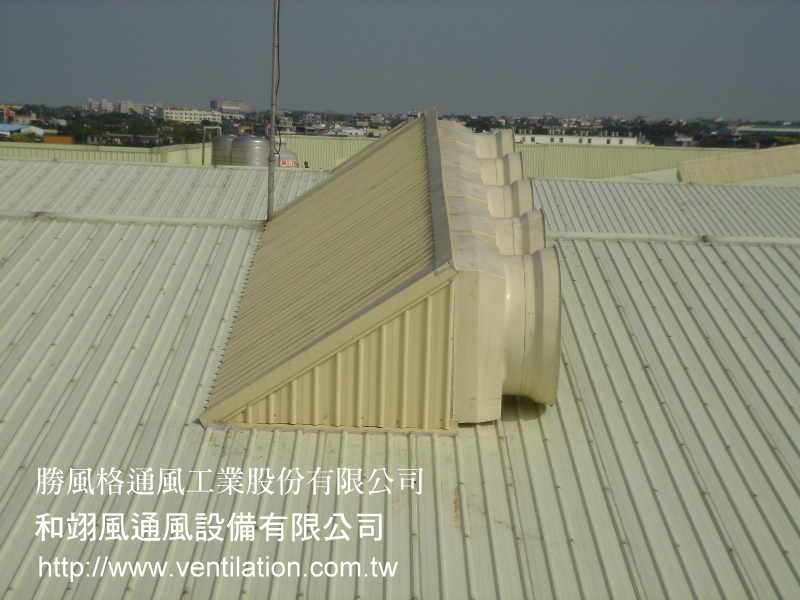 工廠喇叭扇是一種安裝在工廠內的大型排風扇
勝風格通風工業股份有限公司(和翊風有限公司)
免付費電話: 0800-058-985
台中市大雅區港尾路2-11號
近年來,隨著環保意識的提升以及氣候變遷的影響,許多工廠為了減少能源消耗以及改善廠房內的環境,紛紛導入喇叭扇等排風設備。喇叭扇具有許多優點,例如能夠有效降溫、提高空氣流通性、減少潮濕等。本文將介紹工廠喇叭扇、廠房喇叭扇、負壓喇叭扇、整廠喇叭扇等不同類型的喇叭扇,以及其特點和應用場景。
首先,工廠喇叭扇是一種安裝在工廠內的大型排風扇,主要功能是排除室內熱氣、潮濕以及污染物質。工廠喇叭扇一般需要大風量、大排風量,且具有較高的耐用性和安全性。此外,工廠喇叭扇通常需要經過專業設計和定制,以符合不同工廠的實際需求。
廠房喇叭扇是一種類似於工廠喇叭扇的設備,但尺寸通常較小。廠房喇叭扇可以放置在廠房的不同位置,例如屋頂、牆壁等,以提高空氣流通性和排除熱氣。此外,廠房喇叭扇通常具有靈活性高、易於安裝等優點。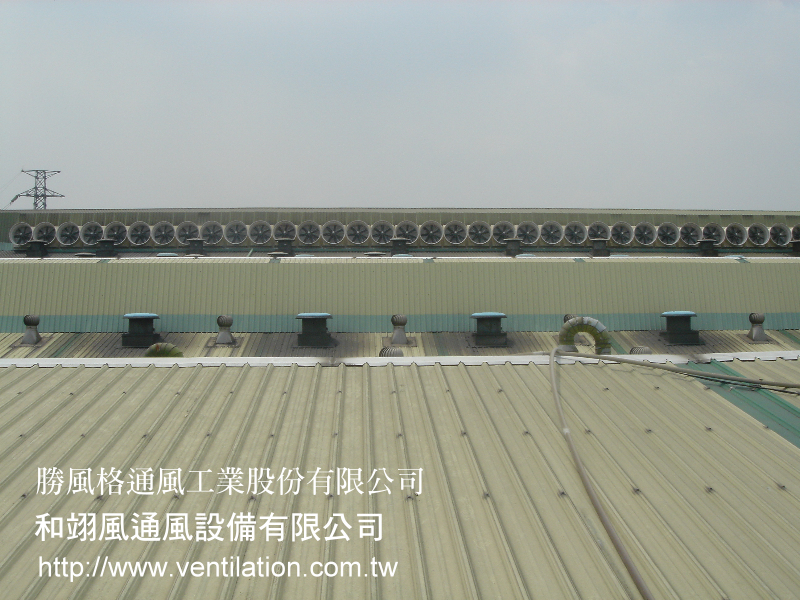 負壓喇叭扇是一種利用負壓原理進行排風的設備
負壓喇叭扇是一種利用負壓原理進行排風的設備。負壓喇叭扇通常被安裝在室內,並通過吸入室內空氣,然後排放到室外。負壓喇叭扇可以有效減少室內的熱氣和潮濕,同時也可以有效降低污染物質的濃度,提高室內空氣的質量。
整廠喇叭扇是一種應用較為廣泛的設備,其主要功能是整體性地解決廠房內部的空氣流通問題。
喇叭扇的功能與應用
一、喇叭扇的概念與特點
喇叭扇是一種高效能的工業排風設備,因其外型類似喇叭而得名,主要用於排風、降溫和空氣循環。喇叭扇採用大風量、低轉速的設計,能有效排出工廠、倉庫、養殖場等大型空間內的熱氣、粉塵及濕氣,提升空氣品質與工作環境的舒適度。
相較於一般的排風扇或負壓風機,喇叭扇具有更大的排風量,且耗電量相對較低,是許多工業與農業場所首選的通風設備。隨著節能環保意識的提升,喇叭扇在大型廠房與高熱環境中的應用越來越普遍。
二、喇叭扇的主要功能
強力排風與空氣循環
喇叭扇能迅速排出悶熱空氣與污染物,確保空氣流通。
透過負壓作用,讓新鮮空氣從外部進入,形成良好的通風效果。
降低室內溫度
適用於高溫工作環境,如冶金、機械加工、塑膠製品、服裝紡織等工業廠房。
能有效降低溫度5~10°C,提升工作效率,減少員工因高溫而產生的疲勞。
控制濕度,防止霉變
透過持續換氣,減少濕氣累積,防止霉菌生長。
適用於食品加工廠、倉庫、農業溫室等需控濕的場所。
去除粉塵與有害氣體
在粉塵較多的工作環境,如木材加工、五金製造、焊接等,喇叭扇能將懸浮顆粒排出,減少粉塵對員工健康的影響。
可用於化工廠、塑膠廠等排出異味與有害氣體,確保工作安全。
提升能源效率,降低運行成本
喇叭扇的設計能在低轉速下提供大風量,比傳統風扇更節能。
配合變頻控制技術,可根據環境需求自動調整風速,進一步降低電力消耗。
三、喇叭扇的應用領域
喇叭扇因其高效能與節能特性,被廣泛應用於各種需要大量換氣的場所:
工業廠房
適用於大型生產線、高溫車間、焊接區域等,可快速降溫,排除廢氣與粉塵。
可搭配濕簾降溫系統,提供更舒適的工作環境。
畜牧養殖場
在雞舍、豬舍、牛舍等養殖場,喇叭扇能迅速排除氨氣、硫化氫等有害氣體,保持空氣流通,減少動物疾病發生率。
避免溫度過高影響牲畜生長,提高養殖效益。
溫室大棚
透過喇叭扇調節溫度與濕度,防止作物因高溫或過度潮濕而生病。
配合噴霧降溫設備,可為植物提供最佳的生長環境。
倉儲與物流中心
在大型倉庫與物流園區,確保通風順暢,減少悶熱與潮濕造成的產品損壞。
降低粉塵積累,保護存放的貨品與設備。
體育館與大型展覽館
在密閉的大型空間中,喇叭扇能提供穩定的空氣流動,確保活動時空氣清新、舒適。
四、如何選擇合適的喇叭扇
根據空間大小選擇適當風量
小型廠房可選擇風量較小的機型,而大型空間則需選擇大風量喇叭扇,以確保換氣效率。
一般來說,換氣次數應達到每小時10~30次,才能確保良好通風效果。
確認安裝位置與數量
喇叭扇應安裝在廠房或倉庫的上風處,以確保熱空氣與污染物能有效排出。
需與進風口搭配使用,避免負壓過強影響通風效果。
選擇耐用材質與低噪音機型
考慮安裝環境,選擇防水防腐蝕的機型,以確保長期穩定運行。
低噪音機型適合養殖場與辦公場所,以減少運行時對人員與動物的影響。
配合智能控制系統
可選擇搭載變頻控制的喇叭扇,根據溫度、濕度或空氣品質自動調整風速,提高節能效果。
五、喇叭扇的安裝與維護
安裝注意事項
確保進風口與排風口通暢,避免影響通風效率。
固定支架應牢固,以防止運行時振動與噪音過大。
若配合濕簾降溫系統使用,應確保水源供應穩定,避免影響降溫效果。
維護與保養
定期清潔扇葉與風罩,防止灰塵與污垢影響風量與效率。
檢查電機與軸承運作狀況,確保運行平穩,延長設備壽命。
確保電源線路安全,避免因老化或短路造成設備故障。
六、結論
喇叭扇憑藉其高風量、低能耗與廣泛適用性,已成為工業廠房、畜牧養殖場、倉庫、溫室與大型
In recent years, with increasing environmental awareness and the impact of climate change, many factories have introduced ventilation equipment such as horn fans to reduce energy consumption and improve the factory environment. Horn fans have many advantages, such as effective cooling, improved air circulation, and reduced humidity. This article will introduce different types of horn fans, including factory horn fans, workshop horn fans, negative pressure horn fans, and whole-plant horn fans, as well as their characteristics and application scenarios.
First, a factory horn fan is a large exhaust fan installed in a factory, primarily functioning to remove indoor heat, humidity, and pollutants. Factory horn fans generally require large air volume and high exhaust capacity, and must also possess high durability and safety. Furthermore, factory horn fans typically require professional design and customization to meet the specific needs of different factories.
A workshop horn fan is a similar device to a factory horn fan, but is usually smaller in size. Workshop horn fans can be placed in different locations within a factory, such as on the roof or walls, to improve air circulation and remove heat. In addition, workshop horn fans typically offer advantages such as high flexibility and ease of installation. A negative pressure horn fan is a device that utilizes the principle of negative pressure for ventilation.
A negative pressure horn fan is a device that utilizes the principle of negative pressure for ventilation. Negative pressure horn fans are typically installed indoors and draw in indoor air, then exhaust it outdoors. They effectively reduce indoor heat and humidity, while also reducing the concentration of pollutants and improving indoor air quality.
Whole-plant horn fans are a widely used type of equipment, primarily used to comprehensively solve the air circulation problem within a factory building.
Functions and Applications of Horn Fans
I. Concept and Characteristics of Horn Fans
A horn fan is a high-efficiency industrial ventilation device, named for its horn-like shape. It is mainly used for ventilation, cooling, and air circulation. Horn fans are designed with a large air volume and low speed, effectively removing heat, dust, and moisture from large spaces such as factories, warehouses, and farms, improving air quality and the comfort of the working environment.
Compared to ordinary exhaust fans or negative pressure fans, horn fans have a larger exhaust volume and relatively lower power consumption, making them the preferred ventilation equipment in many industrial and agricultural locations. With increasing awareness of energy conservation and environmental protection, loudspeaker fans are becoming increasingly common in large factories and high-heat environments.
II. Main Functions of Loudspeaker Fans
Powerful Exhaust and Air Circulation
Loudspeaker fans quickly expel hot, stuffy air and pollutants, ensuring air circulation.
Through negative pressure, fresh air is drawn in from the outside, creating excellent ventilation.
Lowering Indoor Temperature
Suitable for high-temperature working environments, such as industrial plants in metallurgy, machining, plastics manufacturing, and textiles.
Effectively lowers the temperature by 5-10°C, improving work efficiency and reducing employee fatigue caused by high temperatures.
Controlling Humidity and Preventing Mold Growth
Through continuous ventilation, it reduces moisture accumulation and prevents mold growth.
Suitable for places requiring humidity control, such as food processing plants, warehouses, and agricultural greenhouses.
Removing Dust and Harmful Gases
In dusty working environments, such as wood processing, hardware manufacturing, and welding, loudspeaker fans can expel suspended particles, reducing the impact of dust on employee health.
Used in chemical plants, plastic factories, etc., to remove odors and harmful gases, ensuring work safety.
Improving energy efficiency and reducing operating costs
The trumpet fan's design provides a large air volume at low speeds, making it more energy-efficient than traditional fans.
With inverter control technology, the fan speed can be automatically adjusted according to environmental needs, further reducing power consumption.
III. Application Areas of Trumpet Fans
Due to their high efficiency and energy-saving characteristics, trumpet fans are widely used in various places requiring high ventilation:
Industrial Plants
Suitable for large production lines, high-temperature workshops, welding areas, etc., providing rapid cooling and removing exhaust gases and dust.
Can be paired with evaporative cooling systems to provide a more comfortable working environment.
Livestock Farms
In chicken coops, pig sheds, cattle sheds, and other livestock farms, trumpet fans can quickly remove harmful gases such as ammonia and hydrogen sulfide, maintaining air circulation and reducing the incidence of animal diseases.
Preventing excessively high temperatures from affecting livestock growth and improving farming efficiency.
Greenhouses
Using trumpet fans to regulate temperature and humidity, preventing crops from getting sick due to high temperatures or excessive humidity.
When used in conjunction with misting cooling equipment, it can provide an optimal growing environment for plants.
Warehouses and Logistics Centers
In large warehouses and logistics parks, it ensures smooth ventilation, reducing product damage caused by heat and humidity.
It reduces dust accumulation, protecting stored goods and equipment.
Gyms and Large Exhibition Halls
In enclosed, large spaces, trumpet fans provide stable airflow, ensuring fresh and comfortable air during activities.
IV. How to Choose the Right Trumpet Fan
Select the appropriate airflow based on space size
Small factories can choose models with lower airflow, while large spaces require high-airflow trumpet fans to ensure efficient ventilation.
Generally, an air exchange rate of 10-30 times per hour is needed to ensure good ventilation.
Confirm installation location and quantity
Trumpet fans should be installed upwind of the factory or warehouse to ensure effective exhaust of hot air and pollutants.
They must be used in conjunction with air inlets to avoid excessive negative pressure affecting ventilation.
Choose durable materials and low-noise models
Consider the installation environment and choose waterproof and corrosion-resistant models to ensure long-term stable operation.
Low-noise models are suitable for farms and offices to reduce the impact on people and animals during operation.
Integrate with an intelligent control system
You can choose a horn fan equipped with frequency converter control, which automatically adjusts the fan speed according to temperature, humidity, or air quality to improve energy efficiency.
V. Installation and Maintenance of Horn Fans
Installation Precautions
Ensure that the air inlet and outlet are unobstructed to avoid affecting ventilation efficiency.
The mounting bracket should be sturdy to prevent excessive vibration and noise during operation.
If used with an evaporative cooling system, ensure a stable water supply to avoid affecting the cooling effect.
Maintenance and Care
Regularly clean the fan blades and fan cover to prevent dust and dirt from affecting airflow and efficiency.
Check the operation of the motor and bearings to ensure smooth operation and extend the equipment's lifespan.
Ensure the safety of the power supply line to avoid equipment failure due to aging or short circuits.
VI. Conclusion
With its high air volume, low energy consumption, and wide applicability, the trumpet fan has become a widely used appliance in industrial plants, livestock farms, warehouses, greenhouses, and large-scale applications.