工廠通風, 工廠通風設備,工廠通風工程
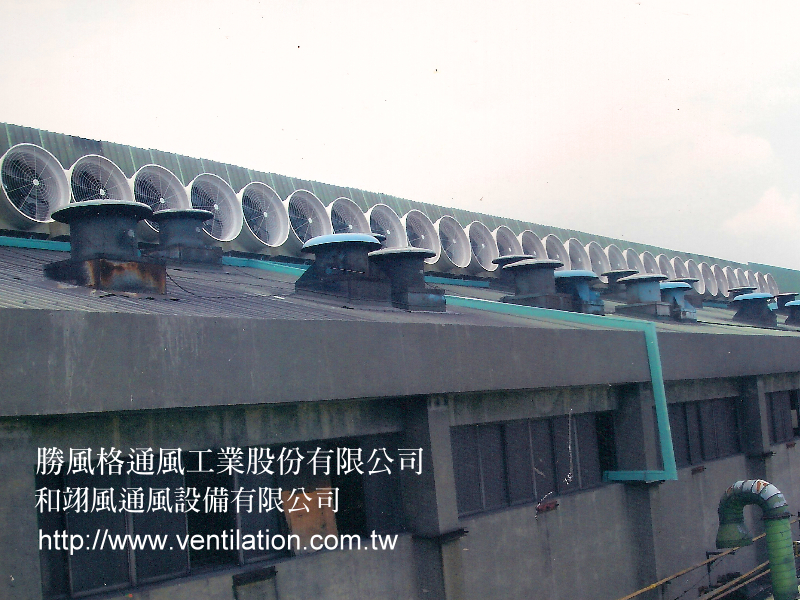 選擇適當的工廠通風設備也是很重要的。首先,需要確定廠房的大小和形狀,以選擇合適的排風扇和進風口
勝風格通風工業股份有限公司(和翊風有限公司)
免付費電話: 0800-058-985
台中市大雅區港尾路2-11號
工廠通風設備是一種用於廠房內部環境調節的設備。隨著工廠生產技術的發展,越來越多的廠房需要使用大型排風扇等通風設備來保持室內環境的舒適度,進而提高生產效率和產品質量。
通風設備可以將廠房內部的空氣與室外的新鮮空氣進行交換,有效地排除空氣中的污染物和異味,減少粉塵和細菌對員工的影響,提高室內空氣品質和工作環境的舒適度。
大型排風扇是工廠通風設備中最常見的一種,它能夠快速地將室內熱氣、濕氣、煙霧等有害氣體排出,保持室內空氣流通,有效地降低室內溫度和濕度,為員工提供一個舒適的工作環境。此外,大型排風扇還可以減少室內空氣中的粉塵和細菌,減少員工的病假率,提高生產效率。
在使用大型排風扇時,需要注意以下幾點:
首先,要保持排風扇的正常運轉,定期檢查設備的運轉情況,發現問題及時進行維修和更換。
其次,要注意排風扇的安裝位置和方向,選擇合適的位置和方向可以提高通風效果,減少噪音和風阻力。
最後,要根據工廠的實際需求選擇合適的排風扇,選擇合適的風量和轉速可以更好地滿足工廠的通風需求。
總的來說,工廠通風設備是一個非常重要的設備,它可以保障工廠員工的健康和工作效率,提高產品的質量和競爭力。在選擇和使用通風設備時,應根據工廠的實際情況和需求,選擇合適的設備和方案,確保其正常運作
工廠通風的重要性與解決方案
在現代工業發展中,工廠通風是確保工作環境健康與生產效率的重要因素。良好的通風設計不僅能提升工人舒適度,還能減少空氣中的污染物,降低職業病的發生率。本文將探討工廠通風的重要性、常見的通風方式以及如何選擇合適的通風設備來改善工作環境。
一、工廠通風的重要性
工廠內部通常存在大量機械設備運轉,會產生熱量、粉塵、化學氣體與其他污染物。如果通風不良,這些有害物質將在空氣中累積,對工人的健康造成威脅。以下是工廠通風的重要性:
改善空氣品質,保護工人健康
在缺乏適當通風的環境下,工人容易吸入有害氣體,如工業溶劑揮發物、焊接煙霧或粉塵,長期暴露可能導致呼吸道疾病、皮膚過敏甚至慢性病。因此,良好的通風可以降低有害物質濃度,確保員工的安全與健康。
降低工作環境溫度,提升舒適度
許多工廠內部設備會產生大量熱能,特別是冶煉、鍛造、塑膠成型等高溫行業。如果熱量無法及時排出,室內溫度會持續升高,導致工人容易中暑、疲勞,進而影響生產效率。
防止可燃氣體積聚,降低火災風險
在某些化學工廠或噴塗車間,可能會產生易燃氣體,如甲苯、乙醇等。如果工廠缺乏適當的通風,這些氣體積聚在空氣中,極易發生火災或爆炸。因此,合理的通風設計能有效排除危險氣體,降低災害風險。
提升生產效率,減少設備損耗
良好的通風能幫助設備維持適當的運行溫度,避免因過熱而影響運作效率。此外,減少粉塵與濕氣的累積,還能延長機械設備的使用壽命,降低維護成本。
二、工廠常見的通風方式
工廠通風可分為自然通風與機械通風兩大類,根據工廠的規模、結構與生產需求,選擇合適的通風方式至關重要。
1. 自然通風
自然通風主要利用空氣的流動來進行換氣,適用於大空間或污染程度較低的工廠環境。常見的方法包括:
門窗通風:透過打開窗戶、天窗等方式,讓新鮮空氣流入,同時排出室內污濁空氣。
屋頂排風口:在屋頂安裝通風口,利用熱空氣上升的原理,將工廠內的熱氣與廢氣排出。
風道設計:透過合理配置建築結構,如增加通風孔,改善空氣流通效果。
雖然自然通風成本低,但受天氣、風向等環境因素影響較大,對於高污染、高溫環境的工廠來說,效果有限。
2. 機械通風
機械通風利用通風設備強制交換空氣,適用於有害氣體、粉塵或高溫環境較嚴重的工廠。主要方式包括:
排風扇與抽風機:安裝在牆面或屋頂,用來將室內熱氣與污染物快速排出,提高換氣效率。
送風系統:透過工業風扇、空調系統,將新鮮空氣送入工廠,保持良好的空氣品質。
局部排風設備:如吸風罩、煙霧處理系統,能夠在污染源附近直接抽取有害氣體,避免擴散到整個廠房。
中央空調與HVAC系統:在高端製造業或電子工廠中,常採用中央空調或HVAC(暖通空調)系統,能夠提供穩定的氣流與溫度控制。
三、如何選擇合適的工廠通風設備?
選擇適當的通風設備時,需要考慮以下幾個因素:
工廠類型與污染程度
不同的工業環境有不同的需求,例如:
高溫工廠(如鋼鐵、玻璃製造):需要強力排風系統與屋頂排熱設備。
化學工廠:必須安裝專業的有害氣體處理系統,如活性碳過濾或洗滌塔。
電子工廠:需要潔淨室等設備,確保空氣無塵。
通風設備的風量與效率
需要根據工廠空間大小與污染物的產生量來計算適當的風量,確保設備能夠有效排出污濁空氣。
節能與環保考量
選擇節能型風扇、變頻控制排風機等設備,可以減少能源消耗,降低長期運營成本。
設備安裝與維護成本
一些高性能通風設備雖然效果好,但安裝與維護成本較高,因此需要在預算與效果之間取得平衡。
結論
良好的工廠通風對於確保工作環境健康、安全與生產效率至關重要。無論是自然通風還是機械通風,都需要根據工廠的需求進行合理規劃與設計。選擇合適的通風設備不僅能改善空氣品質,減少職業病發生,還能提升生產效能與設備壽命。工廠管理者應重視通風系統的建設,確保員工能夠在舒適、安全的環境下工作,提高企業的整體競爭力。
Factory ventilation equipment is used to regulate the internal environment of a factory. With the development of factory production technology, more and more factories need to use ventilation equipment such as large exhaust fans to maintain a comfortable indoor environment, thereby improving production efficiency and product quality.
Ventilation equipment exchanges indoor air with fresh outdoor air, effectively removing pollutants and odors, reducing the impact of dust and bacteria on employees, and improving indoor air quality and working environment comfort.
Large exhaust fans are the most common type of factory ventilation equipment. They can quickly expel harmful gases such as heat, moisture, and smoke from the room, maintaining air circulation, effectively reducing indoor temperature and humidity, and providing employees with a comfortable working environment. In addition, large exhaust fans can reduce dust and bacteria in the indoor air, reduce employee sick leave rates, and improve production efficiency.
When using large exhaust fans, the following points should be noted:
First, ensure the exhaust fan is operating normally. Regularly check the equipment's operation and promptly repair or replace any problems found.
Second, pay attention to the installation location and direction of the exhaust fan. Choosing a suitable location and direction can improve ventilation efficiency and reduce noise and wind resistance. Finally, it's crucial to select the appropriate exhaust fan based on the factory's actual needs. Choosing the right airflow and speed will better meet the factory's ventilation requirements.
In general, factory ventilation equipment is a vital component, ensuring the health and work efficiency of factory employees and improving product quality and competitiveness. When selecting and using ventilation equipment, it's essential to choose suitable equipment and solutions based on the factory's specific conditions and needs to ensure its proper operation.
The Importance and Solutions of Factory Ventilation
In modern industrial development, factory ventilation is a crucial factor in ensuring a healthy working environment and high production efficiency. Good ventilation design not only improves worker comfort but also reduces airborne pollutants and lowers the incidence of occupational diseases. This article will discuss the importance of factory ventilation, common ventilation methods, and how to select appropriate ventilation equipment to improve the working environment.
I. The Importance of Factory Ventilation
Factories typically have a large number of operating machines that generate heat, dust, chemical gases, and other pollutants. If ventilation is poor, these harmful substances will accumulate in the air, threatening the health of workers. Here are the key benefits of factory ventilation:
Improving Air Quality and Protecting Worker Health
In environments lacking proper ventilation, workers are prone to inhaling harmful gases such as industrial solvent volatiles, welding fumes, or dust. Long-term exposure can lead to respiratory illnesses, skin allergies, and even chronic diseases. Therefore, good ventilation can reduce the concentration of harmful substances, ensuring the safety and health of employees.
Lowering Working Environment Temperature and Improving Comfort
Many factory facilities generate significant amounts of heat, especially in high-temperature industries such as smelting, forging, and plastic molding. If this heat cannot be dissipated in time, indoor temperatures will continue to rise, leading to heatstroke and fatigue among workers, which in turn affects production efficiency.
Preventing the Accumulation of Flammable Gases and Reducing Fire Risk
In some chemical plants or painting workshops, flammable gases such as toluene and ethanol may be produced. If the factory lacks proper ventilation, these gases can accumulate in the air, posing a significant risk of fire or explosion. Therefore, a well-designed ventilation system can effectively remove hazardous gases and reduce the risk of disaster.
Increasing Production Efficiency and Reducing Equipment Wear and Tear
Good ventilation helps maintain appropriate operating temperatures for equipment, preventing overheating from affecting operational efficiency. Furthermore, reducing the accumulation of dust and moisture can extend the lifespan of machinery and equipment and lower maintenance costs.
II. Common Ventilation Methods in Factories
Factory ventilation can be broadly categorized into natural ventilation and mechanical ventilation. Choosing the appropriate ventilation method based on the factory's size, structure, and production needs is crucial.
1. Natural Ventilation
Natural ventilation primarily utilizes airflow for air exchange and is suitable for large spaces or factory environments with low pollution levels. Common methods include:
Door and window ventilation: Allowing fresh air to flow in through windows and skylights while simultaneously expelling stale air.
Roof exhaust vents: Installing vents on the roof utilizes the principle of rising hot air to expel hot and exhaust gases from the factory.
Air duct design: Improving airflow through proper building structure configuration, such as adding ventilation openings.
While natural ventilation is low-cost, it is significantly affected by environmental factors such as weather and wind direction. Its effectiveness is limited for factories with high pollution or high-temperature environments.
2. Mechanical Ventilation
Mechanical ventilation uses ventilation equipment to force air exchange and is suitable for factories with severe pollution, dust, or high-temperature environments. The main methods include:
Exhaust fans and exhaust fans: Installed on walls or roofs, these quickly remove indoor heat and pollutants, improving ventilation efficiency.
Supply air systems: Using industrial fans and air conditioning systems, fresh air is delivered into the factory to maintain good air quality.
Local exhaust equipment: Such as fume extractors and fume extraction systems, these directly extract harmful gases near the pollution source, preventing their spread throughout the factory.
Central air conditioning and HVAC systems: In high-end manufacturing or electronics factories, central air conditioning or HVAC (heating, ventilation, and air conditioning) systems are commonly used to provide stable airflow and temperature control.
III. How to Choose the Right Factory Ventilation Equipment?
When choosing appropriate ventilation equipment, the following factors need to be considered:
Factory type and pollution level
Different industrial environments have different needs. For example:
High-temperature factories (such as steel and glass manufacturing): Require powerful exhaust systems and rooftop heat dissipation equipment.
Chemical plants: Must install specialized hazardous gas treatment systems, such as activated carbon filters or scrubbing towers.
Electronics Factories: Require cleanrooms and other equipment to ensure dust-free air.
Airflow and Efficiency of Ventilation Equipment
Appropriate airflow needs to be calculated based on the factory size and the amount of pollutants generated to ensure the equipment can effectively remove polluted air.
Energy Saving and Environmental Considerations
Choosing energy-efficient fans and variable frequency exhaust fans can reduce energy consumption and lower long-term operating costs.
Equipment Installation and Maintenance Costs
While some high-performance ventilation equipment is effective, its installation and maintenance costs are high; therefore, a balance needs to be struck between budget and effectiveness.
Conclusion
Good factory ventilation is crucial for ensuring a healthy, safe working environment and high productivity. Whether natural or mechanical ventilation, it needs to be rationally planned and designed according to the factory's needs. Choosing suitable ventilation equipment can not only improve air quality and reduce occupational diseases but also enhance production efficiency and equipment lifespan. Factory managers should prioritize the construction of ventilation systems to ensure employees can work in a comfortable and safe environment, thereby improving the overall competitiveness of the enterprise.