負壓通風,負壓通風設備,負壓通風工程
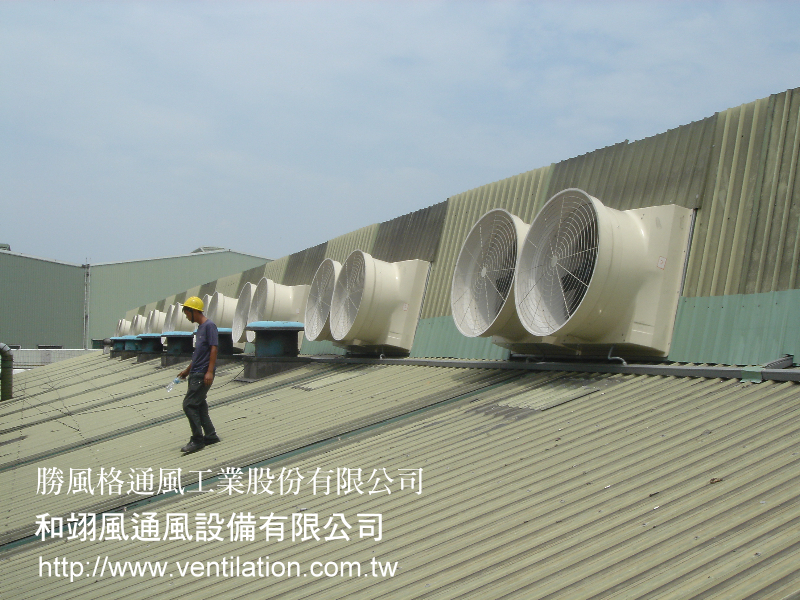 負壓通風設備的核心是大型排風扇,其選擇應根據廠房的大小、形狀、高度、污染物濃度等因素進行。排風扇的風量和壓力是影響排風效果的重要因素
勝風格通風工業股份有限公司(和翊風有限公司)
免付費電話: 0800-058-985
台中市大雅區港尾路2-11號
負壓通風是一種常見的工業通風方式,其設備主要由大型排風扇、管道、閥門等組成。它的作用是通過建立室內與室外之間的氣流差異,將室內的污濁空氣、煙霧、異味等有害物質迅速排放到室外,同時引入新鮮空氣,保持室內空氣清新。負壓通風工程廣泛應用於各種廠房、工廠、車間、倉庫、實驗室等場所,可以有效提高室內環境品質和工作效率。
負壓通風設備的核心是大型排風扇,其選擇應根據廠房的大小、形狀、高度、污染物濃度等因素進行。排風扇的風量和壓力是影響排風效果的重要因素,一般應根據實際需求進行計算和設計。排風扇的材質也很重要,一般選擇耐腐蝕、耐磨損、高強度的材料,以確保長期穩定運行。
負壓通風的工程設計需要充分考慮廠房的特點,例如廠房的大小、形狀、高度、開口面積、周邊環境等,以確定排風扇的數量、位置和排風管道的走向、口徑等。同時,需要注意避免負壓過大導致建築物變形或漏風,以及避免負壓不足導致室內空氣污染。
負壓通風工程的設計和施工需要專業技術和豐富經驗,需要經過多次實驗和調整,以確保最佳的排風效果和室內環境品質。此外,需要進行定期維護和保養,包括清潔排風扇、更換濾網等,以確保設備長期穩定運行。
總之,負壓通風是一種非常重要的工業通風方式,可以有效改善室內空氣品質,保障工人的健康和安全。
負壓通風的原理與應用
一、負壓通風的基本概念
負壓通風是一種常見的工業與商業通風方式,主要利用負壓風機將室內的熱氣、粉塵、廢氣等快速抽出,形成內部氣壓低於外部的狀態,促使外部新鮮空氣自然流入,達到空氣流通與降溫的效果。這種通風方式特別適用於高溫、悶熱、有害氣體或粉塵較多的環境,如工廠、倉庫、養殖場、溫室等。
二、負壓通風的工作原理
負壓通風系統的核心設備是負壓風機,其運作方式如下:
風機抽風:負壓風機安裝於建築物的一側或屋頂,當風機運轉時,將室內的空氣迅速排出。
形成負壓:由於室內空氣被大量排出,內部壓力降低,相較於外部形成負壓環境。
新風補充:由於壓力差的作用,外界的新鮮空氣會自動從門窗、進氣口或專門設計的進風口流入,形成穩定的空氣對流。
循環換氣:持續運行下,室內空氣能夠保持流通,廢氣、熱氣、異味等會迅速排出,確保環境清新。
三、負壓通風的優勢
高效換氣
相較於一般的排風系統,負壓通風能夠迅速排出廢氣與污染物,換氣效率高,特別適用於需要長時間保持空氣流通的環境。
顯著降溫
在高溫環境中,如金屬加工廠、塑膠製品廠等,負壓風機能夠快速帶走熱空氣,使室內溫度降低5-10°C,有效減輕悶熱問題。
降低能耗
負壓風機的運作能耗低,相較於中央空調系統,其耗電量可減少50%以上,具有較高的節能效益。
改善空氣品質
廢氣、粉塵、有害氣體能夠被迅速排出,減少對員工健康的影響,提升工作環境的舒適度,降低職業病的發生率。
安裝簡單、維護方便
負壓通風系統的設備較為簡單,安裝方便,且維護成本較低,適合大面積廠房與開放空間使用。
四、負壓通風的應用場景
工業廠房
適用於金屬加工、塑膠製造、紡織、電子、食品加工等產業,可有效排除廢氣與高溫,提升生產效率。
特別適用於粉塵較多的工廠,如木工廠、造紙廠等,可搭配除塵設備,減少粉塵堆積。
畜牧養殖場
養殖場內的動物產生大量氨氣與異味,若不及時排出,會影響動物健康與生長。
負壓通風能快速帶走濕氣與異味,保持空氣清新,減少疾病發生。
溫室大棚
在農業大棚內,負壓通風可調節溫度與濕度,防止植物因悶熱或過高濕度而生病,提高作物產量與品質。
倉庫與物流中心
倉儲環境通常面積大、空氣不易流通,負壓風機能夠保持倉庫內的空氣新鮮,減少霉變與異味問題。
商業與公共場所
大型展覽館、體育館、購物中心等場所,利用負壓通風可以提升空氣流通效率,減少空調負荷,降低能耗。
五、負壓通風的設計與安裝
確定通風需求
根據廠房或空間的面積、高度、人員數量、熱源等因素,計算所需的通風量,以確保足夠的換氣效果。
選擇合適的負壓風機
常見的負壓風機類型包括離心式風機、軸流式風機等。
風機的選擇應考慮風量、風壓、能耗等因素,確保運行穩定。
進風口設計
進風口應設置在空氣流通良好的位置,如窗戶、門口或專門的進氣口,避免死角與短路氣流。
確保空氣流動路徑
風機應安裝在建築的上風側,確保排氣方向與氣流相符,以達到最佳通風效果。
維護與管理
定期清潔風機葉片與過濾網,防止灰塵與污垢影響風機效能。
檢查風機運轉狀況,確保其正常運作,避免異常振動或噪音。
六、負壓通風的潛在問題與解決方案
氣流短路
若進風口與出風口距離過近,可能導致氣流短路,降低通風效果。應合理規劃風機與進氣口的位置,確保空氣能夠充分流動。
噪音問題
部分負壓風機可能產生較大噪音,可選擇低噪音設計的風機,或在風機外部加裝降噪設備。
冬季寒冷問題
在寒冷季節,負壓通風可能導致室內溫度過低,影響作業環境。可採取部分封閉進風口或加裝保溫設備的方式來調節溫度。
七、結論
負壓通風是一種高效、節能、環保的通風方式,適用於各種工業、商業與農業環境。透過合理設計與適當安裝,負壓通風能夠有效改善空氣品質、降低室內溫度、減少污染物積聚,為員工與生產環境提供更健康舒適的條件。隨著節能與環保意識的提升,負壓通風技術將持續發展,成為各類場域空氣管理的重要解決方案。
Negative pressure ventilation is a common industrial ventilation method. Its equipment mainly consists of large exhaust fans, ducts, and valves. Its function is to create an airflow difference between indoor and outdoor environments, rapidly expelling polluted air, smoke, odors, and other harmful substances from the indoor environment to the outdoors, while simultaneously introducing fresh air to maintain indoor air quality. Negative pressure ventilation systems are widely used in various factories, workshops, warehouses, laboratories, and other places, effectively improving indoor environmental quality and work efficiency.
The core of negative pressure ventilation equipment is the large exhaust fan, the selection of which should be based on factors such as the size, shape, height, and pollutant concentration of the factory building. The airflow and pressure of the exhaust fan are important factors affecting the ventilation effect and should generally be calculated and designed according to actual needs. The material of the exhaust fan is also important; generally, corrosion-resistant, wear-resistant, and high-strength materials are selected to ensure long-term stable operation.
The engineering design of negative pressure ventilation requires full consideration of the characteristics of the factory building, such as its size, shape, height, opening area, and surrounding environment, to determine the number and location of exhaust fans and the routing and diameter of the exhaust ducts. Meanwhile, it's crucial to avoid excessive negative pressure leading to building deformation or air leakage, and insufficient negative pressure causing indoor air pollution.
The design and construction of negative pressure ventilation systems require professional skills and extensive experience, necessitating multiple experiments and adjustments to ensure optimal exhaust performance and indoor environmental quality. Furthermore, regular maintenance and upkeep are essential, including cleaning exhaust fans and replacing filters, to ensure long-term stable operation.
In short, negative pressure ventilation is a vital industrial ventilation method that effectively improves indoor air quality and protects worker health and safety.
Principles and Applications of Negative Pressure Ventilation
I. Basic Concepts of Negative Pressure Ventilation
Negative pressure ventilation is a common industrial and commercial ventilation method. It primarily utilizes negative pressure fans to rapidly extract hot air, dust, and exhaust gases from the interior, creating a lower internal air pressure than the external pressure. This allows fresh air to flow in naturally, achieving air circulation and cooling. This ventilation method is particularly suitable for environments with high temperatures, stuffiness, or high levels of harmful gases or dust, such as factories, warehouses, farms, and greenhouses.
II. Working Principle of Negative Pressure Ventilation
The core equipment of a negative pressure ventilation system is the negative pressure fan, which operates as follows:
Fan Exhaust: The negative pressure fan is installed on one side of the building or on the roof. When the fan operates, it rapidly exhausts indoor air.
Negative Pressure Formation: Due to the large amount of indoor air being exhausted, the internal pressure decreases, creating a negative pressure environment relative to the outside.
Fresh Air Supply: Due to the pressure difference, fresh outside air automatically flows in through doors, windows, air inlets, or specially designed air inlets, forming stable air convection.
Circulation and Air Exchange: Under continuous operation, indoor air remains circulating, and exhaust gases, heat, and odors are quickly exhausted, ensuring a fresh environment.
III. Advantages of Negative Pressure Ventilation
Highly Efficient Ventilation
Compared to general exhaust systems, negative pressure ventilation can quickly exhaust exhaust gases and pollutants, with high ventilation efficiency, making it particularly suitable for environments requiring long-term air circulation.
Significant Cooling
In high-temperature environments, such as metal processing plants and plastic product factories, negative pressure fans can quickly remove hot air, lowering the indoor temperature by 5-10°C and effectively alleviating stuffiness.
Reduced Energy Consumption
Negative pressure fans have low operating energy consumption; compared to central air conditioning systems, their power consumption can be reduced by more than 50%, resulting in significant energy savings.
Improved Air Quality
Exhaust gases, dust, and harmful gases can be quickly expelled, reducing the impact on employee health, improving the comfort of the working environment, and lowering the incidence of occupational diseases.
Simple Installation and Easy Maintenance
Negative pressure ventilation systems are relatively simple to install and have low maintenance costs, making them suitable for large-area factories and open spaces.
IV. Application Scenarios of Negative Pressure Ventilation
Industrial Plants
Suitable for industries such as metal processing, plastic manufacturing, textiles, electronics, and food processing. It can effectively remove exhaust gases and high temperatures, improving production efficiency.
Especially suitable for factories with high dust levels, such as wood processing plants and paper mills. It can be used in conjunction with dust removal equipment to reduce dust accumulation. Livestock Farms
Animal farms produce large amounts of ammonia and odors. If these are not removed promptly, they can negatively impact animal health and growth.
Negative pressure ventilation quickly removes moisture and odors, keeping the air fresh and reducing disease incidence.
Greenhouses
In agricultural greenhouses, negative pressure ventilation regulates temperature and humidity, preventing plants from becoming diseased due to excessive heat or humidity, thus improving crop yield and quality.
Warehouses and Logistics Centers
Warehouse environments are typically large and poorly ventilated. Negative pressure fans maintain fresh air within the warehouse, reducing mold and odor problems.
Commercial and Public Places
Large exhibition halls, stadiums, shopping malls, and similar venues utilize negative pressure ventilation to improve air circulation efficiency, reduce air conditioning load, and lower energy consumption.
V. Design and Installation of Negative Pressure Ventilation
Determining Ventilation Needs
Based on factors such as the area, height, number of personnel, and heat sources of the factory or space, calculate the required ventilation volume to ensure sufficient air exchange.
Choosing the Right Negative Pressure Fan
Common types of negative pressure fans include centrifugal fans and axial fans.
Fan selection should consider factors such as air volume, air pressure, and energy consumption to ensure stable operation.
Air Inlet Design
Air inlets should be placed in locations with good airflow, such as windows, doorways, or dedicated air inlets, avoiding dead zones and short-circuit airflow.
Ensuring Airflow Path
The fan should be installed on the windward side of the building to ensure the exhaust direction matches the airflow for optimal ventilation.
Maintenance and Management
Regularly clean the fan blades and filters to prevent dust and dirt from affecting fan efficiency.
Check the fan's operation to ensure normal functioning and avoid abnormal vibration or noise.
VI. Potential Problems and Solutions for Negative Pressure Ventilation
Airflow Short-Circuit
If the air inlet and outlet are too close, it may cause airflow short-circuiting, reducing ventilation efficiency. The location of the fan and air inlet should be planned reasonably to ensure sufficient airflow.
Noise Issues
Some negative pressure fans may generate significant noise. Low-noise fans can be selected, or noise reduction equipment can be installed externally.
Winter Cold Issues
In cold seasons, negative pressure ventilation may lead to excessively low indoor temperatures, affecting the working environment. Temperature can be regulated by partially sealing the air inlets or installing insulation equipment.
VII. Conclusion
Negative pressure ventilation is a highly efficient, energy-saving, and environmentally friendly ventilation method suitable for various industrial, commercial, and agricultural environments. Through proper design and installation, negative pressure ventilation can effectively improve air quality, reduce indoor temperature, and decrease pollutant accumulation, providing healthier and more comfortable conditions for employees and the production environment. With increasing awareness of energy conservation and environmental protection, negative pressure ventilation technology will continue to develop and become an important solution for air management in various settings.