抽風扇,工廠抽風扇,廠房抽風扇,負壓抽風扇,整廠抽風扇
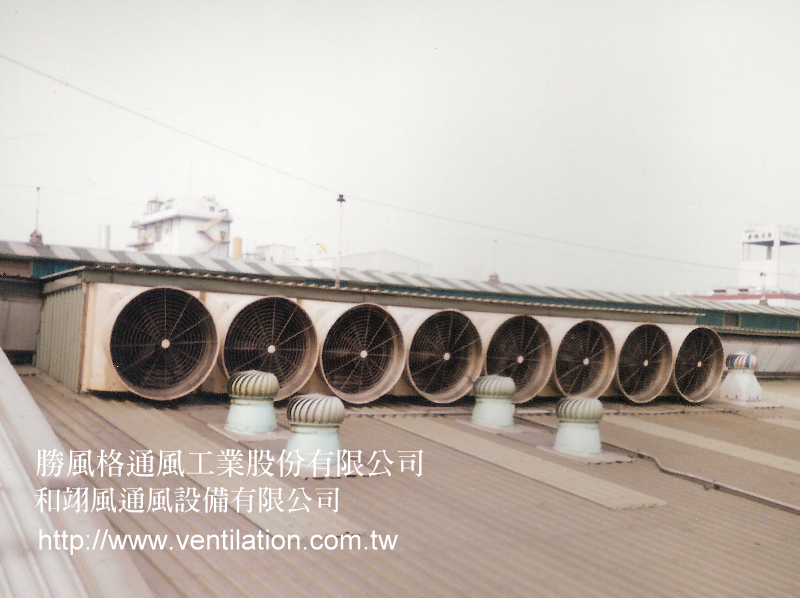 抽風扇是一種廣泛使用的空氣處理設抽風扇是一種廣泛使用的空氣處理設備,可將室內的污濁空氣排出,並引入新鮮空氣。在工廠和廠房等工業應用中,抽風扇通常用於排放排放廢氣、熱量和潮濕空氣,以保持室內空氣的質量和溫度。
工廠抽風扇的特點之一是它們具有很高的風量和風壓,能夠快速排出大量的空氣。它們通常安裝在屋頂或牆壁上,與整個廠房的空氣系統相連接,形成一個負壓系統。這種負壓系統可以防止空氣中的污染物質向外擴散,從而保持室內空氣的質量。
整廠抽風扇也可以用來降溫。在夏季高溫環境下,室內的溫度可能會快速升高,導致工作人員的不適和生產效率下降。通過安裝整廠抽風扇,可以將室內的熱空氣排出,同時引入新鮮的、涼爽的空氣,有效地降低室內溫度,提高工作人員的舒適度和工作效率。
另外,廠房抽風扇也可以幫助減少室內潮濕度。在潮濕的環境下,空氣中的水蒸氣會聚集在物體表面上,形成潮濕。這種潮濕可能會導致設備的損壞和產品的品質下降。通過安裝廠房抽風扇,可以將潮濕空氣排出室外,同時引入乾燥的空氣,降低室內潮濕度,保護設備和產品的品質。
總之,抽風扇是一種非常重要的工業設備,可以保護室內空氣質量、降溫和減少潮濕度,從而提高工作環境的舒適度和工作效率。
勝風格通風工業股份有限公司(和翊風有限公司)
免付費電話: 0800-058-985
台中市大雅區港尾路2-11號
抽風扇的功能與應用
一、抽風扇的基本概念
抽風扇是一種常見的通風設備,主要用於排除室內的污濁空氣、異味、濕氣及熱氣,使空氣流通,保持環境舒適。抽風扇廣泛應用於住宅、商業空間、工廠、倉庫及廚房等場合,能有效改善空氣品質,降低溫度,並減少霉菌和有害氣體的積聚。隨著技術的進步,現代抽風扇已發展出多種型號,適用於不同環境需求。
二、抽風扇的主要功能
改善空氣品質
抽風扇能夠將室內的污濁空氣迅速排出,並引入新鮮空氣,減少空氣中的塵埃、異味及有害氣體,如廚房油煙、工業廢氣等。
降溫與通風
在高溫環境中,如工廠、廚房及倉庫,抽風扇能排出熱空氣,使室內保持涼爽,有助於提升員工的工作效率與舒適度。
降低濕度,防止霉變
在潮濕的環境中,如浴室、地下室或食品加工廠,抽風扇能排出多餘的濕氣,防止霉菌與細菌滋生,保護牆面及設備不受潮損害。
減少有害氣體積聚
在化學工廠、實驗室及汽車修理廠等場所,抽風扇能迅速排出揮發性氣體,如甲醛、一氧化碳等,確保工作環境的安全。
提升能源效率
透過有效的空氣流通,抽風扇可以減少冷氣系統的負擔,在夏季降低空調能耗,達到節能效果。
三、抽風扇的類型
根據不同的應用需求,抽風扇可分為以下幾種類型:
壁掛式抽風扇
安裝於牆壁上,適合家庭、辦公室、廚房、浴室等小型空間。
操作簡單,適合長時間運行。
窗式抽風扇
安裝於窗戶上,適用於住宅及小型商業場所。
直接將室內空氣排至戶外,無需額外的風管。
管道式抽風扇
適用於大面積場所,如工廠、商場、地下停車場等。
透過管道將空氣引導至特定區域排出。
工業用抽風扇
風量大,適合高溫、高濕及有害氣體較多的工廠或倉庫。
通常配合負壓風機使用,以提高排風效率。
離心式抽風扇
適用於對空氣壓力要求較高的環境,如實驗室、醫院手術室、電子工廠等。
可搭配空氣過濾設備,確保空氣品質。
四、如何選擇合適的抽風扇
考量使用空間的大小
住宅用抽風扇通常選擇小型機種,而工業用則需要大風量、高效能的設備。
確定風量需求
風量(以 CFM 或 CMH 計算)是選擇抽風扇的重要指標,應根據室內空間的大小及通風需求來決定。
確認安裝方式
牆壁式、窗戶式、吊頂式或管道式等不同安裝方式,需根據現場條件選擇合適的型號。
噪音控制
家庭及辦公室環境應選擇低噪音型抽風扇,以免影響舒適度。
工廠環境則可優先考慮風量與效率,適當取捨噪音問題。
節能與智能控制
部分抽風扇具備變頻技術,可根據環境需求自動調整風速,降低能耗。
智能感應型抽風扇可依據溫度、濕度或空氣品質自動運行,提高使用便利性。
五、抽風扇的安裝與維護
安裝時的注意事項
確保良好的進風與排風路徑:避免排風口被障礙物阻擋,影響通風效果。
正確固定風扇:安裝時應確保風扇穩固,以防止運轉時產生震動或噪音。
避免回風現象:排風口應朝向室外,避免室內空氣迴流,影響通風效果。
維護與清潔
定期清理風扇葉片:灰塵與油污會影響風扇效率,應定期清潔。
檢查電機運作狀態:風扇長時間使用後,電機可能會產生異常噪音或過熱,應及時維護或更換。
檢查風管是否堵塞(適用於管道式抽風扇):確保排風管道暢通,以保持良好通風效果。
六、抽風扇的未來發展趨勢
隨著科技的進步,抽風扇正朝著更高效、智能與環保的方向發展:
節能技術
採用變頻技術,提高能效,減少電力消耗。
太陽能供電抽風扇,降低對傳統電力的依賴,提升環保效益。
智能控制
搭載空氣品質感測器,自動調整風速,提高運行效率。
遠端控制與定時功能,方便用戶管理設備。
低噪音設計
透過改進葉片設計與靜音技術,降低運轉噪音,提升使用舒適度。
七、結論
抽風扇在現代生活與工業生產中扮演著重要角色,能有效改善空氣品質、降低溫度、排除濕氣與異味,為人們提供更健康的生活與工作環境。選擇適合的抽風扇,搭配合理的安裝與維護方式,不僅能提升使用效果,還能降低能耗,實現節能環保的目標。隨著技術的不斷進步,未來抽風扇將更加智能化與高效化,滿足不同環境的需求。
Exhaust fans are widely used air handling devices that expel stale indoor air and introduce fresh air. In industrial applications such as factories and workshops, exhaust fans are typically used to exhaust waste gases, heat, and humid air to maintain indoor air quality and temperature.
One characteristic of factory exhaust fans is their high airflow and pressure, enabling them to quickly expel large volumes of air. They are usually installed on roofs or walls and connected to the overall factory air system, forming a negative pressure system. This negative pressure system prevents pollutants in the air from spreading outwards, thus maintaining indoor air quality.
Whole-plant exhaust fans can also be used for cooling. In hot summer environments, indoor temperatures can rise rapidly, leading to worker discomfort and decreased productivity. By installing whole-plant exhaust fans, hot indoor air can be expelled while fresh, cool air is introduced, effectively lowering the indoor temperature and improving worker comfort and work efficiency.
Additionally, factory exhaust fans can help reduce indoor humidity. In humid environments, water vapor in the air accumulates on surfaces, forming dampness. This dampness can cause equipment damage and deterioration of product quality. Installing exhaust fans in a factory allows humid air to be expelled outdoors while introducing dry air, reducing indoor humidity and protecting equipment and product quality.
In short, exhaust fans are a crucial piece of industrial equipment that protects indoor air quality, cools the air, and reduces humidity, thereby improving work comfort and efficiency.
Shengfeng Ventilation Industrial Co., Ltd. (Heyifeng Co., Ltd.)
Toll-free number: 0800-058-985
No. 2-11, Gangwei Rd., Daya Dist., Taichung City
Functions and Applications of Exhaust Fans
I. Basic Concepts of Exhaust Fans
Exhaust fans are common ventilation devices primarily used to remove stale air, odors, moisture, and heat from indoor spaces, promoting air circulation and maintaining a comfortable environment. They are widely used in residences, commercial spaces, factories, warehouses, and kitchens, effectively improving air quality, lowering temperatures, and reducing the accumulation of mold and harmful gases. With technological advancements, modern exhaust fans have evolved into various models to suit different environmental needs.
II. Main Functions of Exhaust Fans
Improving Air Quality
Exhaust fans quickly expel stale air from indoor spaces and introduce fresh air, reducing dust, odors, and harmful gases such as kitchen fumes and industrial exhaust.
Cooling and Ventilation
In high-temperature environments, such as factories, kitchens, and warehouses, exhaust fans expel hot air, keeping the room cool and helping to improve employee work efficiency and comfort.
Reducing Humidity and Preventing Mold Growth
In humid environments, such as bathrooms, basements, or food processing plants, exhaust fans remove excess moisture, preventing the growth of mold and bacteria and protecting walls and equipment from moisture damage.
Reducing the Accumulation of Harmful Gases
In chemical plants, laboratories, and auto repair shops, exhaust fans quickly remove volatile gases such as formaldehyde and carbon monoxide, ensuring a safe working environment.
Improving Energy Efficiency
Through effective air circulation, exhaust fans reduce the burden on air conditioning systems, lowering energy consumption in summer and achieving energy savings.
III. Types of Exhaust Fans
Based on different application needs, exhaust fans can be divided into the following types:
Wall-mounted Exhaust Fans
Installed on a wall, suitable for small spaces such as homes, offices, kitchens, and bathrooms.
Simple operation, suitable for long-term operation.
Window Exhaust Fans
Installed on windows, suitable for residential and small commercial spaces.
Directly exhausts indoor air to the outside, requiring no additional ductwork.
Ducted Exhaust Fans
Suitable for large areas, such as factories, shopping malls, and underground parking lots.
Guides air to a specific area for exhaust through ducts.
Industrial Exhaust Fans
Large airflow, suitable for factories or warehouses with high temperatures, high humidity, and high levels of harmful gases.
Usually used in conjunction with negative pressure fans to improve exhaust efficiency.
Centrifugal Exhaust Fans
Suitable for environments with high air pressure requirements, such as laboratories, hospital operating rooms, and electronics factories.
Can be used with air filtration equipment to ensure air quality.
IV. How to Choose the Right Exhaust Fan
Consider the Size of the Space
Residential exhaust fans are typically small models, while industrial exhaust fans require high-volume, high-efficiency equipment.
Determine Airflow Requirements
Airflow (measured in CFM or CMH) is a crucial indicator when choosing an exhaust fan and should be determined based on the size of the room and ventilation needs.
Confirm Installation Method
Different installation methods, such as wall-mounted, window-mounted, ceiling-mounted, or ducted, require selecting the appropriate model based on site conditions.
Noise Control
Low-noise exhaust fans should be chosen for home and office environments to avoid affecting comfort.
In factory environments, airflow and efficiency should be prioritized, with some compromise on noise levels.
Energy Saving and Intelligent Control
Some exhaust fans feature inverter technology, which automatically adjusts the fan speed according to environmental needs, reducing energy consumption.
Intelligent sensor-operated exhaust fans can operate automatically based on temperature, humidity, or air quality, improving ease of use.
V. Installation and Maintenance of Exhaust Fans
Installation Precautions
Ensure good air intake and exhaust paths: Avoid obstructing the exhaust vent, which will affect ventilation.
Properly secure the fan: Ensure the fan is stable during installation to prevent vibration or noise during operation.
Avoid backflow: The exhaust vent should face outdoors to prevent indoor air from flowing back and affecting ventilation.
Maintenance and Cleaning
Regularly clean the fan blades: Dust and oil will affect fan efficiency; clean them regularly.
Check the motor's operating status: After prolonged use, the motor may produce abnormal noise or overheat; maintain or replace it promptly.
Check for duct blockage (applicable to ducted exhaust fans): Ensure the exhaust duct is unobstructed to maintain good ventilation.
VI. Future Development Trends of Exhaust Fans
With technological advancements, exhaust fans are developing towards greater efficiency, intelligence, and environmental friendliness:
Energy-saving technologies
Utilizing inverter technology improves energy efficiency and reduces power consumption.
Solar-powered exhaust fans reduce reliance on traditional electricity and enhance environmental benefits.
Intelligent Control
Equipped with an air quality sensor, it automatically adjusts the fan speed to improve operating efficiency.
Remote control and timer functions facilitate user management.
Low Noise Design
Through improved blade design and silent technology, operating noise is reduced, enhancing user comfort.
VII. Conclusion
Exhaust fans play a vital role in modern life and industrial production, effectively improving air quality, lowering temperature, removing moisture and odors, and providing a healthier living and working environment. Choosing a suitable exhaust fan, along with proper installation and maintenance, can not only improve performance but also reduce energy consumption, achieving energy conservation and environmental protection goals. With continuous technological advancements, future exhaust fans will become more intelligent and efficient, meeting the needs of different environments.