廠房通風,廠房通風設備,廠房通風工程
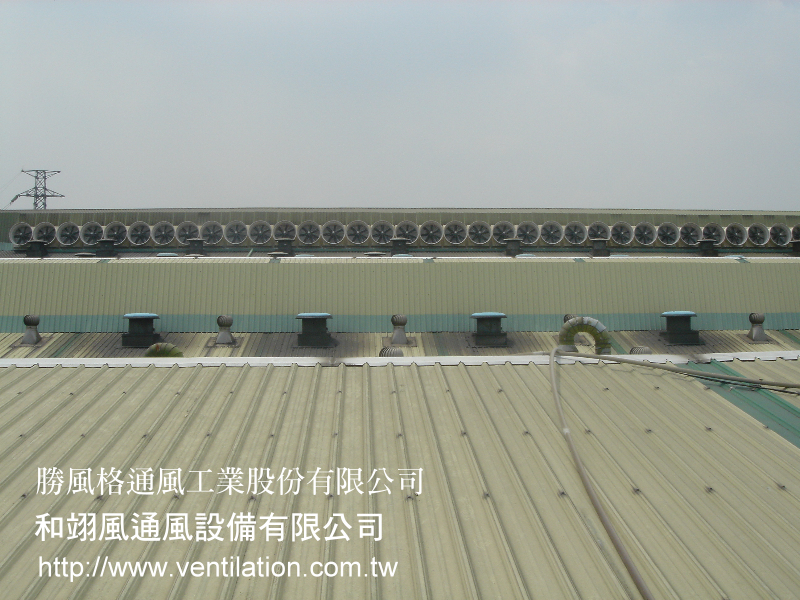 廠房通風設備通常是由一個或多個大型排風扇組成的系統
勝風格通風工業股份有限公司(和翊風有限公司)
免付費電話: 0800-058-985
台中市大雅區港尾路2-11號
在現代工廠中,通風系統扮演著非常重要的角色。通風系統可以為廠房提供充足的空氣流通,以保持員工的健康和安全。而其中一個重要的組成部分就是大型排風扇。
廠房通風設備通常是由一個或多個大型排風扇組成的系統。這些排風扇可以在廠房內部建立氣流,將懸浮在空氣中的灰塵、煙霧、有害氣體和其他污染物排出廠房,以保持廠房的清潔和健康。此外,這些扇子還可以將熱空氣排出室外,從而降低室內溫度,提高員工的工作效率和舒適度。
廠房通風工程需要考慮的因素很多,例如廠房的大小、形狀、使用情況和設備的佈局。這些因素決定了通風系統的設計和排風扇的大小和位置。在進行通風系統的設計時,需要考慮到系統的效率和經濟性,以及通風系統的安裝和維護成本。
大型排風扇通常可以分為兩種類型:直徑小於1.2米的小型排風扇和直徑大於1.2米的大型排風扇。大型排風扇通常需要更大的電動機和更強大的驅動系統,以便可以產生足夠的氣流。此外,大型排風扇還需要更強的支撐和固定系統,以確保它們在長期運行中的安全和穩定性。
廠房通風設備的使用不僅可以改善室內空氣質量和員工的工作條件,還可以幫助廠房實現節能和環保。通風系統可以幫助廠房降低室內溫度,從而降低空調系統的負荷,進而減少能源消耗。同時,通風系統還可以降低廠房的污染物排放量,提高廠房的環境友好性。
廠房通風的重要性與設計原則
一、廠房通風的必要性
廠房通風是維持工作環境健康與安全的關鍵措施,能有效改善空氣品質、降低溫度、減少污染物累積,進而提升員工的舒適度與生產效率。在密閉或空氣不流通的廠房內,長時間作業可能會導致空氣中的廢氣、粉塵、化學物質累積,影響員工健康,甚至可能引發工業安全問題。因此,良好的通風系統對於工業生產來說至關重要。
二、廠房通風的主要功能
排出有害氣體與污染物
許多工廠在生產過程中會產生煙霧、粉塵、揮發性有機化合物(VOCs)等有害物質,若未及時排出,可能對員工造成呼吸道疾病,甚至引發職業病。適當的通風設計能夠快速將這些污染物排放至室外,降低健康風險。
降低廠房內部溫度
許多工業生產設備會產生大量熱能,特別是在冶煉、鑄造、塑膠加工等產業,廠房內溫度容易過高,影響員工的工作效率,甚至可能導致中暑。透過適當的通風設備,如排風扇、大型工業風扇或負壓風機,可以有效降溫,維持舒適的工作環境。
提供新鮮空氣
在密閉的廠房內,若沒有良好的空氣流通,氧氣濃度可能會降低,影響員工的專注力與工作效率。透過新風系統與自然通風設計,可以確保廠房內有足夠的新鮮空氣供應,提升員工的工作舒適度。
防止靜電與粉塵堆積
在電子工廠、紡織廠等場所,靜電與粉塵可能會影響產品品質,甚至引發火災風險。透過良好的通風系統,能有效降低粉塵堆積,減少靜電產生,確保生產環境的穩定性與安全性。
三、廠房通風的類型
自然通風
自然通風是利用風壓與溫差來促進空氣流動,如設置高低窗、屋頂通風口等方式,讓熱空氣自然排出,冷空氣進入。這種方式適合低污染、低熱量的廠房,且能夠節省能源成本。
機械通風
當自然通風無法滿足需求時,機械通風成為必要手段,包括:
排風扇與進風扇:強制空氣流動,將廢氣排出並引入新鮮空氣。
負壓風機:透過負壓作用將熱空氣與污染物抽出,適用於高溫或高污染廠房。
中央空調與新風系統:控制空氣溫度、濕度與潔淨度,特別適用於電子、製藥與食品加工等對環境要求較高的行業。
混合通風
在某些場合,會結合自然通風與機械通風,如利用排風扇輔助自然通風,或在高溫環境下搭配降溫噴霧設備,以達到最佳通風效果。
四、廠房通風設計的考量因素
廠房內部布局
通風系統的設計需考慮設備擺放、工作區域與人員流動,確保每個區域都有足夠的空氣流動,避免通風死角。
廢氣與污染物排放
需要根據生產過程產生的污染物種類,設計適當的排氣系統,如局部排氣罩、集中排風系統等,確保污染物不會在廠房內擴散。
風量與風速計算
根據廠房的規模、設備數量與污染源,計算所需的通風量與風速,確保能夠有效排出廢氣並補充新鮮空氣。
節能與環保考量
為了降低能源消耗,應優先考慮節能型通風設備,如變頻風機、太陽能排風扇等,並搭配智能控制系統,提高通風效率。
五、廠房通風設備的選擇
排風扇:適用於一般工業廠房,可快速排除熱氣與廢氣。
負壓風機:適合高溫或粉塵較多的環境,可強力抽出廢氣。
大型工業風扇:適合高挑空間,提高空氣對流效果。
新風系統:適用於對空氣品質要求高的產業,如食品、醫藥、電子廠等。
屋頂通風器:利用熱壓差促進通風,適合無法使用機械通風的廠房。
六、廠房通風的維護與管理
良好的通風設備需要定期維護與管理,確保其正常運作:
定期清潔與檢修:風扇、管道與過濾網需定期清潔,避免積塵影響效率。
監測空氣品質:安裝空氣品質監測設備,隨時掌握溫度、濕度與污染物濃度。
員工培訓:讓員工了解通風系統的使用方式,提高環保與安全意識。
七、結論
廠房通風不僅影響員工健康,也關係到生產效率與工業安全。透過合理的通風設計與適當的設備選擇,企業可以打造更舒適、安全與節能的工作環境,提升整體生產效益。在未來,隨著環保與節能需求的提升,智慧型通風系統將成為工業廠房的重要發展趨勢。
The Importance and Design Principles of Factory Ventilation
I. The Necessity of Factory Ventilation
Factory ventilation is a key measure for maintaining a healthy and safe working environment. It effectively improves air quality, lowers temperature, reduces pollutant accumulation, and thus enhances employee comfort and productivity. In enclosed or poorly ventilated factory buildings, prolonged operation can lead to the accumulation of exhaust gases, dust, and chemicals, affecting employee health and potentially causing industrial safety issues. Therefore, a good ventilation system is crucial for industrial production.
II. Main Functions of Factory Ventilation
Removing Harmful Gases and Pollutants
Many factories generate harmful substances such as fumes, dust, and volatile organic compounds (VOCs) during production. If these are not removed in a timely manner, they can cause respiratory illnesses and even occupational diseases for employees. Appropriate ventilation design can quickly remove these pollutants to the outside, reducing health risks.
Lowering Internal Factory Temperature
Many industrial production equipment generates a large amount of heat, especially in industries such as smelting, casting, and plastics processing. The temperature inside the factory can easily become too high, affecting employee work efficiency and potentially leading to heatstroke. Appropriate ventilation equipment, such as exhaust fans, large industrial fans, or negative pressure fans, can effectively cool the environment and maintain a comfortable working environment.
Providing Fresh Air
In enclosed factory buildings, without good air circulation, oxygen concentration may decrease, affecting employee concentration and work efficiency. Fresh air systems and natural ventilation designs ensure a sufficient supply of fresh air, improving employee comfort.
Preventing Static Electricity and Dust Accumulation
In electronics factories, textile mills, and similar locations, static electricity and dust can affect product quality and even pose a fire risk. A good ventilation system effectively reduces dust accumulation and static electricity generation, ensuring a stable and safe production environment.
III. Types of Factory Ventilation
Natural Ventilation
Natural ventilation utilizes wind pressure and temperature differences to promote airflow. Methods such as installing windows at varying heights and roof vents allow hot air to escape naturally and cool air to enter. This method is suitable for low-pollution, low-heat factories and saves energy costs.
Mechanical Ventilation
When natural ventilation is insufficient, mechanical ventilation becomes essential. This includes:
Exhaust and intake fans: Force airflow to expel exhaust gases and introduce fresh air.
Negative pressure fans: Extract hot air and pollutants through negative pressure, suitable for high-temperature or high-pollution factories.
Central air conditioning and fresh air systems: Control air temperature, humidity, and cleanliness, particularly suitable for industries with high environmental requirements such as electronics, pharmaceuticals, and food processing.
Mixed Ventilation
In some cases, natural and mechanical ventilation are combined. For example, exhaust fans are used to assist natural ventilation, or cooling misting equipment is used in high-temperature environments to achieve optimal ventilation.
IV. Factors to Consider in Factory Ventilation Design
Factory Interior Layout
The design of the ventilation system must consider equipment placement, work areas, and personnel movement to ensure sufficient airflow in each area and avoid ventilation dead zones.
Exhaust Gas and Pollutant Emissions
Appropriate exhaust systems, such as local exhaust hoods and centralized exhaust systems, need to be designed based on the types of pollutants generated during the production process to ensure that pollutants do not spread within the factory.
Airflow and Velocity Calculation
Based on the factory size, number of equipment, and pollution sources, calculate the required ventilation volume and velocity to ensure effective exhaust of waste gas and replenishment of fresh air.
Energy Saving and Environmental Considerations
To reduce energy consumption, energy-efficient ventilation equipment should be prioritized, such as variable frequency fans and solar-powered exhaust fans, coupled with intelligent control systems to improve ventilation efficiency.
V. Selection of Factory Ventilation Equipment
Exhaust Fans: Suitable for general industrial plants, quickly removing hot and exhaust gases.
Negative Pressure Fans: Suitable for high-temperature or dusty environments, powerfully extracting waste gas.
Large Industrial Fans: Suitable for high-ceilinged spaces, improving air convection.
Fresh Air Systems: Suitable for industries with high air quality requirements, such as food, pharmaceutical, and electronics factories.
Roof Ventilators: Utilize thermal pressure differences to promote ventilation, suitable for factories where mechanical ventilation is not feasible.
VI. Maintenance and Management of Factory Ventilation
Good ventilation equipment requires regular maintenance and management to ensure its proper operation:
Regular Cleaning and Inspection: Fans, ducts, and filters need to be cleaned regularly to prevent dust accumulation from affecting efficiency.
Air Quality Monitoring: Install air quality monitoring equipment to monitor temperature, humidity, and pollutant concentrations at any time.
Employee Training: Ensure employees understand how to use the ventilation system, improving their environmental and safety awareness.
VII. Conclusion
Factory ventilation not only affects employee health but also relates to production efficiency and industrial safety. Through reasonable ventilation design and appropriate equipment selection, enterprises can create a more comfortable, safe, and energy-efficient working environment, improving overall production efficiency. In the future, with increasing demands for environmental protection and energy conservation, intelligent ventilation systems will become an important development trend for industrial plants.